Description
The Hispano-Suiza H6B Coupé Chauffeur was one of the most distinguished and elegant expressions of early 1920s luxury motoring, a car that embodied both technical sophistication and aristocratic refinement. Built on the magnificent H6B chassis, the Coupé Chauffeur combined Hispano-Suiza’s groundbreaking engineering with the formal elegance of custom coachwork designed for those who valued prestige and comfort above all else.
Introduced in 1919 as an evolution of the postwar Hispano-Suiza H6, the H6B was one of the most advanced automobiles of its time. It was designed by the brilliant Swiss engineer Marc Birkigt, who had previously created the company’s powerful World War I aircraft engines. Drawing on this experience, Birkigt designed a 6.6-litre inline six-cylinder engine with a single overhead camshaft and an aluminum block—both revolutionary features for the era. Producing around 135 horsepower, the engine was renowned for its smooth, turbine-like power delivery and reliability. This technical excellence made the H6B not only one of the most refined luxury cars of the 1920s but also one of the most mechanically sophisticated vehicles in the world.
The chassis of the H6B was as impressive as its engine. Hispano-Suiza pioneered servo-assisted four-wheel brakes—an invention that later influenced Rolls-Royce—and a rigid yet supple frame that provided exceptional ride comfort. The car’s engineering excellence allowed it to deliver effortless cruising at speeds exceeding 120 km/h (75 mph), remarkable for such a large and stately machine.
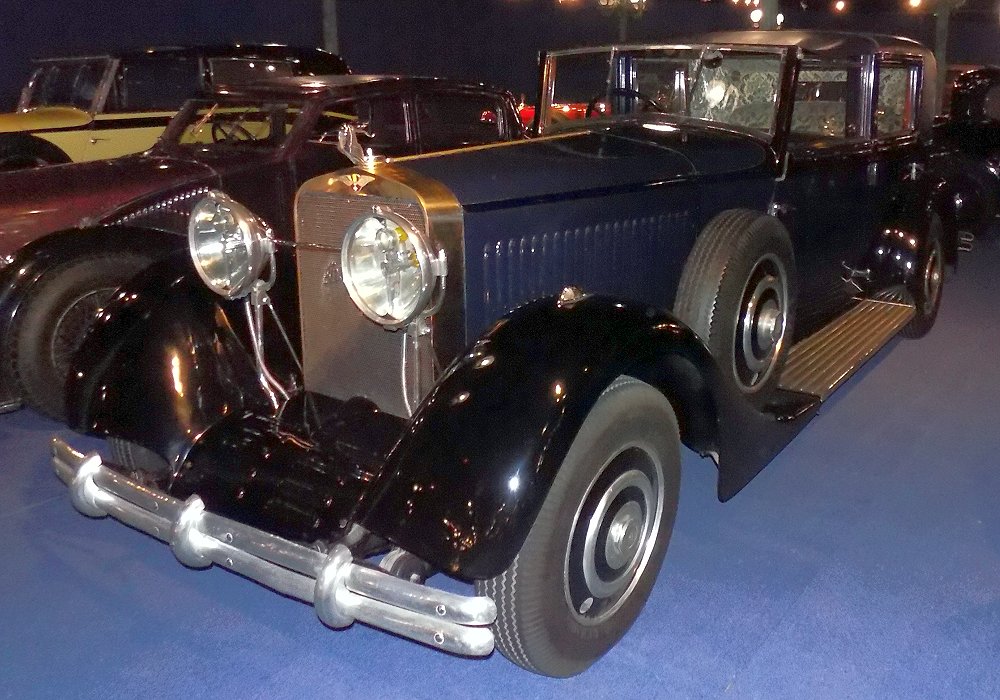
The Coupé Chauffeur body style was one of the most popular and distinguished configurations for the H6B, particularly among aristocratic and diplomatic clientele. Typically bodied by the finest European coachbuilders—such as Kellner, Saoutchik, Million-Guiet, or Vanvooren—the design followed the traditional “town car” or “limousine de ville” layout. This meant an enclosed passenger compartment at the rear for the owner, finished with luxurious materials and privacy fittings, while the driver sat in an open or partially covered front section. This arrangement emphasized the social hierarchy of the period, placing the chauffeur in view while providing the passengers with absolute comfort and discretion.
Inside the passenger compartment, craftsmanship reached the highest levels of the era. The cabin featured hand-finished wood veneers, deep wool carpeting, silk trim, and finely stitched leather upholstery. Many examples included folding occasional seats, a speaking tube to communicate with the driver, and compartments for vanity accessories or writing implements. The fit and finish were impeccable—each car tailored to the personal tastes of its owner, often taking months to complete.
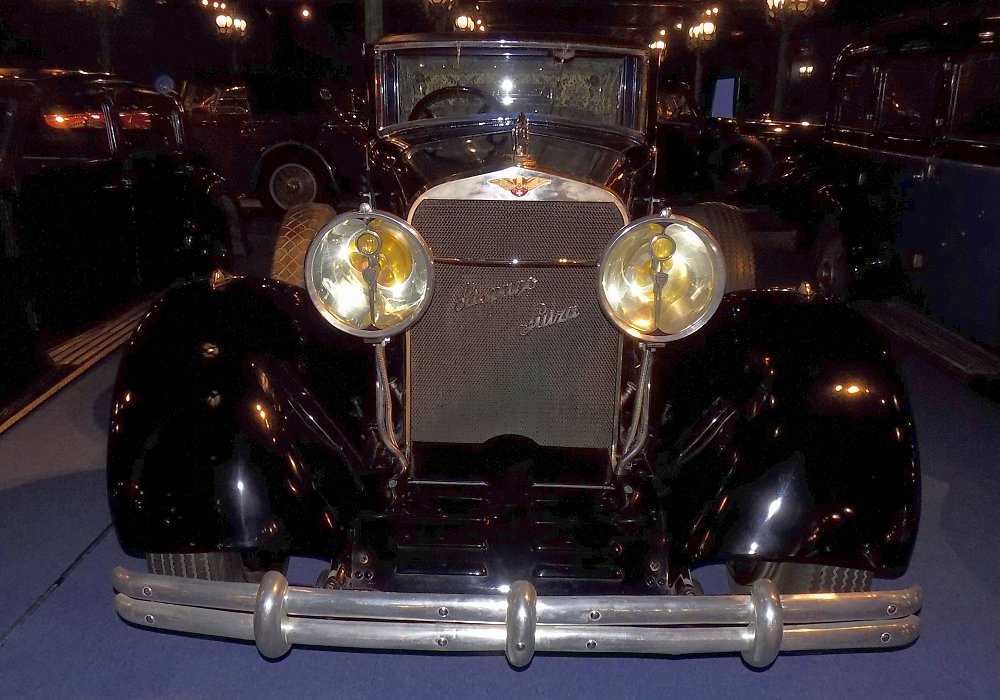
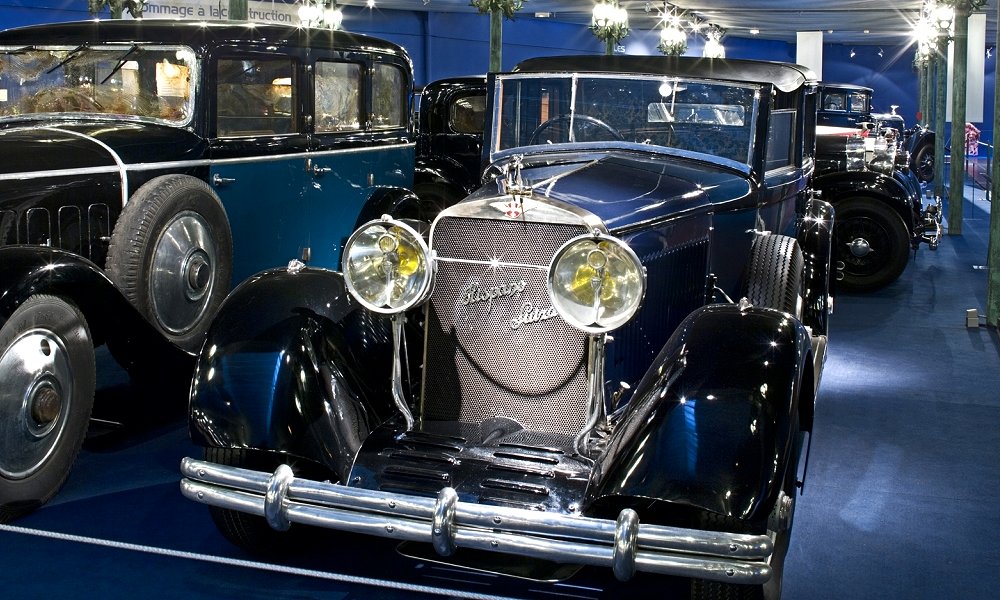
The exterior lines of the H6B Coupé Chauffeur were stately and graceful. The long bonnet and upright radiator gave the car a commanding presence, while the rear cabin was elegantly proportioned with a slightly curved roofline and large windows. The restrained use of chrome and subtle coachbuilder detailing added to the car’s dignified appearance. Despite its formality, the H6B retained an understated beauty that reflected Hispano-Suiza’s philosophy of mechanical perfection matched by aesthetic harmony.
Driving the H6B was an experience unlike any other luxury car of its time. The big six-cylinder engine delivered smooth, silent power, while the servo-assisted brakes made stopping effortless. The steering was remarkably precise, and the overall balance of the car made it surprisingly easy to handle for its size. Owners and chauffeurs alike admired its mechanical refinement and reliability—qualities that set Hispano-Suiza apart from its competitors.
The H6B Coupé Chauffeur became a favorite among European royalty, industrial magnates, and statesmen. It was not simply a means of transportation but a statement of authority and taste. Each example was a bespoke creation, reflecting the personality and prestige of its original owner.
Today, the Hispano-Suiza H6B Coupé Chauffeur stands as one of the most admired automobiles of the interwar period. It represents the height of classic-era craftsmanship and engineering—an age when cars were built not merely to perform, but to inspire. Its combination of advanced technology, artistic coachwork, and aristocratic elegance ensures its place among the greatest luxury automobiles ever made.