The Isuzu Bellett 1600 GT PR90 was one of the most significant Japanese sports coupes of the 1960s, marking Isuzu’s arrival as a fully independent and technically accomplished manufacturer. Introduced in 1964, the Bellett GT series was the first Japanese car to carry the “GT” designation, and the 1600 GT PR90 represented the high-performance evolution of that pioneering concept. Sleek, agile, and beautifully engineered, the PR90 combined Japanese precision with European-style driving dynamics and became one of the most admired compact sports coupes of its era, both at home and abroad.
The Bellett range itself had been introduced in 1963 as the successor to the earlier Hillman Minx-based models that Isuzu had built under license from the Rootes Group. Unlike those cars, the Bellett was an entirely Isuzu creation, designed and engineered from the ground up. It was a compact unibody vehicle aimed at the growing middle-class Japanese market, offering modern styling and advanced engineering in both sedan and coupe forms. The 1600 GT, launched a year later, was conceived as the performance flagship — a car that would demonstrate Isuzu’s technical confidence and compete with the best of Japan’s emerging sports cars such as the Toyota Sports 800, Nissan Fairlady, and later the Mazda Cosmo.
The designation PR90 identified the 1.6-litre GT coupe variant within the Bellett range. Beneath its sculpted bonnet lay Isuzu’s G-series inline four-cylinder engine — an overhead-valve, water-cooled unit of 1,587 cc producing around 90 horsepower in standard form and up to 100 horsepower in the higher-performance GT-R specification that would follow later. The engine featured twin side-draught carburetors, a high-compression ratio, and a free-revving character that gave the compact coupe lively and responsive performance. Power was transmitted to the rear wheels through a close-ratio four-speed manual gearbox, with an optional five-speed unit available in later years. With a kerb weight of roughly 900 kilograms, the PR90 had an excellent power-to-weight ratio and could reach a top speed of approximately 170 km/h, with brisk acceleration and sharp throttle response.
The PR90’s engineering went beyond its engine. It featured an advanced suspension layout for its time: independent double wishbones with coil springs at the front and independent swing axles at the rear, a configuration that offered both agility and comfort. This gave the Bellett GT handling characteristics that were distinctly European in feel — stable, predictable, and engaging. The steering was light but communicative, and the car’s compact dimensions made it nimble and easy to control on winding roads. Hydraulic drum brakes were fitted initially, with front discs introduced later to improve stopping power. The chassis balance was one of the Bellett’s greatest strengths, earning it praise from drivers and motoring journalists alike for its poise and responsiveness.
In terms of design, the Bellett 1600 GT PR90 was one of the most stylish cars produced in Japan during the 1960s. Its body, designed in-house by Isuzu’s styling team, displayed clean, flowing lines and proportions that rivalled the best European coupes of the day. The long bonnet, short rear deck, and fastback roofline gave it a purposeful stance, while details such as the twin circular headlamps, polished trim, and subtly flared wheel arches emphasized its sporty intent. The overall look combined elegance and athleticism, helping to establish a visual identity that set Isuzu apart from its domestic rivals.
Inside, the PR90’s cabin was designed with the driver in mind. The dashboard was functional and sporty, featuring a full complement of instruments including a large tachometer and speedometer, oil pressure and temperature gauges, and a neatly arranged row of toggle switches. The three-spoke steering wheel and short-throw gear lever reinforced the car’s performance character, while the seats offered good lateral support for spirited driving. Despite its compact size, the car’s interior was well finished, with quality materials and thoughtful ergonomics reflecting Isuzu’s ambition to match European standards.
On the road, the Bellett 1600 GT PR90 delivered an engaging and rewarding driving experience. The combination of a rev-happy engine, light weight, and balanced chassis made it a genuine driver’s car — lively in character yet composed and confidence-inspiring. It could be driven enthusiastically through corners without losing composure, and its engine note, though modestly powerful, had a mechanical clarity that enthusiasts appreciated. The ride quality was firm but not harsh, making the car equally suitable for spirited driving and daily use.
The PR90 also enjoyed considerable success in motorsport, further enhancing its reputation. Bellett GTs competed in both domestic and international events, including the Japanese Grand Prix and various touring car championships throughout Asia and Australia. Their durability, handling, and performance made them popular with privateer racers, and their achievements helped cement Isuzu’s reputation as a maker of finely engineered performance cars.
Production of the Bellett 1600 GT PR90 continued through the late 1960s, with ongoing improvements and variations, including the higher-performance 1600 GT-R introduced in 1969 for racing homologation. By the time production ended in the early 1970s, the Bellett GT line had established a lasting legacy as one of Japan’s most respected and collectible early sports coupes.
Today, the Isuzu Bellett 1600 GT PR90 holds an honored place among classic Japanese cars. It represents the moment when Japan’s carmakers moved confidently from imitation to innovation, blending domestic ingenuity with international standards of design and engineering. With its crisp styling, finely tuned chassis, and genuine driver appeal, the PR90 remains a landmark — the car that proved Isuzu could compete with the best in the world on its own terms.
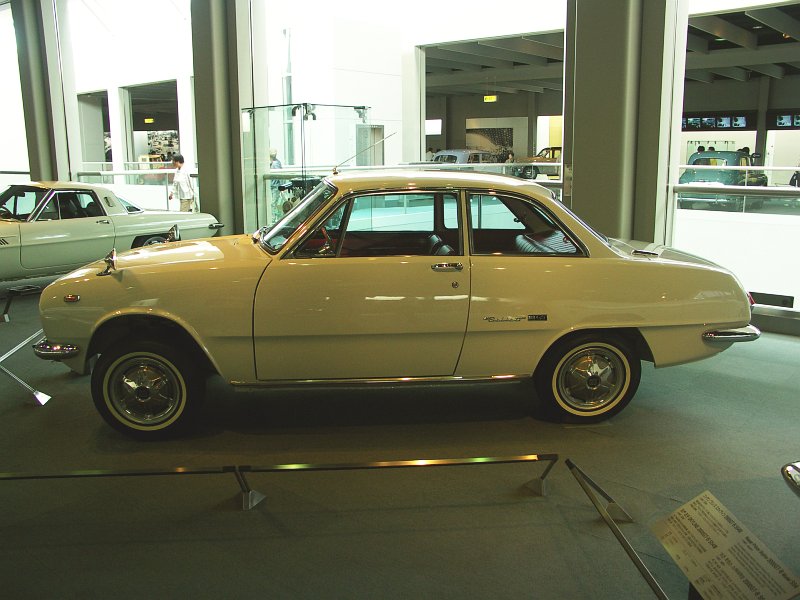
Isuzu Bellett 1600 GT PR90
| Parameter | Value | Row 2, Content 1 | Row 2, Content 1 | Isuzu |
|---|