Description
The Lincoln Continental Cabriolet was one of the most elegant and significant automobiles ever to emerge from the United States, a car that embodied the perfect union of artistry, engineering, and proportion. Introduced in 1940 alongside the Continental Coupe, the Cabriolet version represented the most glamorous expression of Edsel Ford’s vision of a refined, European-inspired luxury car for the American market. With its clean lines, low stance, and effortless V12 performance, it became an instant classic and remains one of the defining symbols of prewar American automotive design.
The story of the Continental Cabriolet began in 1938, when Edsel Ford, president of the Lincoln division, commissioned his chief designer Eugene “Bob” Gregorie to create a special, one-off automobile for his personal use during a winter holiday in Florida. Ford admired the simplicity and elegance of European grand tourers—particularly those from marques such as Delahaye, Talbot-Lago, and Hispano-Suiza—and wanted a car that combined their grace with the comfort and reliability of an American luxury automobile. Gregorie responded with a design based on the Lincoln Zephyr chassis, lowering the body, lengthening the hood, and removing unnecessary ornamentation.
The result was a sleek, streamlined car that was unlike anything else on American roads. When Edsel arrived in Palm Beach in 1939 with the prototype, it caused an immediate sensation. Its restrained beauty and long, flowing lines attracted so much attention that friends and admirers began asking where they could buy one. This overwhelming response convinced Lincoln to put the car into limited production the following year as the Lincoln Continental.
At the heart of the Continental Cabriolet was Lincoln’s smooth and refined 4.8-litre (292 cubic inch) V12 engine. This liquid-cooled powerplant produced 120 horsepower, a figure that placed it among the most advanced engines of its day. Its long-stroke design delivered strong low-end torque and a near-silent power delivery that gave the car its signature sense of effortless motion. The engine was paired with a three-speed manual transmission with optional overdrive, allowing relaxed, high-speed cruising on open highways.
The chassis, derived from the Zephyr, featured a 125-inch wheelbase and a unit-body construction that combined the frame and body into a single, rigid structure. This approach gave the Continental exceptional strength, reduced weight, and remarkable smoothness over rough roads. The suspension used independent front wishbones with a transverse leaf spring and semi-elliptic rears, while four-wheel hydraulic brakes provided reliable stopping power. The result was a car that felt poised, stable, and refined in motion—qualities that set it apart from most other American luxury cars of the era.
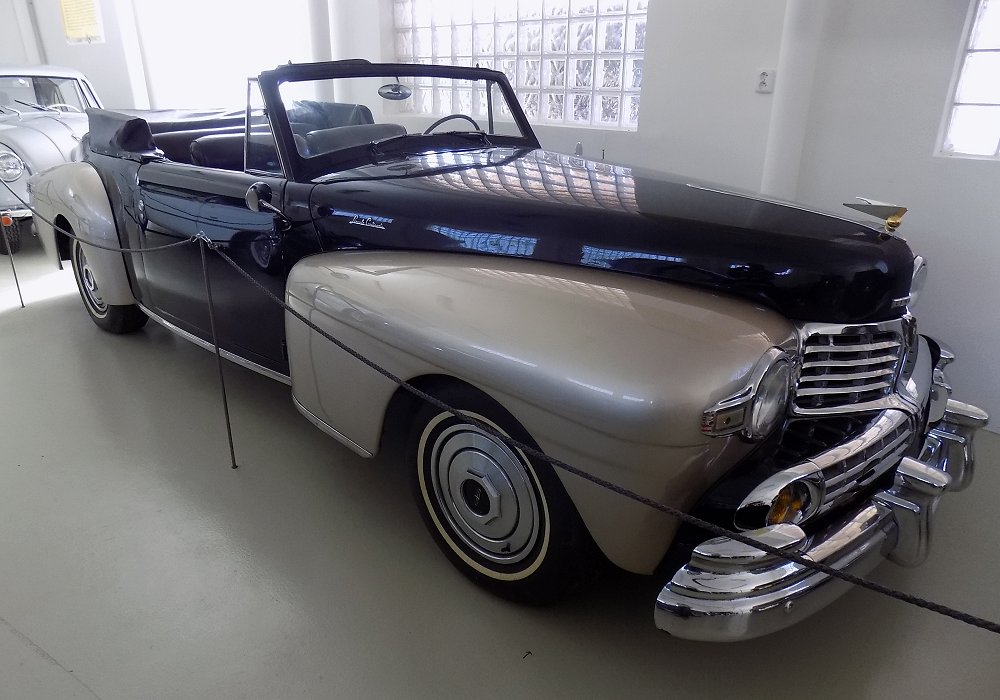
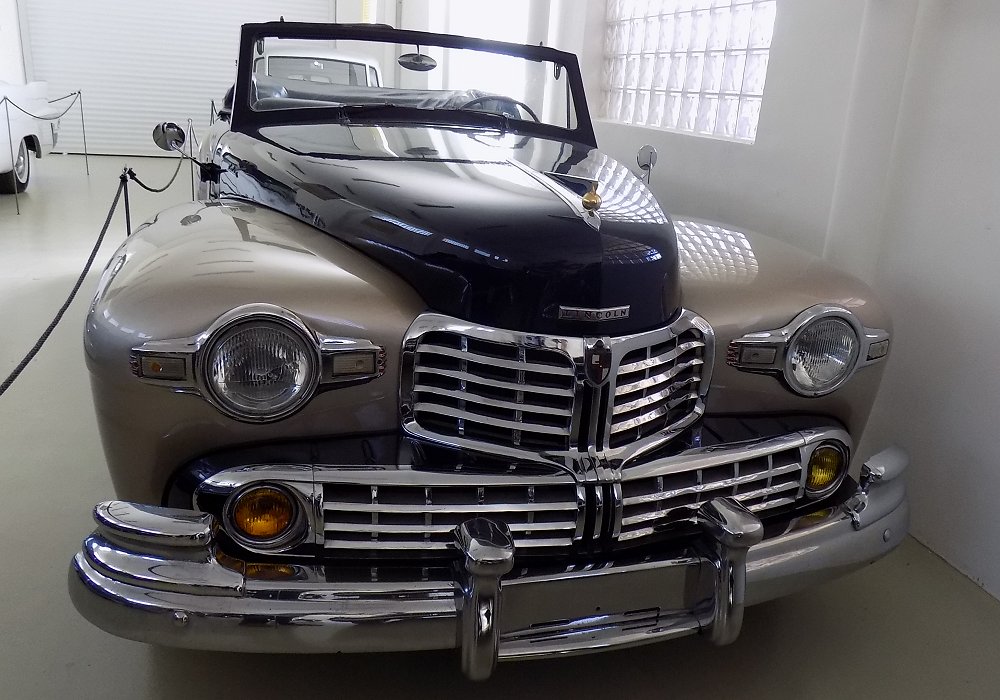
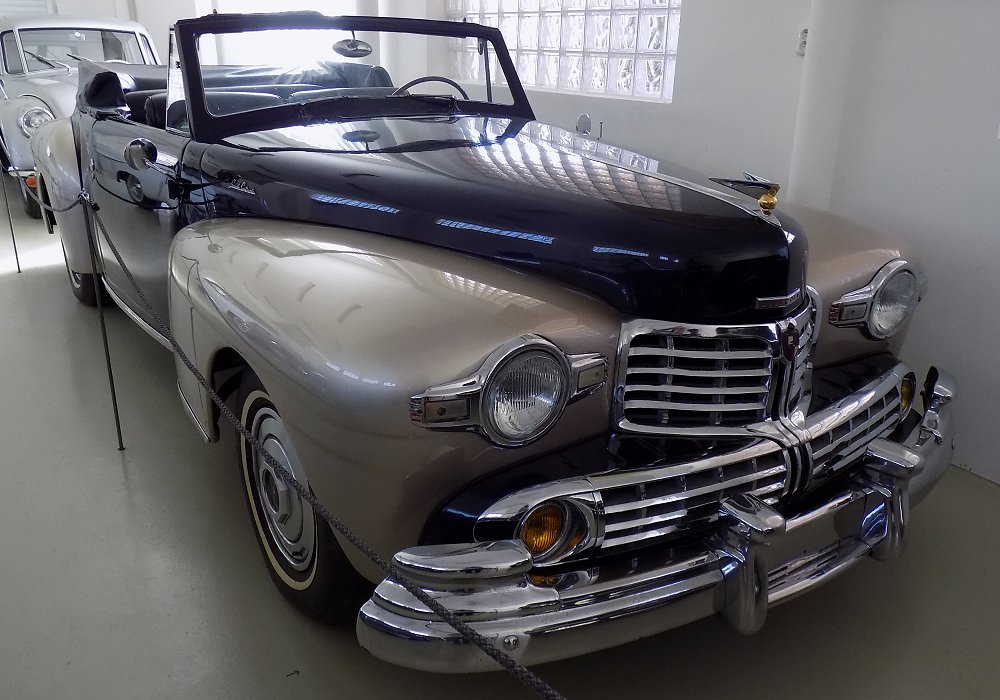
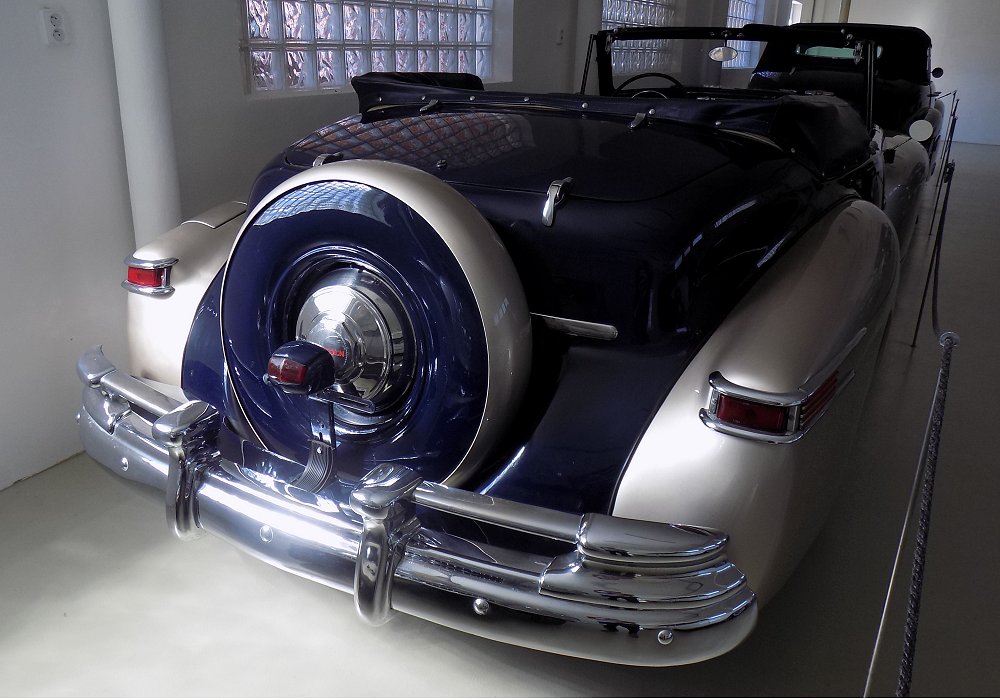
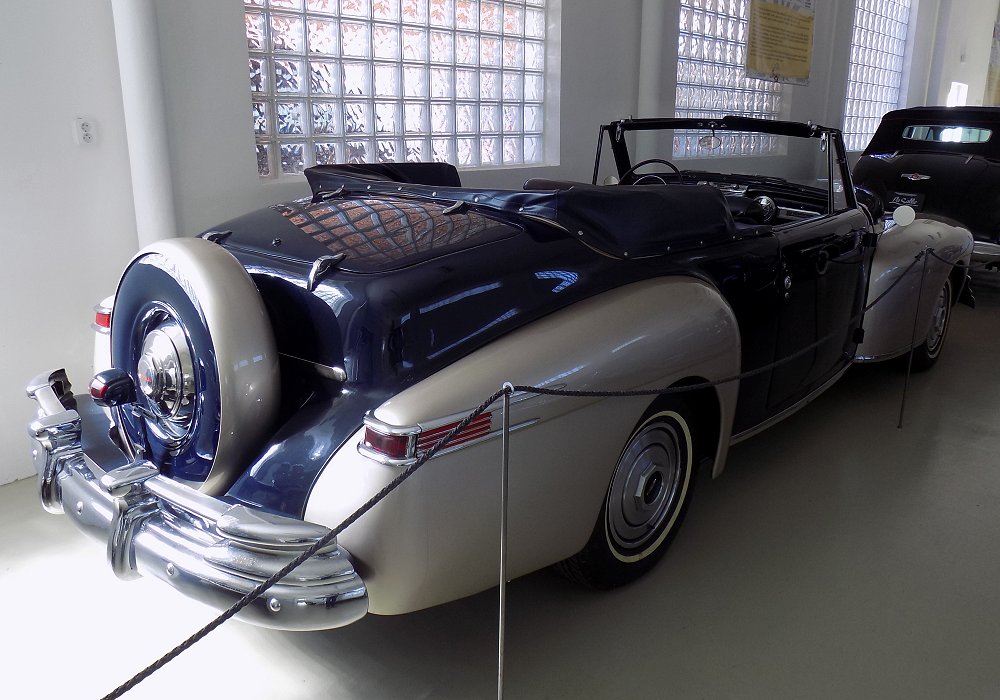
The Continental Cabriolet’s design was its most defining feature. It stood just over five feet tall, with a long, unbroken hood line, smoothly integrated fenders, and a compact rear deck. The front end featured a slim, vertically split grille flanked by recessed headlamps, while the rear was distinguished by the now-iconic externally mounted spare wheel, enclosed in a metal case—a feature that would become known as the “Continental kit.” The Cabriolet’s proportions were nearly perfect, its lines flowing without interruption from nose to tail. When the folding roof was lowered, it revealed a beautifully balanced open profile that exuded sophistication and restraint.
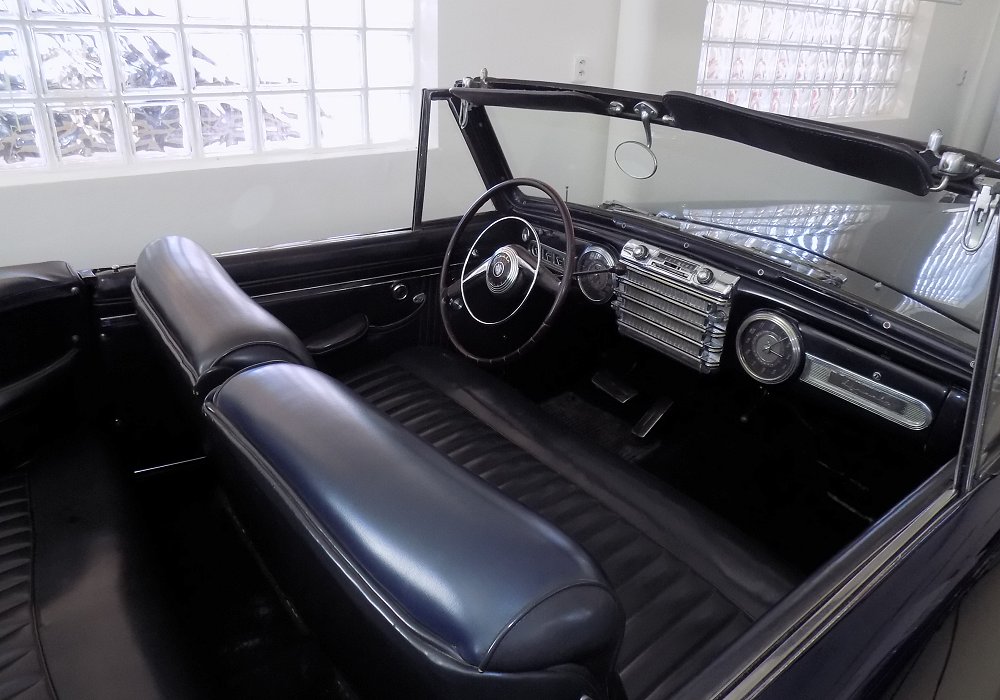
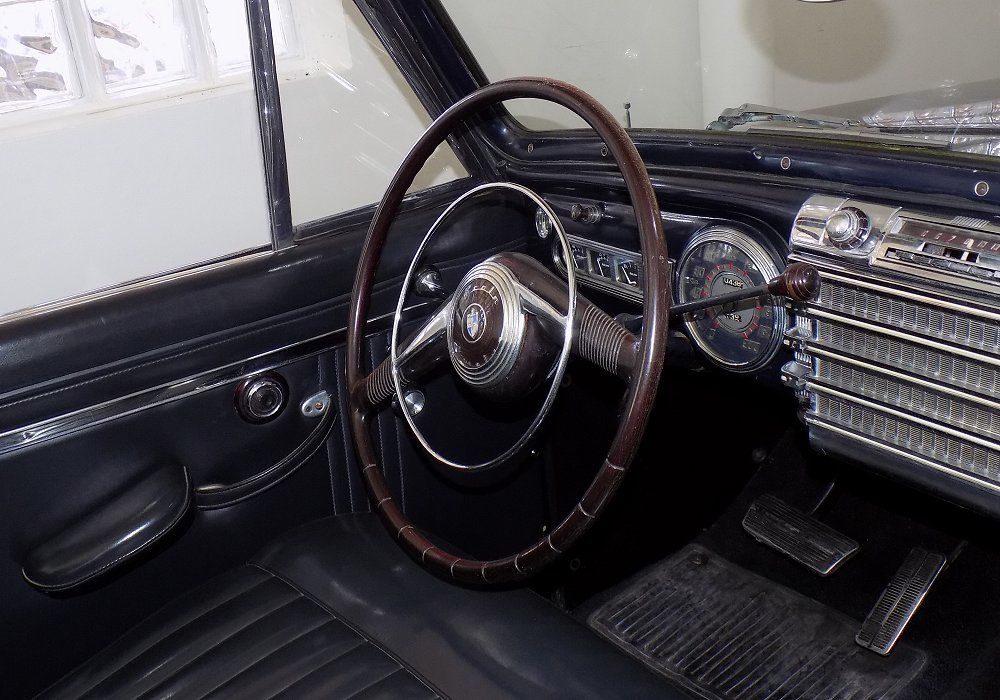
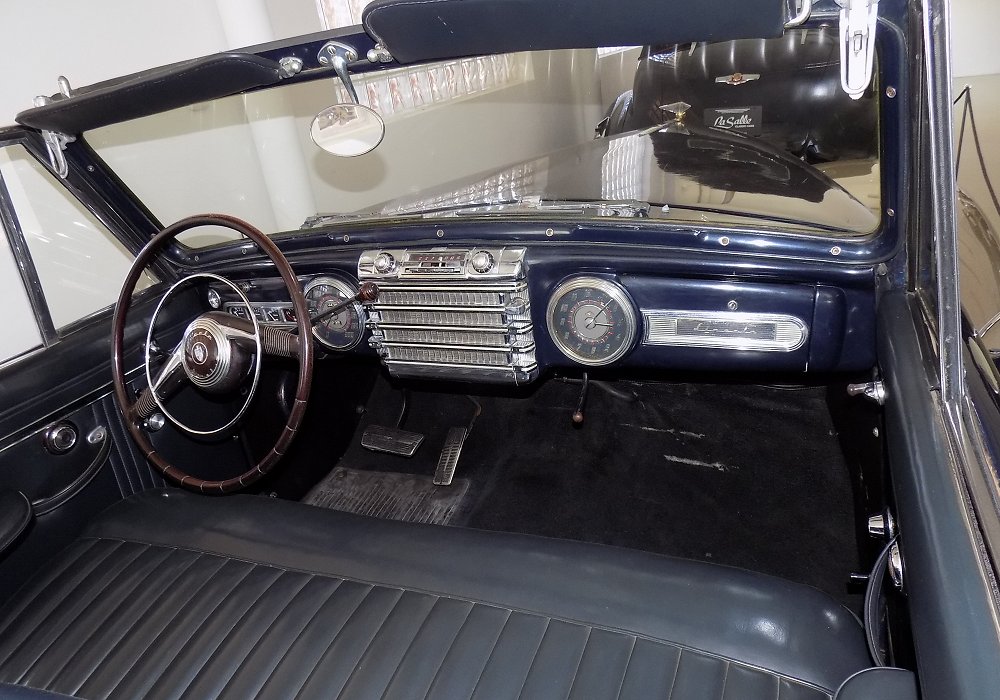
Inside, the Cabriolet’s cabin was a study in understated luxury. The interior featured fine leather upholstery, carefully hand-fitted and tailored. The dashboard was symmetrical and elegantly styled, finished in brushed metal or woodgrain with polished chrome accents. Instruments were simple yet refined, with clear, round gauges set in an Art Deco layout. Every detail, from the steering wheel to the door handles, reflected Lincoln’s commitment to craftsmanship and harmony of design. With the top down, the car offered the freedom of open-air motoring; with the top raised, it retained the quiet comfort and refinement of a true grand touring car.
Driving the Lincoln Continental Cabriolet was an experience defined by serenity. The V12 engine delivered its power smoothly, and the overdrive gearing allowed the car to cruise effortlessly at 70 mph with little more than a whisper from under the hood. The suspension absorbed imperfections with grace, and the steering, though light, provided confident control. The car’s combination of refinement, balance, and quiet authority made it feel at once powerful and dignified—a true reflection of Edsel Ford’s belief that luxury should be felt rather than flaunted.
The Continental Cabriolet was immediately hailed as a masterpiece when it entered production in 1940. The automotive press described it as “America’s most beautiful car,” and it quickly found favor among the artistic and cultural elite. Notable owners included Frank Lloyd Wright, Henry Fonda, and Rita Hayworth. Its restrained elegance set a new design standard for American automobiles, proving that beauty could lie in simplicity rather than ornamentation.
Production of the first-generation Continental Cabriolet continued through 1942, before the outbreak of World War II halted civilian car manufacturing. After the war, production resumed from 1946 to 1948 with only minor updates—most notably a slightly revised grille and improved interior trim. Total prewar production amounted to fewer than 400 units, making the Cabriolet one of the rarest Lincolns ever built. Combined with postwar models, total numbers remained low, underscoring the car’s exclusivity and bespoke character.
Today, the Lincoln Continental Cabriolet is widely regarded as one of the most beautiful cars ever produced. It represents the pinnacle of Edsel Ford’s design legacy—a car that blended American craftsmanship with European grace in a way that no other manufacturer achieved. Collectors consider it a cornerstone of prewar automotive art, and well-preserved examples are prized for their originality, smooth V12 power, and timeless elegance.
The Continental Cabriolet remains a symbol of quiet sophistication and enduring style. It was a car that expressed its luxury not through excess, but through proportion, restraint, and precision. More than eight decades after its debut, its long, flowing lines and dignified presence continue to inspire admiration. In its combination of mechanical refinement and artistic form, the Lincoln Continental Cabriolet stands as one of the greatest achievements in American automotive design—a masterpiece born from taste, vision, and the pursuit of perfection.