
Description
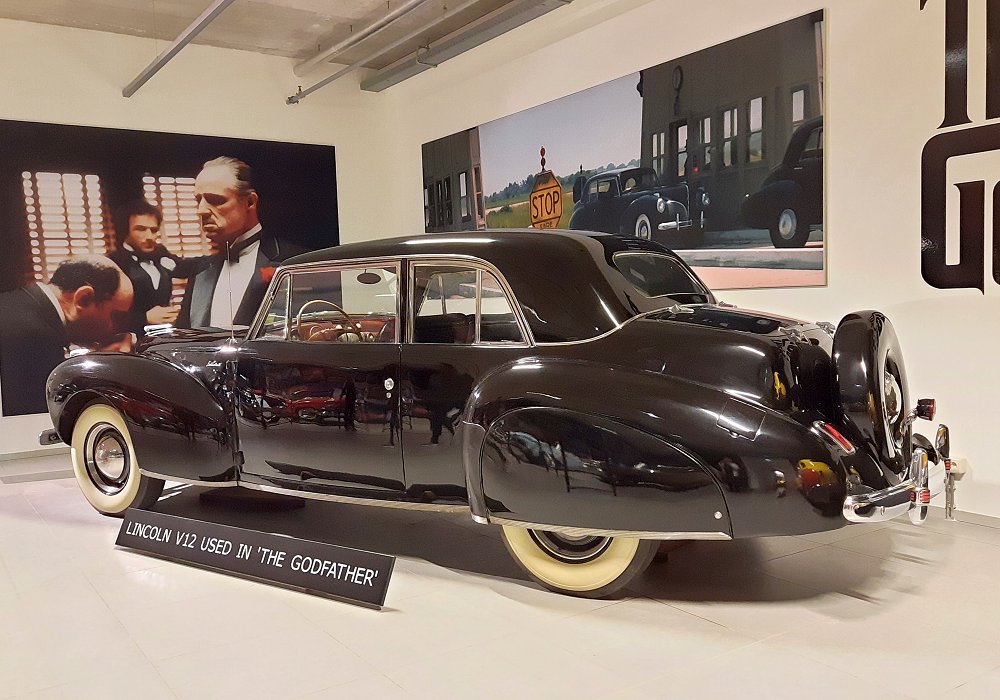
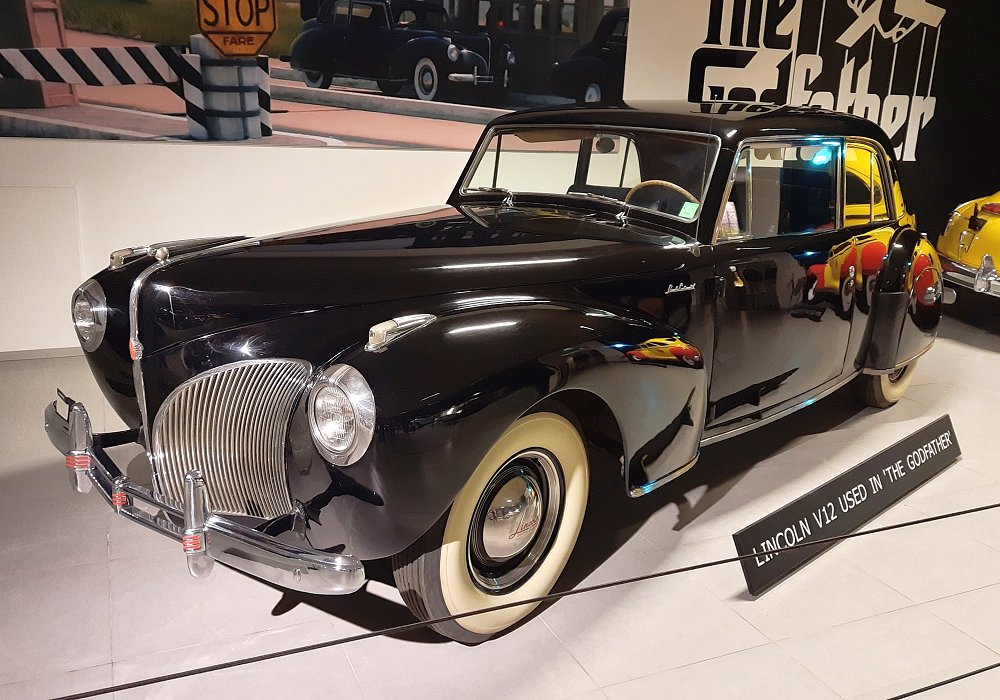
The Lincoln Continental V12 Coupe was one of the defining automobiles of its era, a car that perfectly captured the spirit of refined American luxury and the artistic sensibility of Edsel Ford’s design philosophy. Introduced alongside the celebrated Cabriolet in 1940, the Coupe represented a more formal, enclosed version of the same groundbreaking concept—a sleek, aerodynamically inspired grand tourer that blended European elegance with American power and craftsmanship.
The Continental Coupe’s origins lay in Edsel Ford’s desire to create a sophisticated, personal car unlike anything else produced in the United States at the time. While most luxury cars of the late 1930s were large, upright, and heavily ornamented, Ford envisioned something lower, cleaner, and more modern—a car with the restraint and proportion of European design but the comfort and reliability of a Lincoln. Working with designer Eugene “Bob” Gregorie, Ford directed the development of what began as a custom-bodied Lincoln Zephyr for his personal use. The design was so well received by his peers that it entered production the following year as the Lincoln Continental.
Under the hood, the Continental Coupe shared the same smooth and refined 4.8-litre (292 cubic inch) V12 engine as the Zephyr. This liquid-cooled, L-head V12 produced around 120 horsepower and was known for its remarkable smoothness and near-silent operation. Power was delivered through a three-speed manual transmission with optional overdrive, allowing relaxed high-speed cruising on the open road. The V12’s abundant torque made the car exceptionally easy to drive—its acceleration was effortless, its cruising power serene, and its mechanical refinement unmatched among American cars of its time.
The chassis was derived from the Zephyr’s innovative unit-body construction, which integrated the body and frame into a single rigid structure. With a wheelbase of 125 inches, the Continental Coupe was shorter and lighter than traditional Lincoln sedans, giving it better handling and a more sporting character. Suspension was independent at the front with transverse leaf springs and wishbones, while the rear used semi-elliptic leaf springs with hydraulic shock absorbers. Combined with four-wheel hydraulic brakes, the result was a ride that was smooth, stable, and reassuringly controlled—one of the finest of any American luxury car before the war.
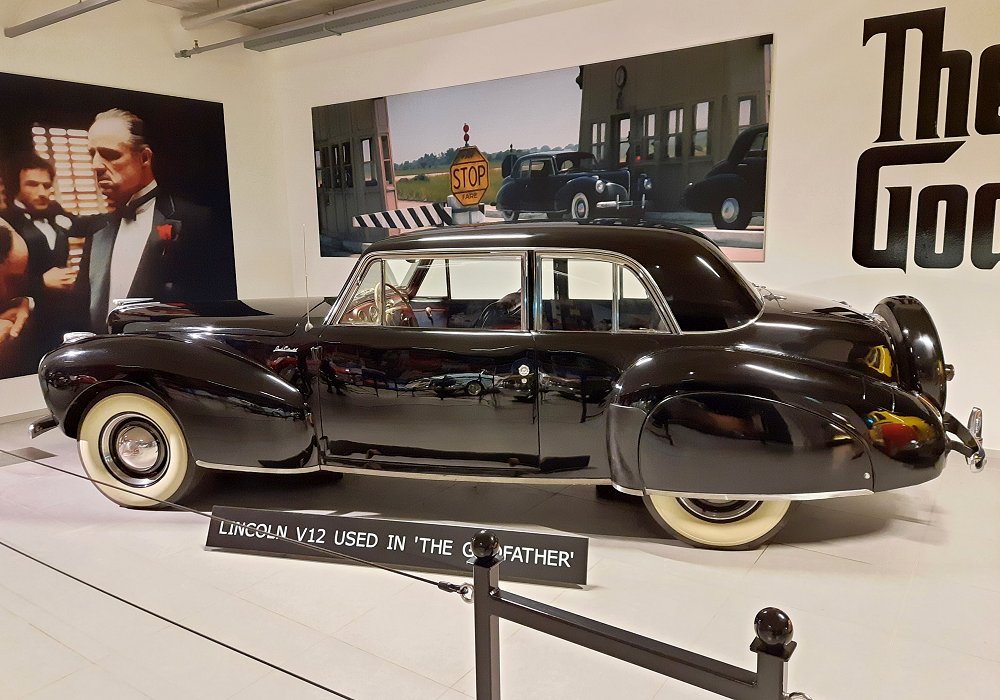
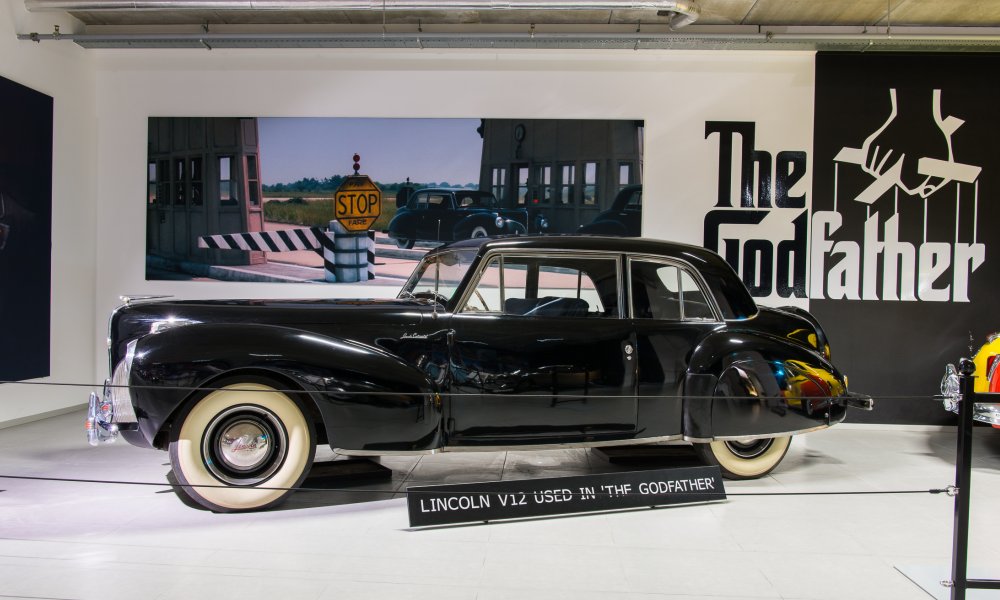
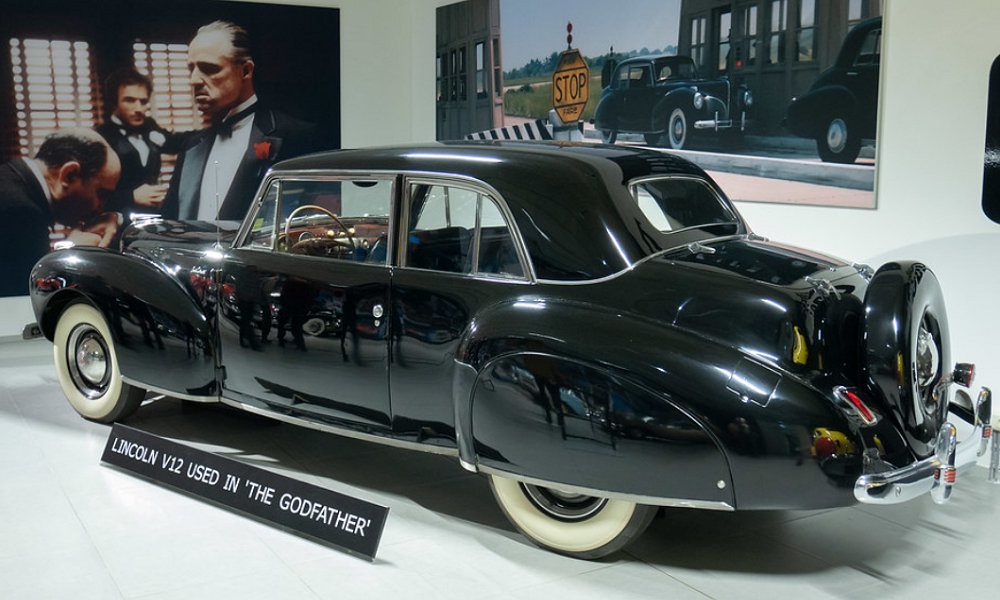
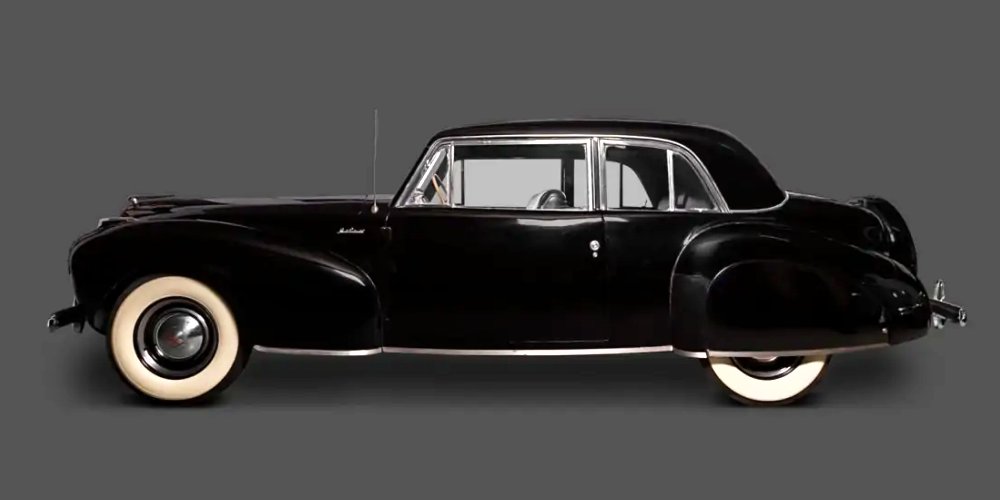
The design of the Continental Coupe was its crowning achievement. Gregorie’s styling was guided by aerodynamic efficiency and classical proportion rather than the heavy ornamentation common to American luxury cars of the late 1930s. The long bonnet, low roofline, and short rear deck created a perfectly balanced silhouette. The front end was dominated by a narrow, vertically split grille flanked by subtly integrated headlamps, while the rear was defined by the now-iconic externally mounted spare wheel, giving the car its signature “Continental” profile. Chrome was used sparingly and tastefully, emphasizing the purity of line rather than excess decoration.
The roofline of the Coupe gave it a more formal and enclosed presence compared to the open Cabriolet, yet the design retained its grace and lightness. The gently curving fenders, flowing from front to rear without interruption, and the flush-fitting doors and windows gave the car a sense of unity and precision rare for the time. Every element was carefully considered to convey elegance and restraint. It was a design that exuded confidence without arrogance—a car for connoisseurs rather than showmen.
Inside, the Continental Coupe was a masterpiece of understated luxury. The cabin was designed for two passengers, with generous space and an atmosphere of quiet sophistication. Materials were of the highest quality, including hand-fitted leather upholstery, polished wood trim, and chrome accents used only where they enhanced the design. The dashboard was symmetrical and modern, featuring round, Art Deco-inspired gauges set into a brushed metal panel. Controls were simple and logically arranged, reflecting the car’s focus on comfort and refinement. The steering wheel was large and elegant, and every switch, handle, and surface was crafted with attention to detail.
Driving the Lincoln Continental V12 Coupe was an experience defined by smoothness and grace. The V12 engine delivered its power in a seamless flow, and the car glided over the road with a serenity that few contemporaries could match. Its low aerodynamic shape allowed it to move quietly through the air, and the suspension provided a level of comfort that belied the car’s performance potential. Steering was light and precise, and the brakes were progressive and strong, giving the driver a sense of complete control. The Continental was never a car built for speed—it was built for effortless, unhurried travel in supreme comfort.
The Coupe was immediately hailed as a masterpiece of design upon its debut. Critics and buyers alike praised its proportions, simplicity, and engineering refinement. The press described it as “America’s most beautiful automobile,” and it quickly became a status symbol among the cultural and artistic elite. Owners included architects, actors, and statesmen—people who valued design and individuality over ostentation. The Continental’s restrained luxury and modern form stood in contrast to the overly decorative designs of other American luxury cars, marking a shift toward a new design language that emphasized proportion and purity.
Production of the first-generation Lincoln Continental Coupe ran from 1940 to 1942, with a brief return after World War II from 1946 to 1948. Total production was limited—fewer than 2,000 Coupes were built before the war, making it one of the rarest and most desirable Lincolns ever produced. Each was hand-finished with meticulous attention to detail, ensuring that every example reflected the craftsmanship and care that defined the Lincoln name.
Today, the Lincoln Continental V12 Coupe is regarded as one of the most important American automobiles ever made. Its influence on automotive design is profound—it helped establish the idea of the “personal luxury car,” a segment that would later inspire models like the Thunderbird and Continental Mark series. Collectors prize it for its beauty, rarity, and the purity of its design philosophy. Restored examples are centerpieces at concours d’elegance around the world, often celebrated as among the most perfectly proportioned automobiles of the 20th century.
The Lincoln Continental V12 Coupe remains more than a car—it is an enduring expression of Edsel Ford’s taste and vision. It embodied a quiet kind of luxury, one that valued elegance over extravagance, precision over power, and timelessness over trend. In its long hood, flowing lines, and serene V12 performance, it stands as one of the finest symbols of American design excellence and a lasting tribute to the artistry of the prewar automotive era.