Description
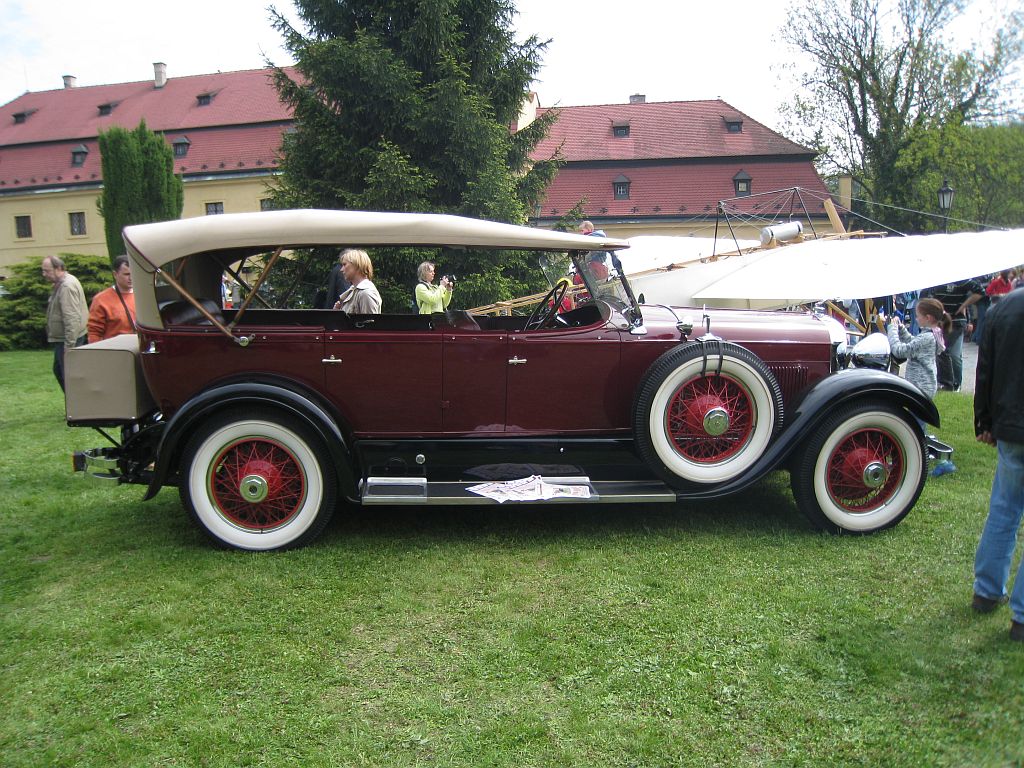
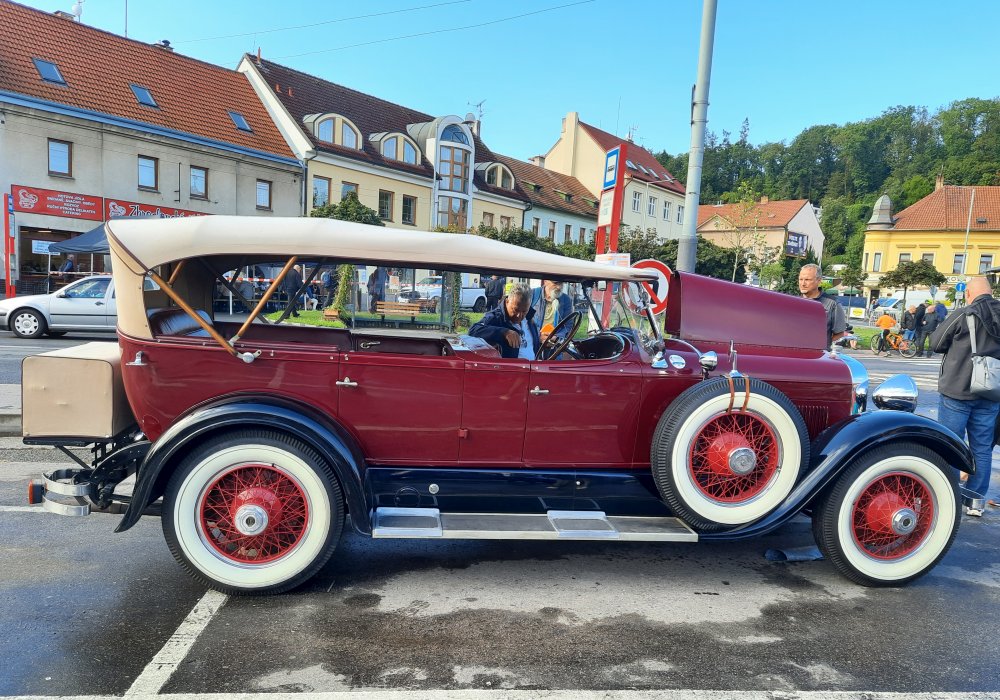
The Lincoln L V8 was one of the most significant American luxury cars of the 1920s, marking the beginning of the Lincoln Motor Company’s reputation for excellence in engineering, craftsmanship, and understated prestige. Introduced in 1920, the Lincoln L was the company’s first production model and became the foundation upon which the Lincoln name—later acquired by the Ford Motor Company—would build its legacy as a leading manufacturer of fine automobiles.
The Lincoln L was originally conceived by Henry Leland, an engineer and entrepreneur best known for founding Cadillac before selling it to General Motors. After leaving Cadillac, Leland and his son Wilfred established the Lincoln Motor Company in 1917, initially to build V12 aircraft engines for the U.S. military during World War I. When the war ended, Leland redirected the company’s precision engineering capabilities toward the construction of a luxury automobile that would embody the same standards of quality and reliability that had made Cadillac famous.
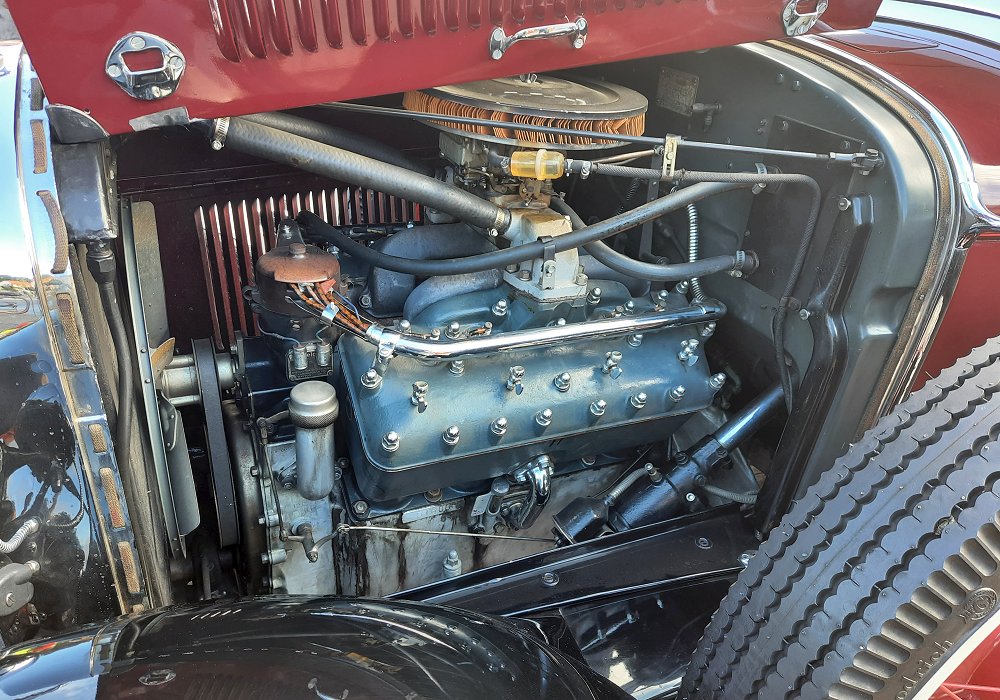
The result was the Lincoln Model L, powered by a 5.9-litre (357 cubic inch) L-head V8 engine producing around 81 horsepower at 2,800 rpm. Built largely from aluminium and featuring a robust crankshaft and high-grade materials, it was one of the most advanced and reliable powerplants of its era. The engine drove the rear wheels through a three-speed manual transmission, and the car’s performance was quietly impressive—capable of speeds approaching 80 mph, it combined smoothness with mechanical durability, two hallmarks of Leland’s engineering philosophy.
The chassis of the Lincoln L was equally well designed. It featured a rigid ladder frame with semi-elliptic leaf springs and mechanical brakes on all four wheels, providing stability and comfort on the rough, often unpaved roads of the time. The steering was precise, and the car’s long wheelbase—ranging from 130 to 136 inches depending on the body style—gave it a commanding presence and an exceptionally smooth ride.
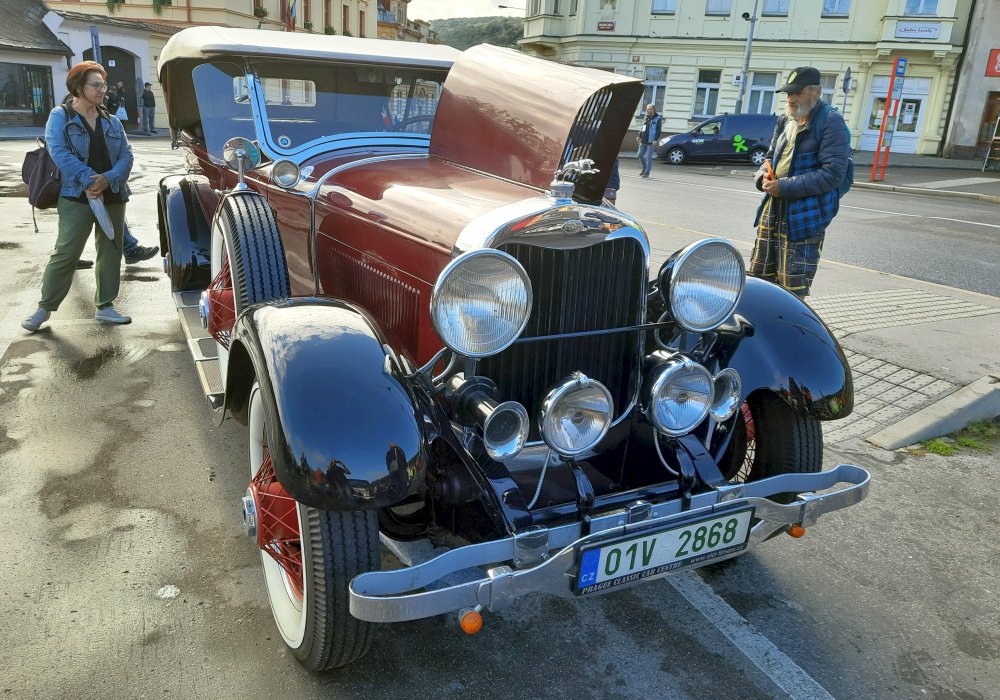
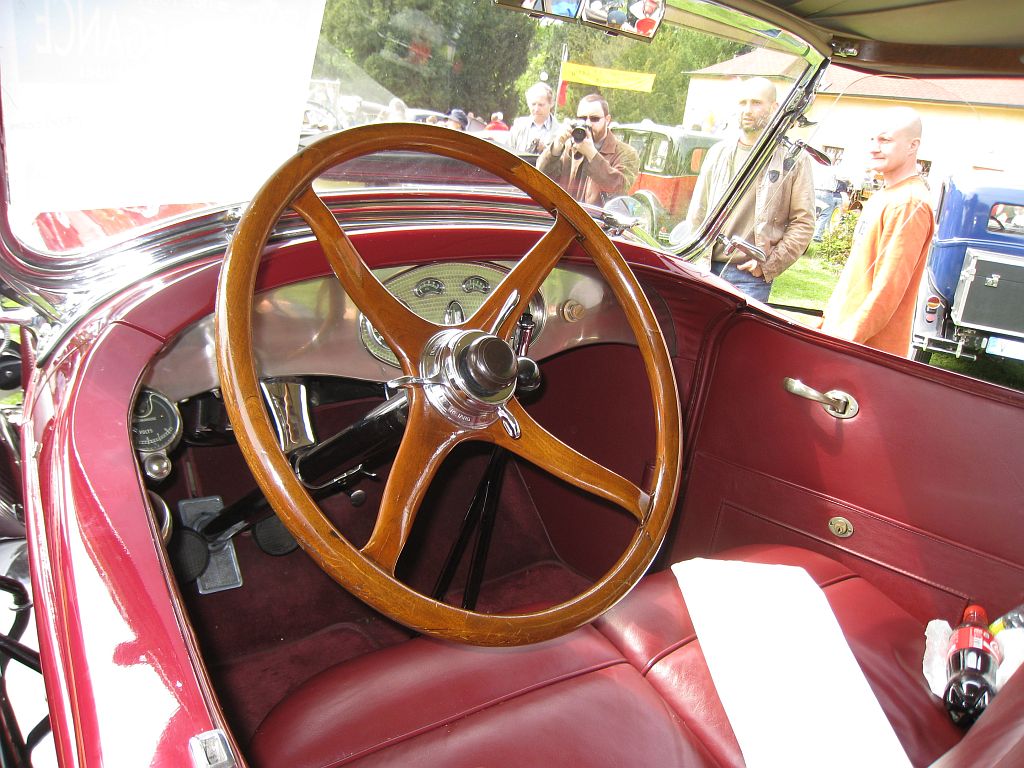
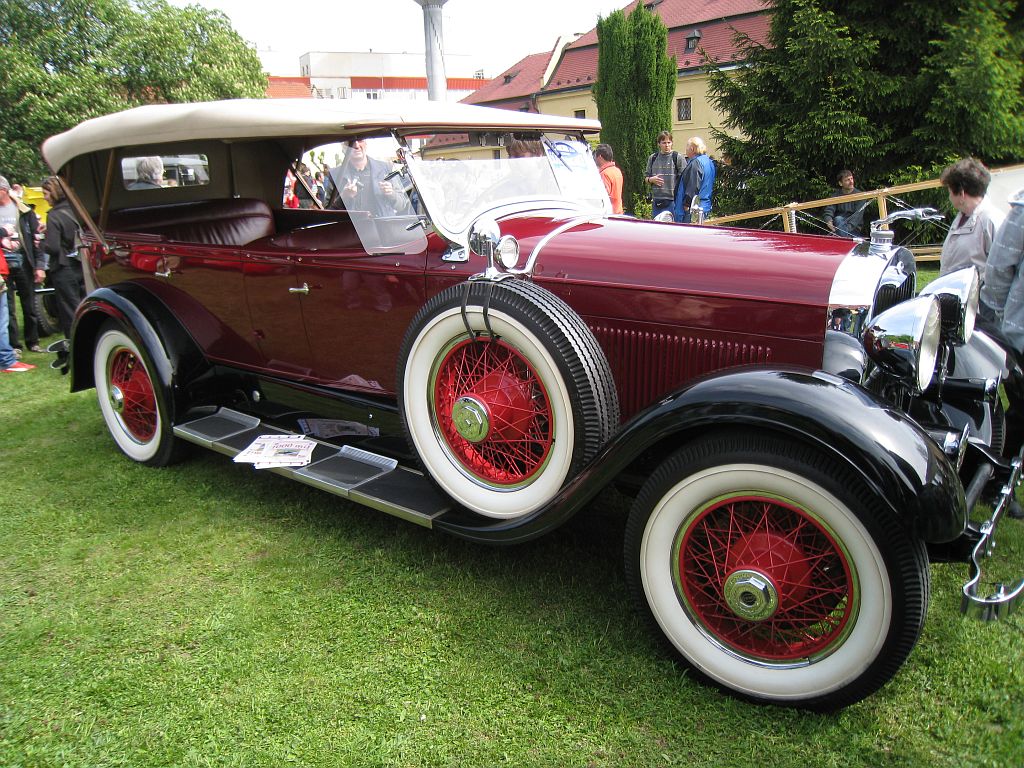
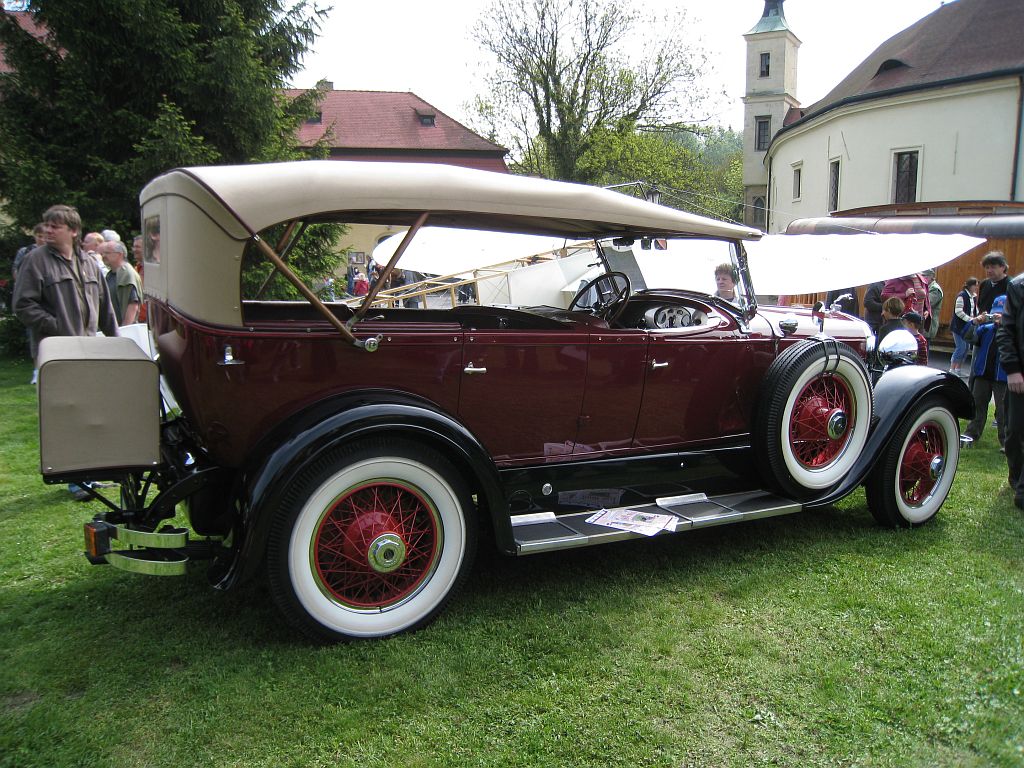
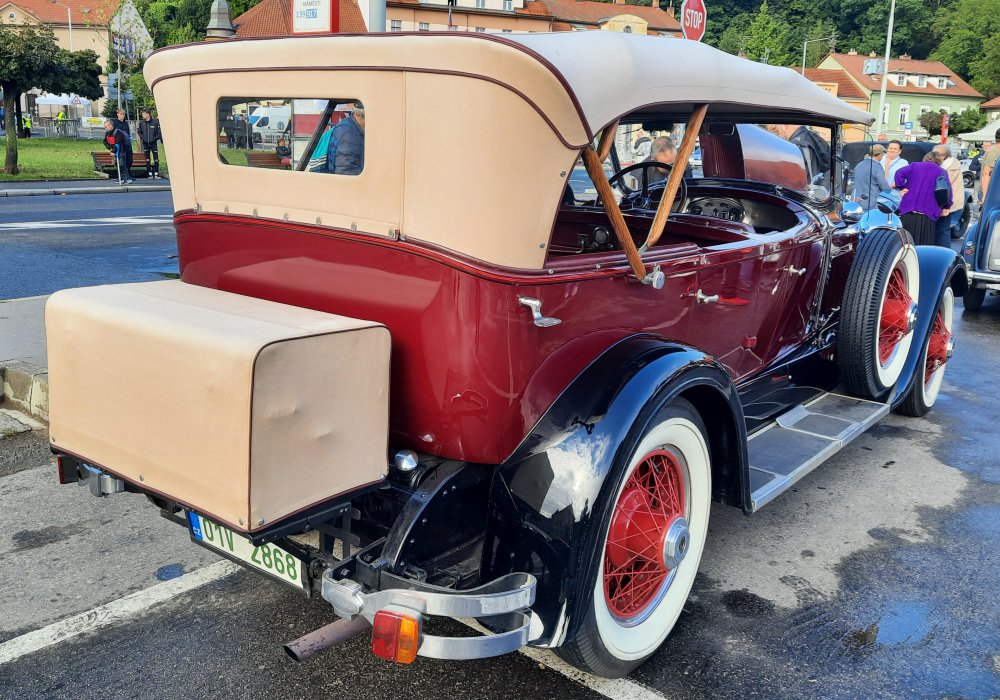
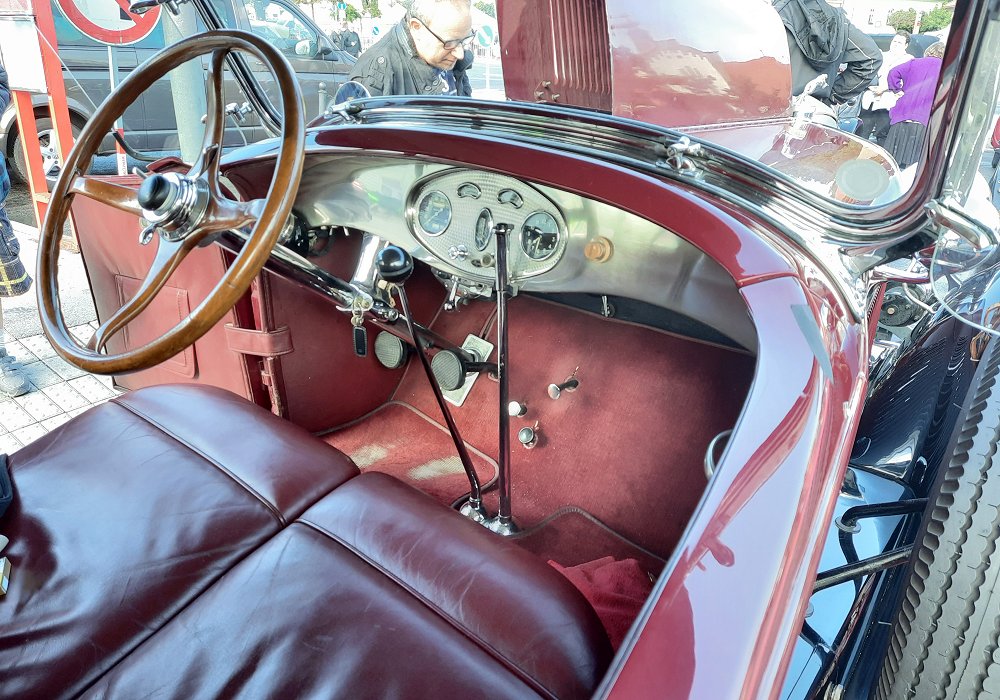
From the beginning, the Lincoln L was conceived not merely as a car but as a coachbuilt luxury platform. The company supplied complete rolling chassis to some of the world’s finest coachbuilders, including Brunn, Judkins, LeBaron, Fleetwood, and Willoughby, who created bespoke bodies ranging from elegant sedans to sporty roadsters and opulent limousines. The craftsmanship was exceptional, with interiors trimmed in fine leather, wool broadcloth, and polished wood veneers. Each car was effectively a hand-built creation tailored to the buyer’s preferences.
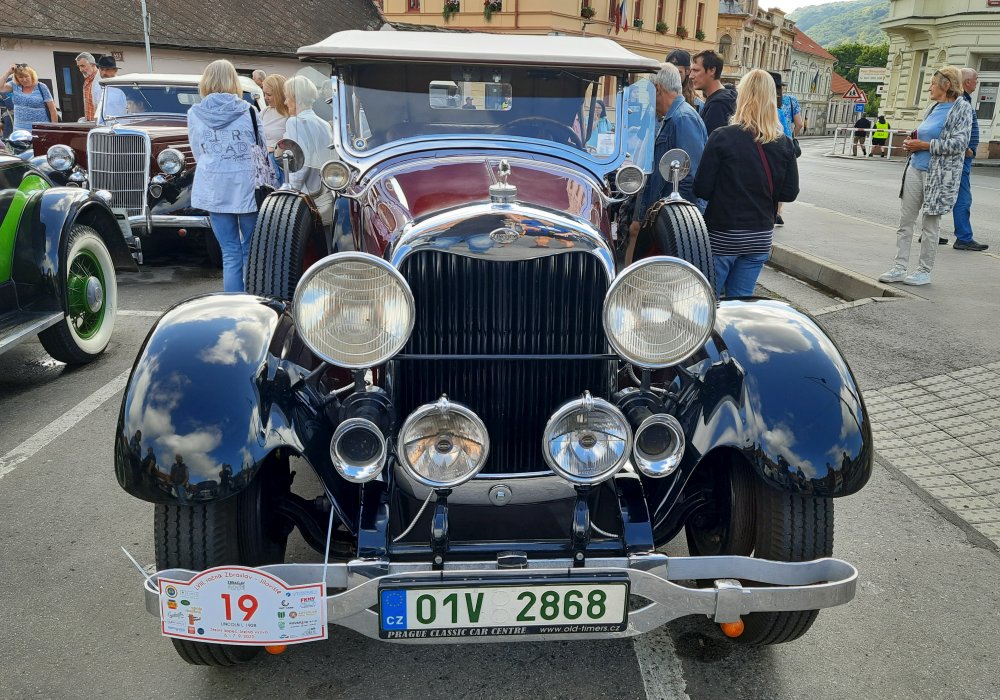
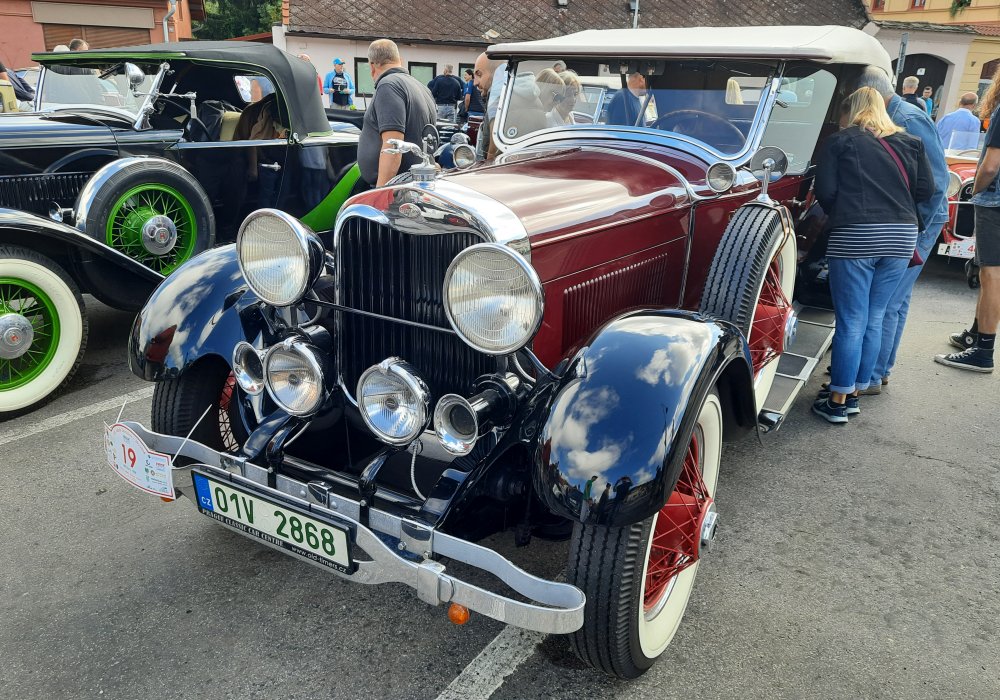
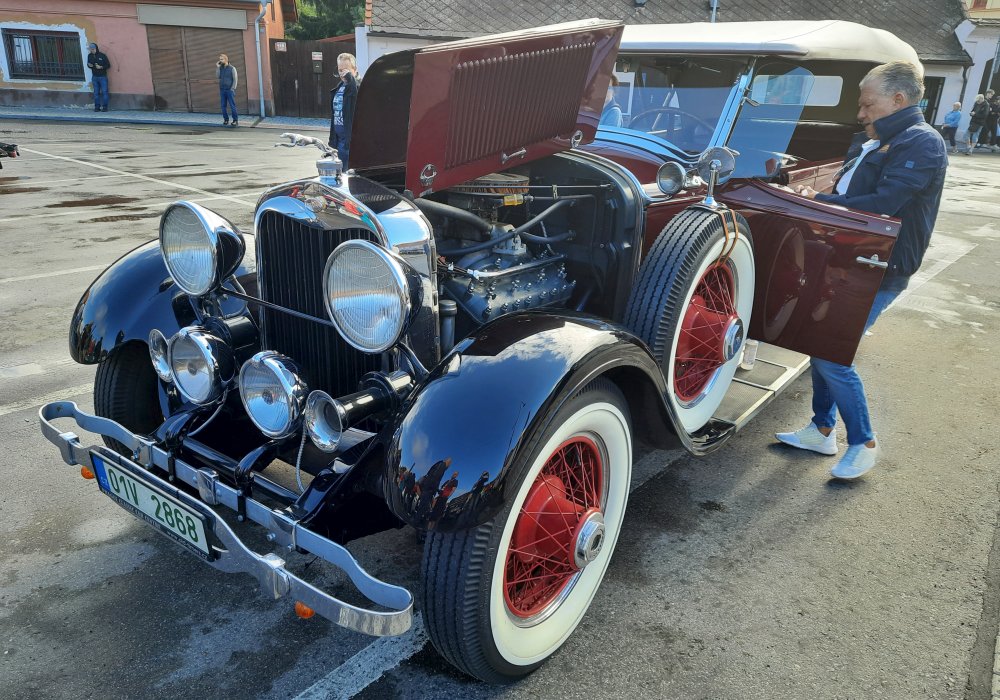
Stylistically, the early Lincoln L models were conservative, reflecting Henry Leland’s focus on engineering rather than fashion. The cars were tall, stately, and somewhat austere, with flat radiators, squared-off fenders, and minimal ornamentation. This restraint appealed to a clientele that valued substance over showmanship, but it also limited the car’s visual appeal compared to the more flamboyant designs emerging from Packard and Duesenberg.
By 1922, the company faced financial difficulty as post-war economic pressures and Leland’s insistence on uncompromising production standards drove costs higher than revenues. In February of that year, the Lincoln Motor Company was purchased by Henry Ford at a receivership auction for $8 million, largely to rescue Leland’s workforce and facilities. Ford’s son, Edsel, took over management and immediately began transforming Lincoln into a modern luxury brand with an emphasis on design and individuality.
Under Edsel Ford’s guidance, the Lincoln L evolved significantly. New styling touches were introduced—nickel-plated trim, lower rooflines, more graceful fenders, and elegant radiator shells—and the car’s mechanicals were refined for smoother operation. Lincoln began to commission renowned coachbuilders to create bodies that reflected Edsel’s refined aesthetic taste, combining mechanical integrity with visual sophistication. By the mid-1920s, the Lincoln L had become one of the most respected luxury cars in America, rivalled only by Packard and Pierce-Arrow.
The Model L’s production continued until 1930, with steady improvements in performance, comfort, and style. Later models featured upgraded engines producing up to 90 horsepower, improved four-wheel braking systems, and redesigned interiors that reflected the art deco influences of the late 1920s. The car’s reliability and understated elegance made it a favourite among business leaders, statesmen, and even U.S. Presidents—Lincoln supplied official cars to the White House during the 1920s and 1930s, cementing its association with dignity and prestige.
On the road, the Lincoln L delivered the kind of driving experience that defined American luxury motoring of the era: smooth, quiet, and effortless. Its V8 engine provided abundant torque, and the car’s massive flywheel gave it a serene, unhurried character. Passengers were cocooned in a spacious, well-insulated cabin, while the driver enjoyed the satisfaction of operating a machine that felt impeccably engineered.
By the time production ended in 1930, roughly 20,000 Lincoln Ls had been built—a modest figure by Ford standards but an impressive achievement for a hand-finished luxury automobile. It was succeeded by the Lincoln Model K, which introduced a V12 engine and more streamlined styling for the new decade.
Today, the Lincoln L V8 is remembered as one of the foundational models of American luxury motoring. It represents the bridge between the precision craftsmanship of the early automotive era and the industrial refinement that would define luxury cars in the decades to come. Collectors value the Model L for its engineering integrity, graceful coachwork, and historical significance—it was, quite literally, the car that saved Lincoln and set the stage for its transformation under Ford’s stewardship.
The Lincoln L V8 remains a testament to the ideals of its creator, Henry Leland: a car built with precision, honesty, and mechanical excellence. In its blend of craftsmanship and reliability, it established the DNA that would define Lincoln for generations—the quiet confidence of true quality rather than the noise of extravagance.