Description
The Lincoln Continental Mark VII LSC was the definitive expression of Lincoln’s transformation from stately luxury to modern performance sophistication—a grand touring coupe that combined American presence with European-inspired handling and technology. Produced from 1984 through 1992, the LSC (Luxury Sport Coupe) version was the most dynamic and engaging variant of the Mark VII range, created to appeal to drivers who desired traditional Lincoln refinement paired with genuine athletic ability. It marked a bold new era for Lincoln, one in which elegance, technology, and performance coexisted in perfect harmony.
When the Mark VII debuted in 1984, it broke dramatically from the past. Gone were the towering grilles and formal lines of the 1970s models; in their place stood a sleek, aerodynamic body that was designed in the wind tunnel for improved efficiency and stability. Built on Ford’s Fox platform—the same architecture used for the Mustang and Thunderbird—the Mark VII was lower, lighter, and far more agile than any Lincoln before it. The LSC trim took this transformation further, fine-tuning the car’s suspension, drivetrain, and styling to deliver a distinctly sporting character without sacrificing the luxury expected of the brand.
At its heart, the Mark VII LSC was powered by Ford’s legendary 5.0-litre (302 cubic inch) high-output V8 engine—the same unit that powered the Mustang GT of the era. Initially producing around 165 horsepower, the engine was steadily refined over the years; by 1988, with the addition of electronic fuel injection, revised cylinder heads, and performance tuning, output rose to 225 horsepower and 300 lb-ft of torque. Mated to a four-speed automatic overdrive transmission, the V8 gave the LSC smooth, linear acceleration and confident power delivery across the rev range. It could sprint from 0 to 60 mph in under eight seconds, an impressive figure for a full-sized luxury coupe, and cruise effortlessly at highway speeds with the engine barely audible.
The LSC was distinguished from other Mark VII models by its sport-tuned suspension. Lincoln engineers reworked the car’s four-wheel air suspension system—one of the most advanced of its time—to provide a firmer, more controlled ride without compromising comfort. The system automatically adjusted ride height and damping to maintain stability and composure under varying loads and speeds. Complemented by quick-ratio rack-and-pinion steering and four-wheel disc brakes with standard anti-lock braking (ABS), the LSC handled with precision and balance that were remarkable for a luxury car of its era. The result was a Lincoln that felt planted and confident on winding roads, yet retained the serenity and smoothness expected on long interstate drives.
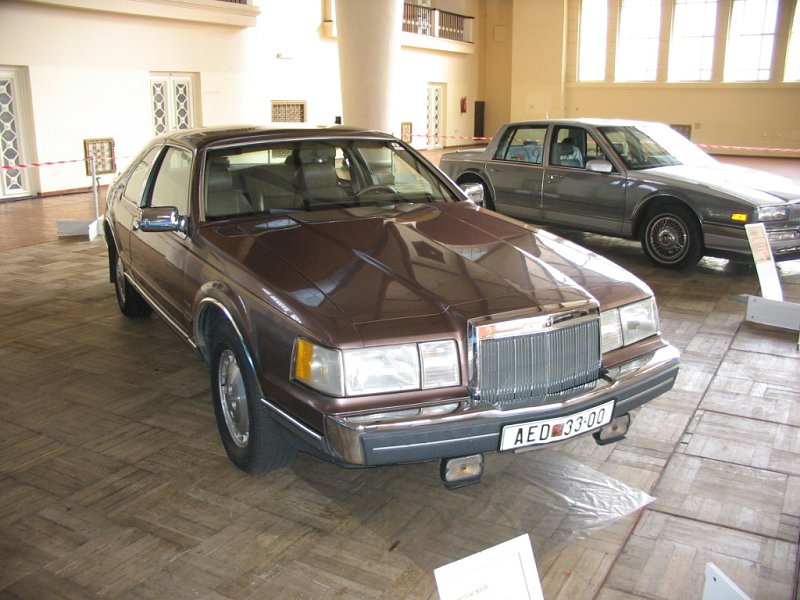
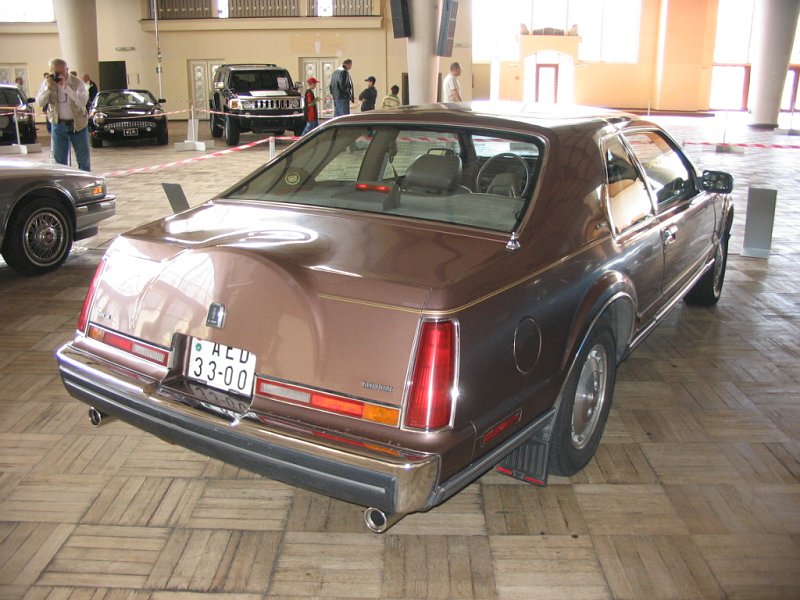
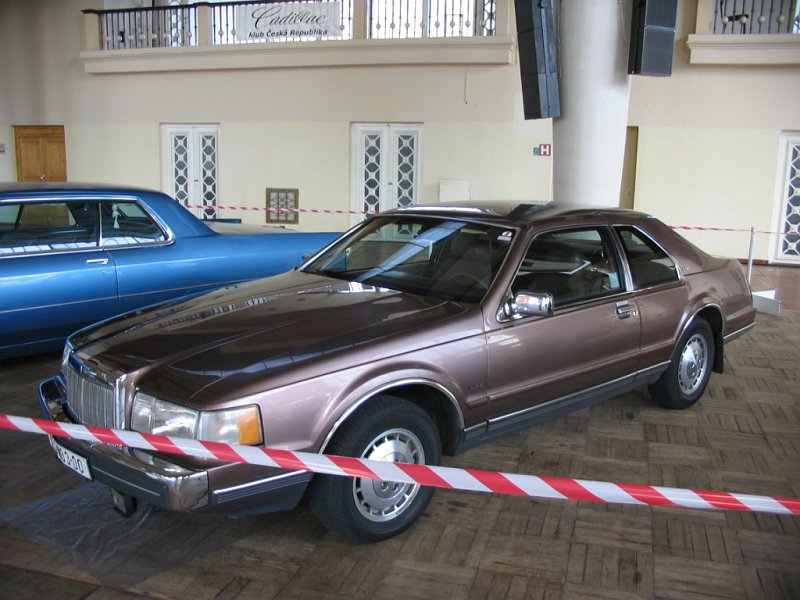
Visually, the Mark VII LSC carried a more assertive and streamlined appearance than the standard models. Its design was clean, cohesive, and subtly muscular, reflecting the aerodynamic ethos of the 1980s. The long hood, short deck, and sloping roofline gave it a dynamic stance, while the sharply cut rear end and integrated bumpers emphasized function over ornament. The front featured flush-mounted aerodynamic headlamps—the first ever fitted to an American car—framing a slim, understated Lincoln grille. LSC models were further distinguished by body-colored bumpers, blacked-out window trim, alloy sport wheels, and discreet badging. Many examples featured a rear decklid spoiler and a subtle dual-exhaust finish, underscoring the car’s performance-oriented image.
Inside, the LSC balanced sportiness with Lincoln’s hallmark luxury. The cabin was tailored in premium leather or plush velour, with deep, contoured seats designed to hold occupants comfortably during spirited driving. The driver-oriented dashboard featured a clean, symmetrical design, dominated by digital instrumentation in early models and later by more conventional analog gauges after 1989. Controls were logically arranged, and features such as automatic climate control, cruise control, power windows, and premium audio were all standard. The steering wheel was smaller and thicker-rimmed than in other Lincoln models, giving the driver a sense of control and precision.
The LSC’s technological sophistication extended well beyond its powertrain. In addition to air suspension and ABS, it featured automatic ride control, onboard diagnostics, keyless entry, and one of the earliest trip computer systems in a production car. Later models offered a JBL premium sound system and refinements such as automatic dimming mirrors and advanced lighting controls. Every component reflected Lincoln’s determination to merge performance engineering with modern luxury.
On the road, the Mark VII LSC felt like no Lincoln before it. The V8’s torque provided strong, effortless acceleration, and the four-speed overdrive transmission shifted smoothly yet decisively. The revised suspension gave the car composure through corners, with minimal body roll and a surprising degree of agility. The steering was direct, the brakes powerful and reassuring, and the overall driving experience balanced grace with control. The LSC could glide serenely down a highway or tackle a mountain road with equal confidence—a quality that made it one of the most versatile luxury cars of its time.
Throughout its production, the LSC evolved continually. The 1986 model introduced electronic fuel injection for improved responsiveness and efficiency. The 1988 refresh brought more power, revised styling, and updated interior materials, while the 1990–1992 models refined the formula further with improved aerodynamics, new wheels, and subtle trim updates. The final years saw the LSC at its best—fast, refined, and technologically advanced, with performance that rivaled many European luxury coupes from BMW and Mercedes-Benz.
The Mark VII LSC also achieved success in motorsport, an unusual distinction for a Lincoln. It competed in the International Motor Sports Association (IMSA) GT series under the Roush Racing banner, demonstrating the potential of the car’s chassis and powertrain in a performance environment. This association further enhanced the LSC’s reputation as a true “driver’s Lincoln.”
When production ended in 1992, the Mark VII LSC left behind a legacy unlike any other in Lincoln’s history. It had successfully redefined the brand’s image—proving that a Lincoln could be both elegant and dynamic, luxurious yet modern. Its combination of power, technology, and understated style set the stage for future performance-oriented Lincolns such as the Mark VIII and the LS.
Today, the Lincoln Continental Mark VII LSC is celebrated as a landmark in American automotive design. Collectors appreciate its blend of European-influenced handling, robust V8 performance, and unmistakable Lincoln comfort. Well-maintained examples continue to impress with their balance of refinement and athleticism.
The Lincoln Continental Mark VII LSC was a turning point—a car that bridged the gap between traditional American luxury and modern performance engineering. It proved that Lincoln could evolve without losing its identity, offering drivers a rare combination of power, grace, and sophistication. Agile yet dignified, elegant yet assertive, the LSC remains one of the most accomplished and memorable Lincolns ever built.