Description
The Lincoln Town Car was the definitive symbol of American luxury motoring for over three decades—an automobile that embodied comfort, dignity, and quiet authority. Produced from 1981 to 2011, it became the cornerstone of Lincoln’s identity and the final evolution of the classic full-size, rear-wheel-drive luxury sedan. Revered by chauffeurs, executives, and discerning private owners alike, the Town Car represented the height of refined travel—elegant in design, serene in motion, and unwaveringly reliable.
The Town Car name first appeared in the 1950s as a special trim of the Lincoln Continental, derived from a traditional coachbuilding term for an enclosed passenger vehicle driven by a chauffeur. In 1981, Lincoln elevated the Town Car to model status, positioning it as the brand’s flagship sedan. Built on Ford’s Panther platform, it inherited the robust, body-on-frame construction that would define it for the rest of its life. While competitors increasingly adopted front-wheel-drive and unibody construction, Lincoln remained faithful to the traditional American formula: rear-wheel-drive, a long hood, a formal roofline, and an unshakable emphasis on comfort over sport.
Power in the early Town Cars came from the 5.0-litre (302 cubic inch) Windsor V8, paired with a smooth four-speed automatic overdrive transmission. Though not a high-performance engine, it provided steady, refined torque and exceptional durability. Over time, this was replaced by the 4.6-litre SOHC Modular V8 introduced in the 1990s, which delivered improved efficiency, cleaner emissions, and greater smoothness. Regardless of the year, the Town Car’s powertrain was tuned for serenity rather than speed—its throttle response gentle, its shifts imperceptible, and its acceleration calm but confident.
The Town Car’s chassis engineering was focused entirely on ride comfort. Its long wheelbase and soft suspension allowed it to glide over imperfections with a composure few cars could match. Later versions featured air springs at the rear to maintain level ride height regardless of load, a feature especially appreciated in limousine and livery versions. Power steering was feather-light, and the braking system—originally disc/drum and later upgraded to four-wheel discs—was calibrated for smooth, predictable stops. The result was a driving experience best described as effortless: the Town Car seemed to float above the road, insulating its occupants from noise, vibration, and harshness.
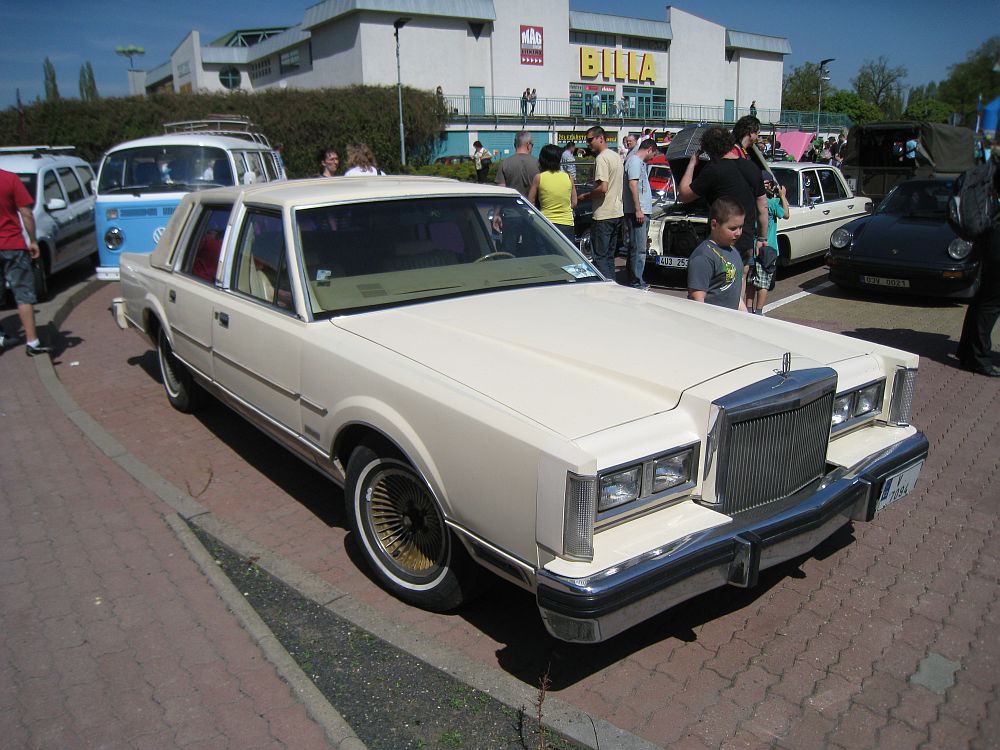
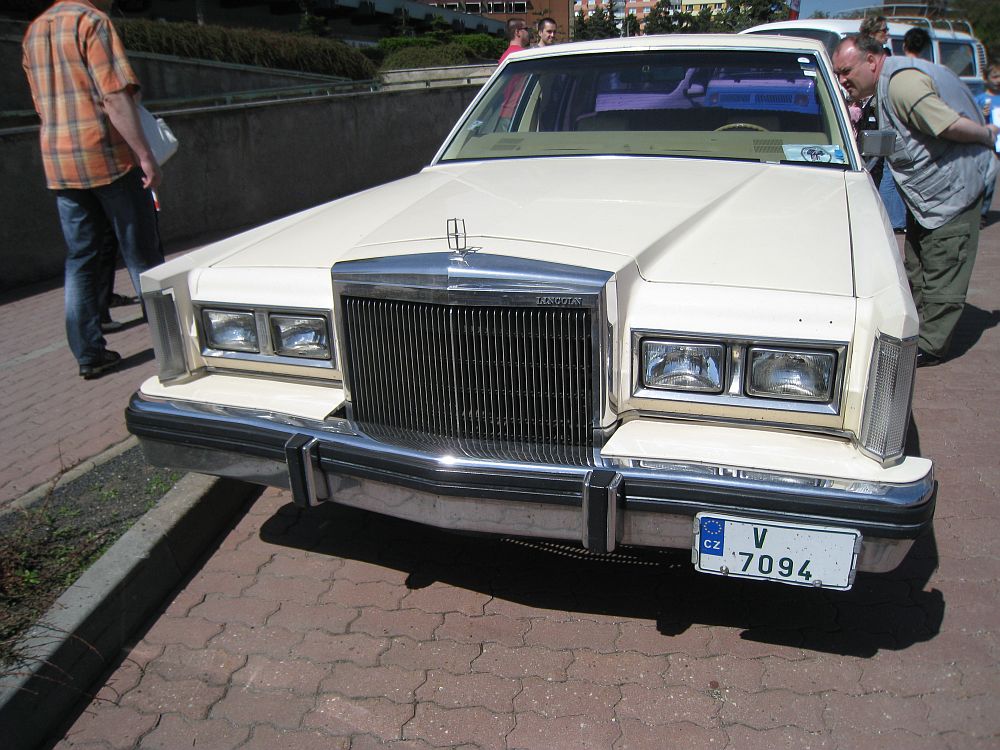
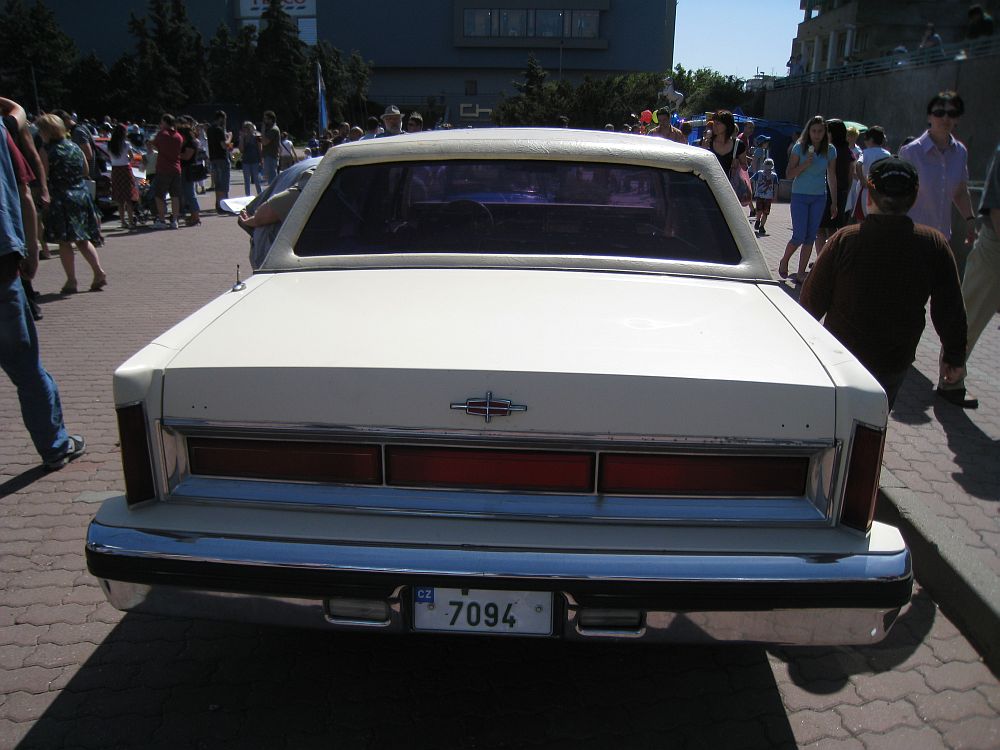
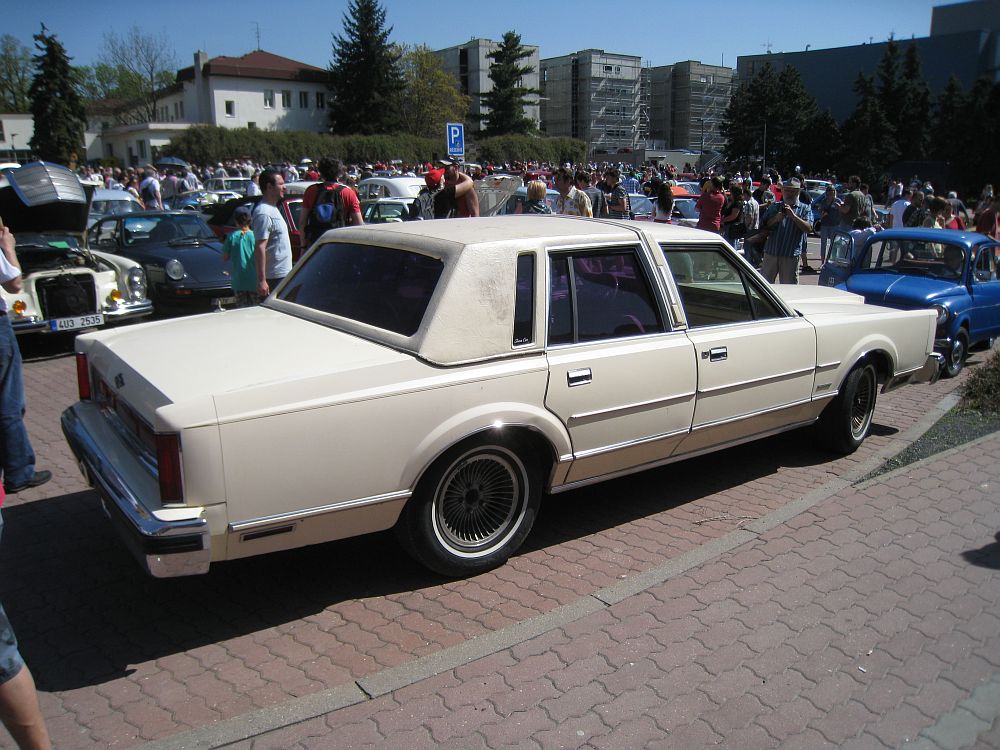
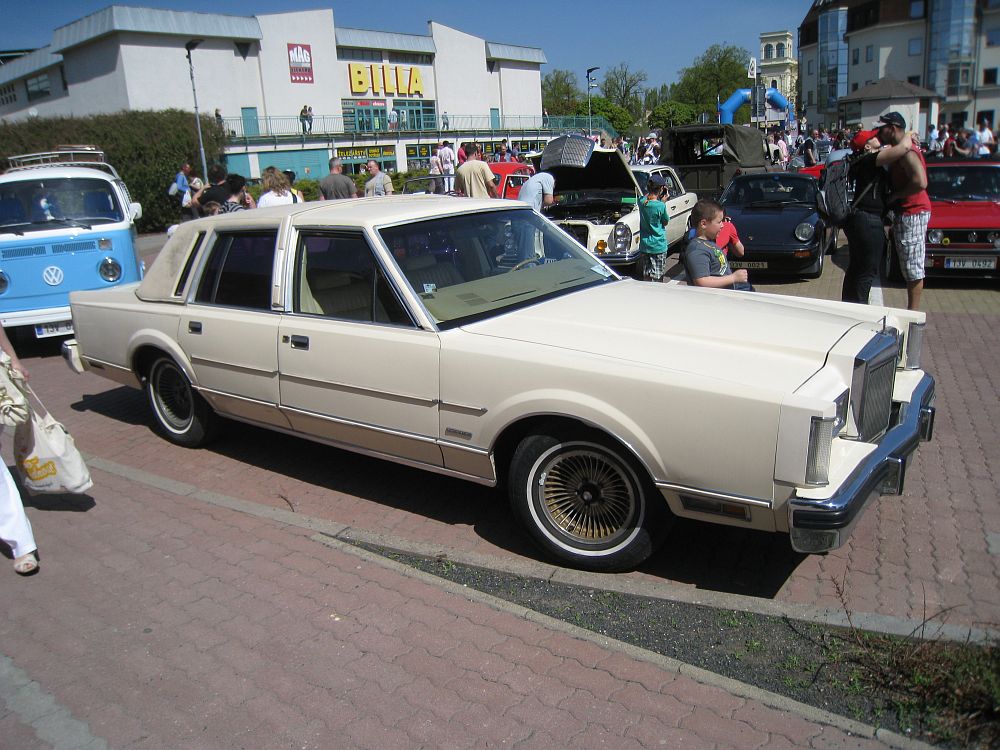
Stylistically, the Town Car carried forward Lincoln’s tradition of formal elegance. The early 1980s models were defined by their crisp lines, upright grilles, and square proportions—symbols of American prestige in an era increasingly dominated by European influences. The vertical chrome grille, full-width taillights, and vinyl-covered roof with opera windows became Town Car trademarks. The design evolved gradually through the 1990s, adopting smoother, more aerodynamic lines while retaining its stately demeanor. The final generation, introduced in 1998, refined this formula to perfection: a long, graceful body with a gently rounded front end, understated chrome accents, and proportions that conveyed quiet power rather than excess.
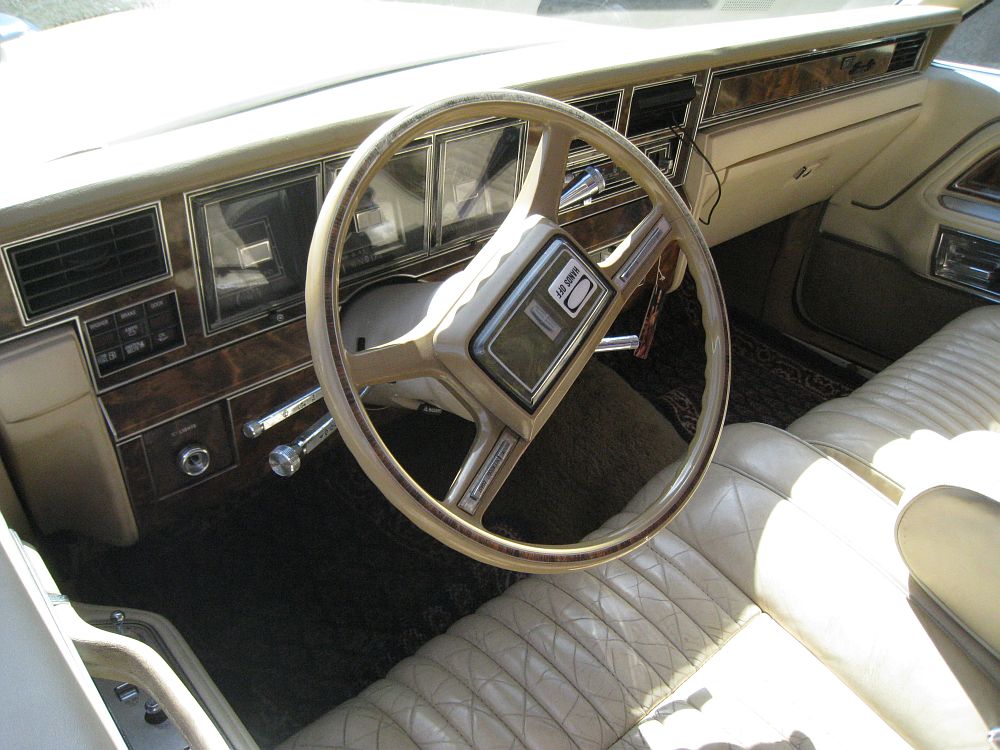
Inside, the Lincoln Town Car was a sanctuary of space and comfort. The cabin was vast and inviting, trimmed in rich materials and executed with exceptional attention to detail. Plush leather seats offered deep cushioning and generous proportions, often described as armchairs on wheels. Both front and rear passengers enjoyed expansive legroom, and the wide doors made entry and exit effortless. The dashboard design emphasized simplicity and functionality, with large, clearly marked controls and elegant wood-grain accents. Every switch operated with deliberate smoothness, and insulation throughout the cabin created an atmosphere of near-silence.
Standard features reflected Lincoln’s commitment to convenience and ease. Automatic climate control, cruise control, power-adjustable seats, power windows and locks, and a premium sound system were all part of the Town Car experience. Later models added technological refinements such as digital instrumentation, keyless entry, memory seating, heated mirrors, and advanced sound insulation. The trunk, one of the largest in any sedan, could swallow luggage for several passengers with ease—one of the many reasons the Town Car became the limousine of choice in North America for decades.
On the road, the Town Car offered a sense of calm unmatched by nearly any other car of its era. The steering was relaxed and fluid, the engine barely audible, and the suspension absorbed even the harshest surfaces without intrusion. The car excelled at highway cruising, where its long wheelbase and soft damping produced a sensation of steady, unbroken motion. Drivers often described the experience not as driving, but as gliding. Yet despite its size, the Town Car was surprisingly manageable—its precise steering and excellent visibility made it easy to maneuver through city streets and tight spaces.
As the years passed, the Town Car developed a reputation not only for comfort but also for durability. Its simple, proven engineering made it a favorite of limousine operators, airport transfer services, and government fleets. Many examples covered hundreds of thousands of miles with minimal issues, a testament to its robust construction and conservative engineering. The combination of body-on-frame design and rear-wheel drive made it ideal for conversion into stretch limousines and executive sedans.
The 1998 redesign marked the third and final generation of the Town Car, introducing a stiffer frame, improved suspension tuning, and the refined 4.6-litre Modular V8. It offered a more modern driving experience while preserving the traditional Lincoln feel. Later updates added features like side airbags, stability control, and refined interior trim. The Signature, Cartier, and Executive editions offered varying levels of luxury, while the long-wheelbase “L” model provided limousine-like rear-seat legroom for private and corporate buyers alike.
Despite its enduring popularity with professional drivers and traditional luxury buyers, changing market trends eventually caught up with the Town Car. Consumers increasingly favored SUVs and crossovers, while competitors focused on performance-oriented sedans. Production ended in 2011 at Ford’s St. Thomas Assembly Plant in Ontario, closing the chapter on one of the longest-running and most respected nameplates in American automotive history.
Today, the Lincoln Town Car is remembered as a timeless embodiment of American luxury—unpretentious, comfortable, and dignified. Collectors value its durability, craftsmanship, and the serenity of its driving experience. For many, it represents the end of an era, when luxury meant space, quietness, and effortless motion rather than speed or complexity.
The Lincoln Town Car was more than just a vehicle—it was a statement of refinement and restraint. With its smooth V8 power, commanding presence, and legendary comfort, it stood for a kind of luxury that placed serenity above spectacle. Even years after production ended, its reputation endures as the car that defined what it meant to travel in true American style.