Description
The Lincoln V8 Sport Sedan was one of the most distinctive expressions of American luxury during the early 1930s, a car that captured Lincoln’s transition from the traditional craftsmanship of the 1920s to the more streamlined, performance-oriented aesthetic of the new decade. Introduced for the 1933 model year as part of the KA series, the Sport Sedan combined Lincoln’s proven V8 power with elegant, athletic bodywork and a level of refinement that set it apart from nearly every other luxury automobile of its time.
The early 1930s were a period of great change for Lincoln. The Great Depression had reduced the market for high-end cars, but under the leadership of Edsel Ford, the company persisted in producing automobiles that emphasized artistry and engineering excellence rather than mere extravagance. The KA V8 models were designed to complement the larger, more expensive KB V12 range, offering similar luxury and craftsmanship in a slightly more compact and affordable form. The Sport Sedan, in particular, embodied Edsel Ford’s preference for clean lines and proportionate design, blending luxury and performance with modern restraint.
At its heart, the Lincoln V8 Sport Sedan was powered by a 6.3-litre (384 cubic inch) L-head V8 engine. This robust and smooth-running powerplant produced around 125 horsepower and was renowned for its flexibility and reliability. The engine was paired with a three-speed manual transmission featuring synchromesh on the upper gears, which allowed for quiet, seamless shifts—a significant advancement for the era. Capable of speeds exceeding 85 mph, the car provided effortless performance while maintaining the near-silent refinement expected of a Lincoln.
The chassis was built to the same high standards that had established Lincoln’s reputation for durability and road manners. Constructed of heavy steel channels with cross-bracing for rigidity, it featured a wheelbase of 136 inches, providing both stability and generous interior space. Suspension was by semi-elliptic leaf springs with hydraulic shock absorbers, tuned for a smooth, controlled ride over the rougher roads of the period. Four-wheel mechanical brakes with vacuum assist provided reliable stopping power, and steering was light and precise, thanks to Lincoln’s careful attention to geometry and balance.
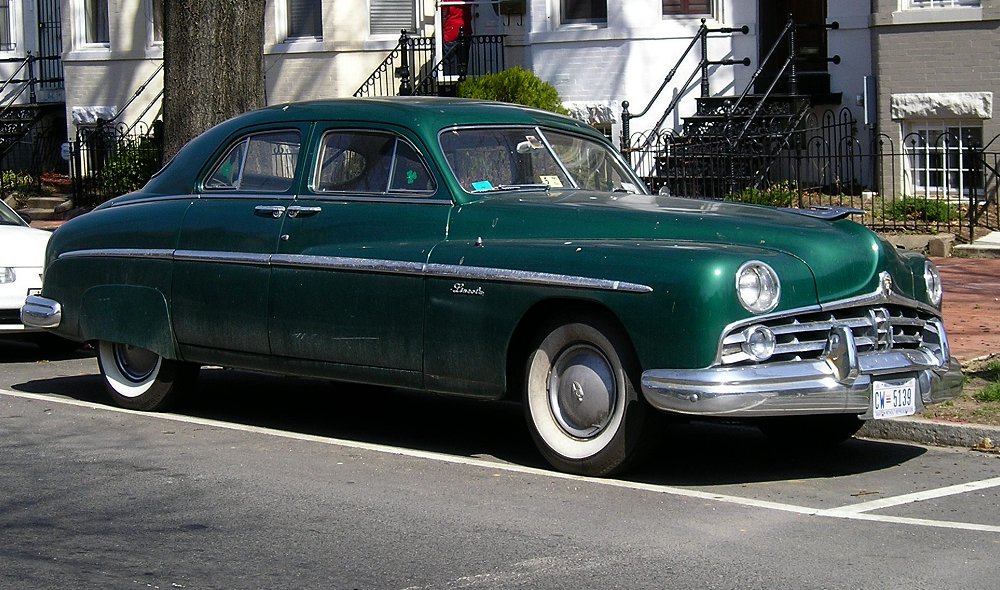
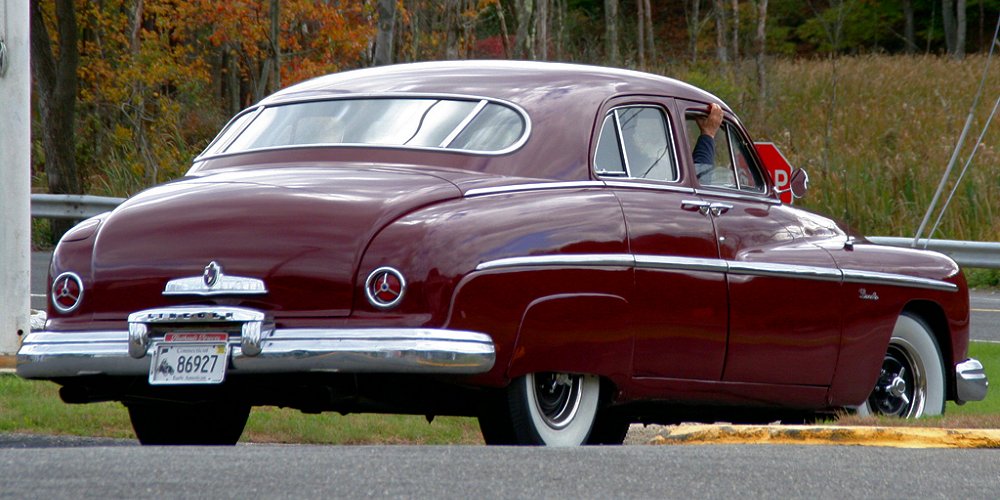
Stylistically, the Lincoln V8 Sport Sedan marked a new chapter in automotive design. Its bodywork, crafted by some of America’s most respected coachbuilders—including Brunn, Judkins, and LeBaron—reflected the emerging trend toward more aerodynamic, flowing forms. The car featured a long, sweeping bonnet, deeply crowned fenders, and a gracefully sloped rear deck. The upright radiator grille, now slightly raked, was flanked by large chromed headlamps and often crowned by the elegant greyhound mascot that had become synonymous with Lincoln. The beltline was lowered compared to earlier models, giving the car a more modern, athletic stance, while subtle chrome trim accentuated its proportions without overwhelming the design.
The Sport Sedan body style was characterized by its balance of formality and sportiness. It was a full four-door automobile, but with a gently tapering roofline and a narrower greenhouse that gave it a more streamlined, fastback-like profile. Many examples featured rear-hinged “suicide” doors, which opened opposite to the fronts, allowing graceful entry and exit for passengers. The rear quarter panels were often slightly curved, lending the car a sense of movement even at rest. It was a design that combined the stateliness of a luxury sedan with the energy and flair of a sporting coupé.
Inside, the Lincoln Sport Sedan maintained the marque’s reputation for understated luxury. The cabin was spacious and impeccably finished, with seating for five or six passengers in deep, softly sprung comfort. Upholstery options included high-quality leather or broadcloth, complemented by polished wood veneers and discreet nickel or chrome detailing. The dashboard featured a symmetrical layout with large, legible instruments and carefully machined controls, reflecting Lincoln’s precision engineering ethos. Every touchpoint—the door handles, window cranks, and switchgear—was designed to operate with smooth, mechanical precision.
On the road, the Lincoln V8 Sport Sedan delivered the kind of effortless, confident performance that defined the brand. The V8 engine provided a smooth surge of power with minimal noise or vibration, and the car’s long wheelbase gave it a sense of composure and grace over any surface. The ride was supple yet well-controlled, and the handling was remarkably balanced for a vehicle of its size. Drivers praised its light steering, excellent visibility, and quiet cabin, while passengers enjoyed the serenity and comfort that only a true luxury automobile could provide.
The Lincoln V8 Sport Sedan also reflected Edsel Ford’s growing influence on the company’s design philosophy. Where Henry Ford had focused primarily on mechanical reliability, Edsel emphasized aesthetics, proportion, and innovation. Under his guidance, Lincoln began collaborating with independent designers and coachbuilders to create cars that were as beautiful as they were technically advanced. The Sport Sedan stood as a prime example of this new direction—modern, elegant, and imbued with a sense of purpose.
Although production of the KA V8 models was limited due to the economic climate of the early 1930s, the Lincoln Sport Sedan made a lasting impression. It attracted discerning buyers who appreciated its blend of craftsmanship, performance, and timeless design. Priced around $4,000 at a time when a typical family car cost a few hundred dollars, it was an exclusive automobile aimed at a clientele that valued quiet prestige over ostentation.
Today, the Lincoln V8 Sport Sedan is remembered as one of the finest American luxury cars of its era. Collectors value it for its smooth V8 performance, exceptional build quality, and graceful coachbuilt styling. It represents a pivotal moment in Lincoln’s evolution—when the marque combined traditional craftsmanship with modern design to create cars that were both beautiful and mechanically refined.
The Lincoln V8 Sport Sedan remains a symbol of 1930s sophistication, a car that embodied the ideals of Edsel Ford’s vision for the brand: power without excess, elegance without pretense, and luxury expressed through balance and proportion rather than flamboyance. It stands as a testament to an age when automobiles were crafted not just as machines, but as works of art meant to move with grace, strength, and dignity.