Description
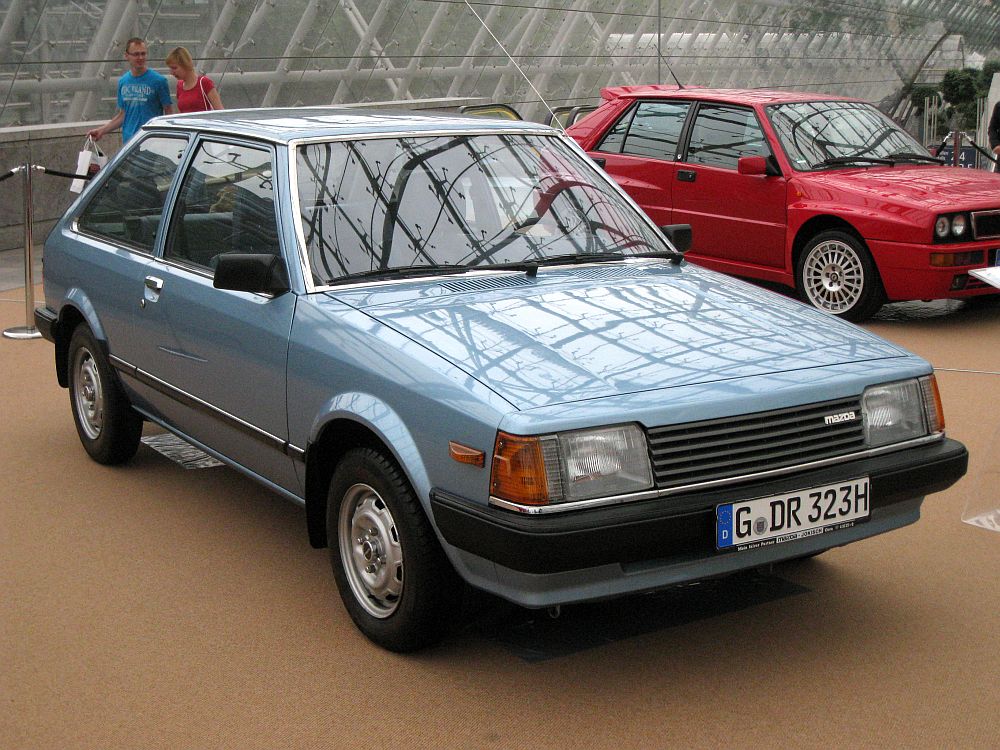
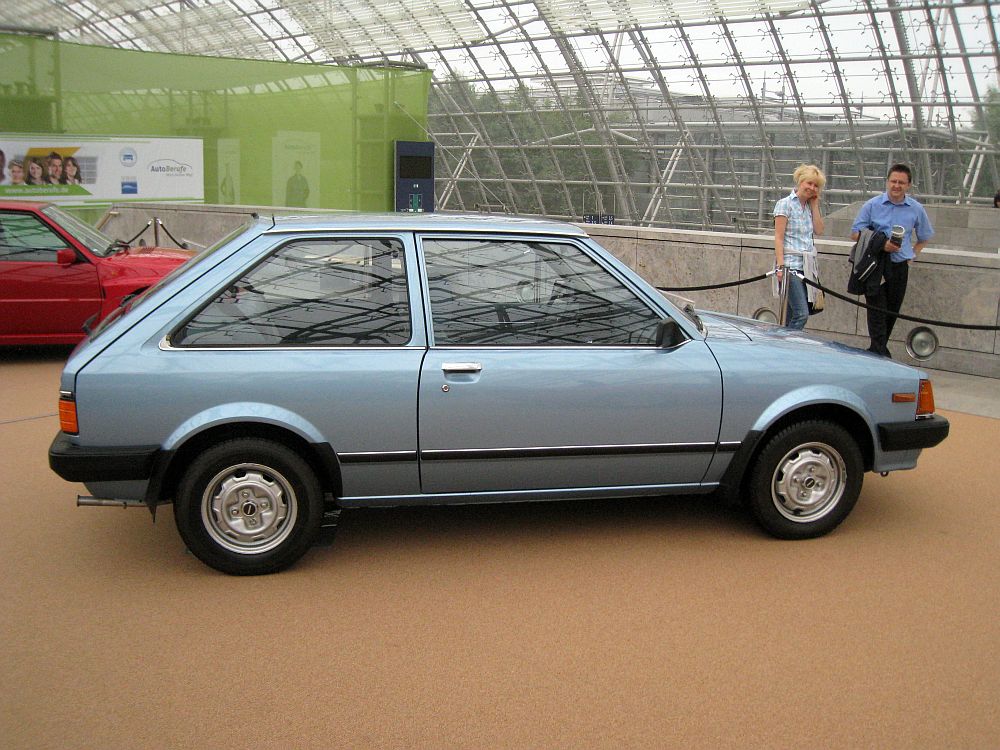
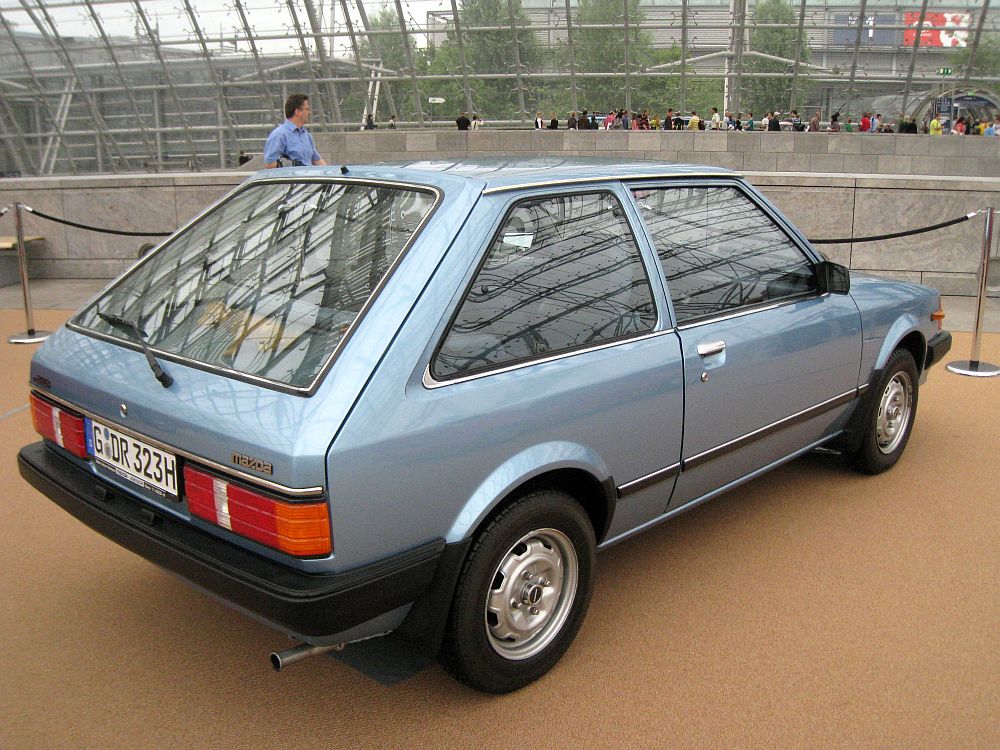
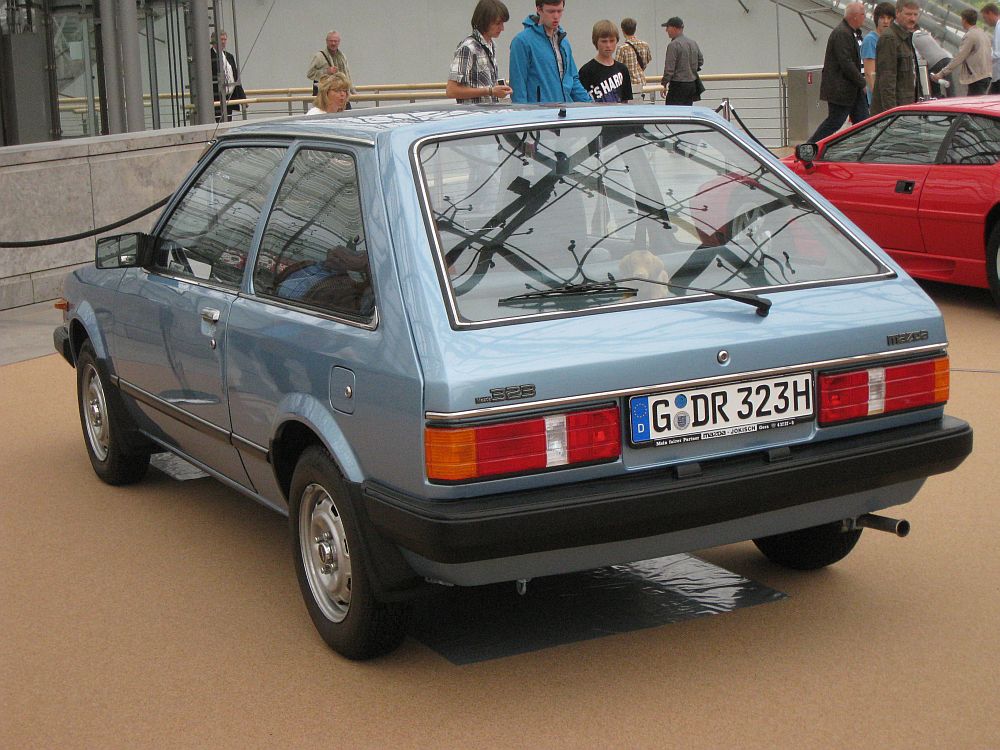
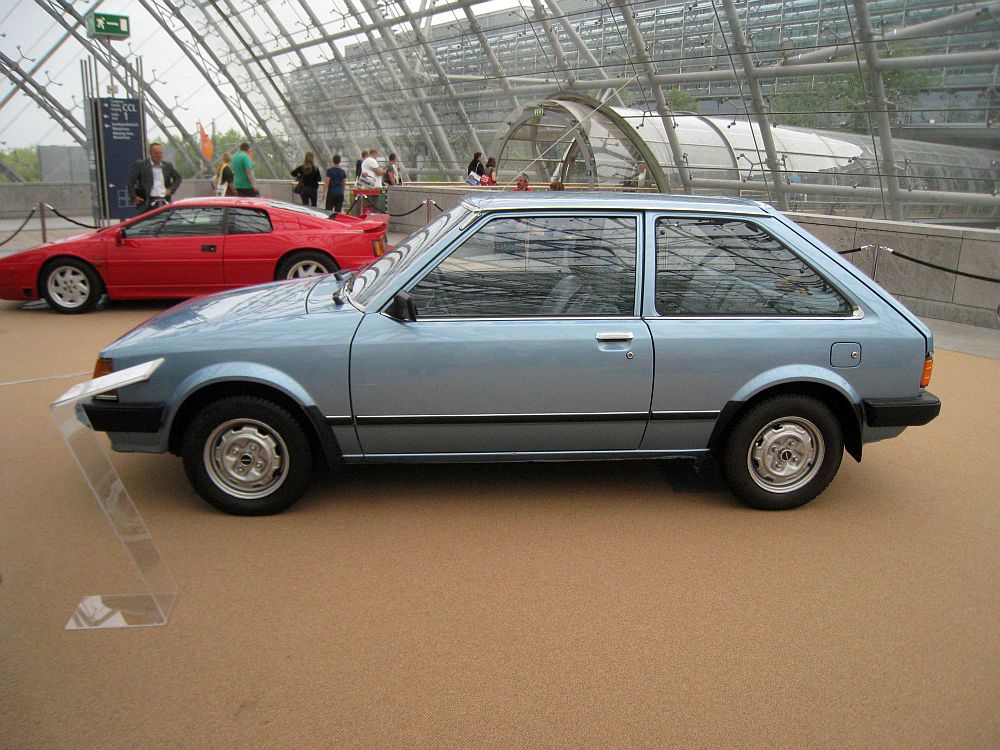
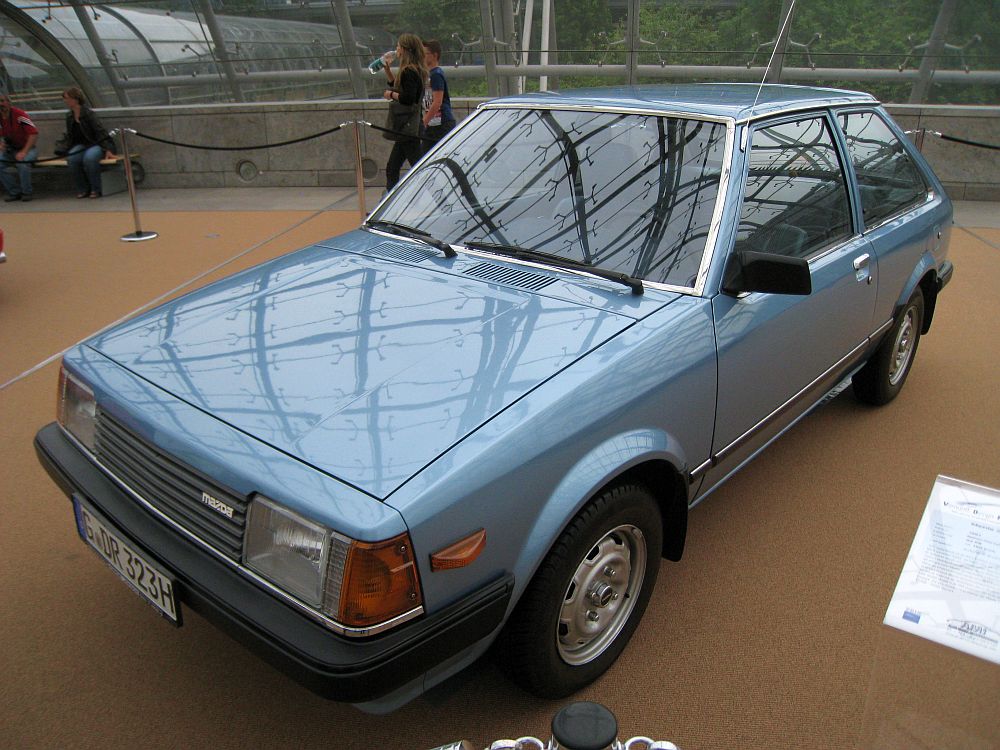
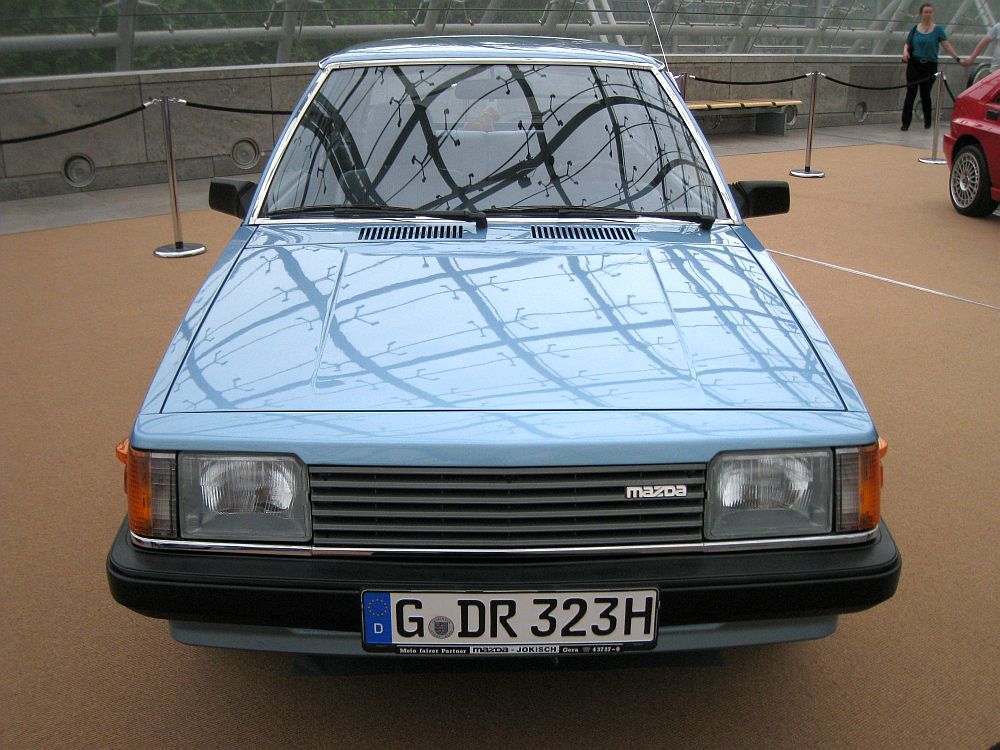
The Mazda 323 1.1 was one of the foundational versions of the first-generation 323, a model that marked Mazda’s transition into the modern, globally recognised compact-car market. Introduced in the late 1970s, the 323 replaced the long-running Familia series and was engineered to compete directly with the Toyota Corolla, Honda Civic and Datsun Sunny. The 1.1-litre version sat at the entry point of the range, offering an economical, honest and efficient small car that helped define Mazda’s reputation for producing durable, friendly and well-balanced compacts.
Power came from Mazda’s 1,116 cc E-series inline-four, a simple and robust overhead-cam engine designed for reliability and low running costs rather than performance. Producing just under 55 horsepower, it was modest but smooth, especially by the standards of the time. The E-series engine was known for its durability, clean power delivery and willingness to rev without harshness. Paired with a four-speed manual gearbox, it provided adequate acceleration for city driving and enough flexibility for light suburban and highway use. Fuel economy was excellent, a major selling point in an era when efficiency mattered greatly to family buyers.
The 323 1.1 was built on a lightweight monocoque chassis and offered a choice of front-wheel drive or, in some markets, rear-wheel drive during the transitional early production period. The front-drive versions became the standard layout for the range and helped Mazda refine the modern handling characteristics that would define future 323 generations. The suspension used independent MacPherson struts at the front and a simple, durable rear axle design that balanced comfort and stability. The 323 1.1 was not a performance car, but it felt tidy, predictable and reassuring on the road. Light steering, compact dimensions and excellent visibility made it an ideal commuter and first car.
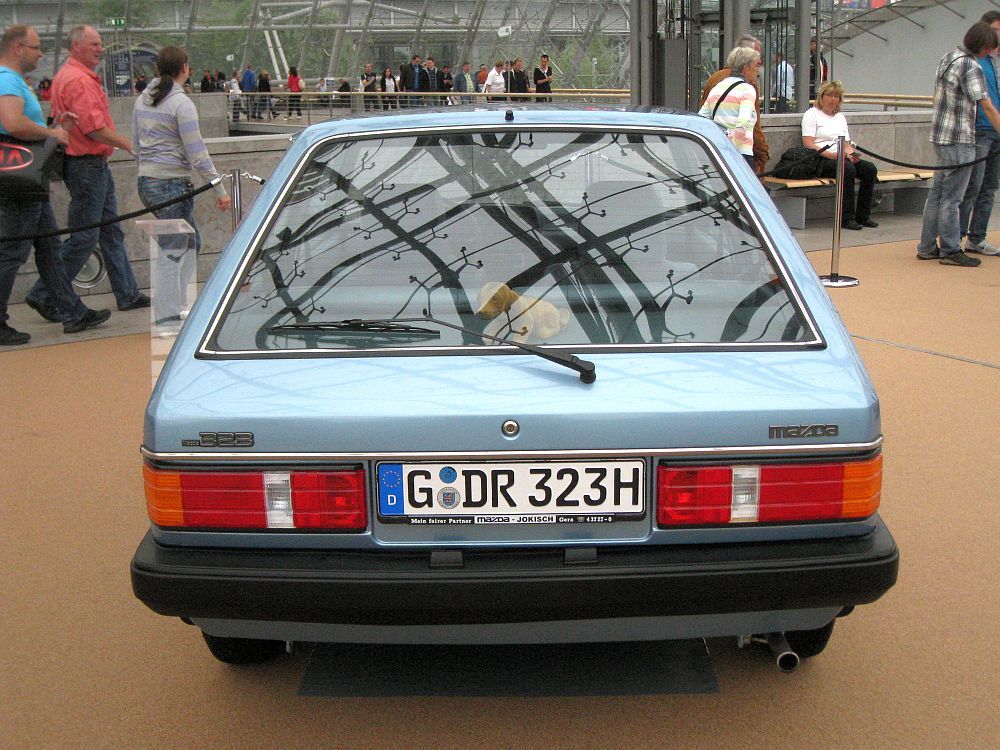
Styling reflected the clean, geometric design language of late-1970s Japanese compacts. With its crisp lines, upright cabin and practical hatchback or sedan forms, the 323 looked modern, efficient and unpretentious. The hatchback body style, in particular, was popular for its versatility, offering generous luggage space despite the car’s small footprint. The proportions were balanced and functional, giving the 323 a timeless simplicity that has aged well.
Inside, the 323 1.1 provided a straightforward, comfortable and well-packaged cabin. The upright seating position maximised headroom, and the large glass areas created a bright, airy interior. Materials were basic but tough, with vinyl upholstery and hard plastics chosen for longevity. The dashboard layout was clear and logical, and the instrumentation was simple but easy to read. Although modestly equipped, the 323 1.1 delivered exactly what small-car buyers expected: practicality, sensible space and ease of use.
On the road, the 323 1.1 was calm and competent. The engine’s smoothness gave it a refined character relative to many competitors, and the light chassis made the car feel responsive even with limited power. Ride quality was comfortable for everyday driving, and the car handled uneven roads with good composure. Its greatest strength was its balance: everything felt honest, predictable and well judged. The 323 1.1 earned a reputation for being hard to break, cheap to run and endlessly dependable.
The first-generation Mazda 323 quickly became a global success, and the 1.1-litre model played a key role in establishing Mazda’s international presence. It was widely exported, valued by drivers who needed simple and reliable transportation without unnecessary frills. The later, more powerful variants of the 323 would capture attention, but the 1.1 remained the backbone of the model’s early appeal.
Today, surviving examples of the Mazda 323 1.1 are rare, as most were used extensively and retired long ago. However, enthusiasts of early Japanese compacts appreciate the model for its honesty, durability and historical significance. As the entry-level heart of one of Mazda’s most important global nameplates, the 323 1.1 represents the beginning of a lineage that would shape Mazda’s identity for decades — a small, unassuming car that helped build a worldwide reputation for practicality, reliability and thoughtful engineering.