Description
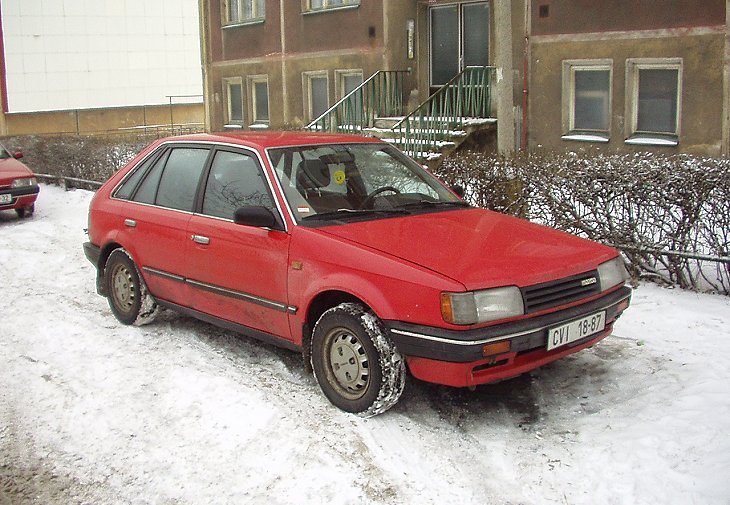
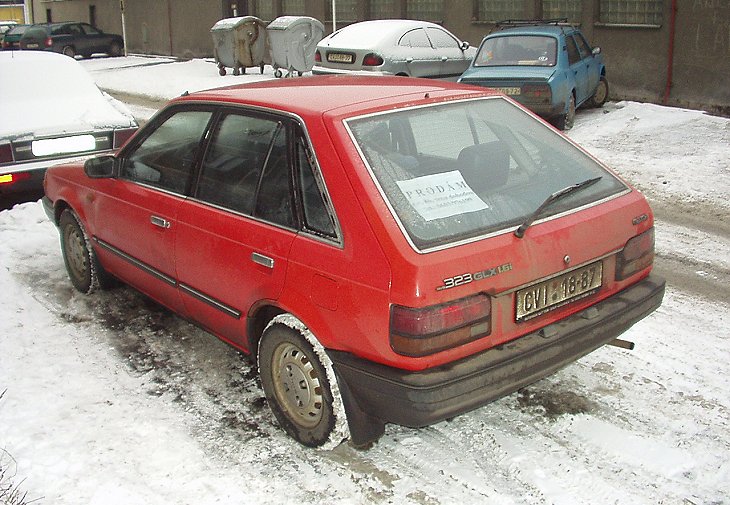
The Mazda 323 1.6i GLX was one of the most popular and well-balanced versions of the late-1980s and early-1990s 323 range, offering a blend of practicality, refinement and understated performance that helped make the model a global best-seller. Sold in many markets during the BG generation (1989–1994), the 1.6i GLX sat comfortably in the middle of the lineup, positioned as a step above the basic models but below the high-spec and performance variants. It became the choice for drivers who wanted something dependable and economical, yet noticeably more capable and better equipped than the entry-level versions.
Power came from Mazda’s B6 1597 cc inline-four engine, one of the company’s most proven and respected small-capacity units. With fuel injection and a clean, efficient breathing layout, the engine produced around 88–105 horsepower depending on market tuning. It was smooth, responsive and eager, offering stronger mid-range torque and a more relaxed motorway character compared with the smaller 1.3-litre derivatives. The B6 engine was widely praised for its refinement and durability, remaining one of Mazda’s core powerplants for many years. Paired with a five-speed manual gearbox or an optional automatic, the 323 1.6i GLX delivered quiet, flexible performance ideal for everyday use.
The chassis was a major strength of the BG-series 323. Built on a modern monocoque platform, it featured fully independent suspension with MacPherson struts at the front and Mazda’s sophisticated multi-link rear system. This layout gave the 323 unusually polished handling for a compact family car. The 1.6i GLX felt composed and surefooted on twisting roads, with light and accurate steering and a ride quality that blended comfort with taut body control. The balance of agility and stability became one of the defining traits of the BG generation, helping it earn a reputation as one of the best-driving cars in its class.
Styling for the 1.6i GLX followed the clean, rounded and aerodynamic design language of the early 1990s. The 323 offered a choice of hatchback or saloon forms depending on market, both characterised by smooth surfaces, compact proportions and a restrained, coherent shape. The GLX trim added subtle exterior enhancements such as body-colour bumpers, wheel trims or light alloy wheels and discreet badging. It was never flashy, but it had the quietly modern look that suited Mazda’s image at the time: functional, contemporary and neatly executed.
Inside, the 1.6i GLX delivered a comfortable and well-appointed cabin. The dashboard layout was ergonomic and uncluttered, with clear dials, intuitive switchgear and Mazda’s typically solid build quality. The GLX trim level meant buyers received more equipment than in the basic models, including features such as better upholstery, improved interior fabrics, a stereo system, power steering, and in some markets power windows or central locking. The seating position was upright and comfortable, and the car offered good interior space for passengers and luggage alike, especially in hatchback form. The atmosphere was simple but warm, reflecting Mazda’s focus on user-friendly design rather than ornamentation.
On the road, the 323 1.6i GLX struck an ideal balance between performance and economy. The engine was lively enough to make overtaking and motorway driving comfortable, yet frugal in everyday use. The suspension absorbed rough surfaces with ease, and the independent rear layout gave the car an impressively settled feel over bumps and during cornering. The GLX trim rewarded owners with a sense of refinement and solidity unusual in a compact car of its era. It was dependable, predictable and enjoyable to drive, whether in daily commuting or longer journeys.
The 1.6i GLX became a mainstay of Mazda’s compact-car strategy and contributed significantly to the strong reputation of the BG generation. It appealed to a wide range of buyers — families, commuters, and younger drivers — who valued reliability, value for money and a touch of polish without stepping into the performance-oriented GTX or GTI models. Its long service life and mechanical toughness helped cement Mazda’s reputation for producing sensible but well-engineered small cars.
Today, surviving Mazda 323 1.6i GLX models are appreciated for their dependability, simplicity and excellent driving manners. The BG series is increasingly recognised as one of Mazda’s best compact platforms, and the 1.6i GLX remains one of its most balanced and versatile variants. It is remembered as a quiet achiever: a compact family car that offered far more sophistication and capability than its modest appearance suggested.