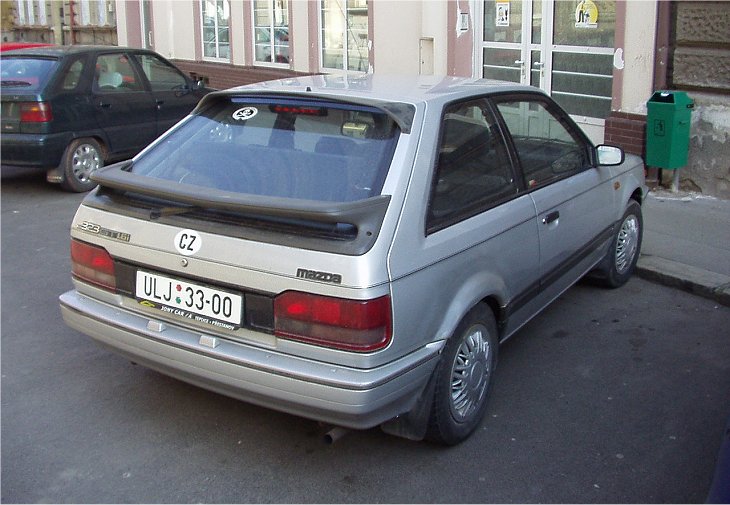
Description
The Mazda 323 GT 1.6i was one of the more spirited and driver-focused variants of the late-1980s and early-1990s 323 range, offering a livelier personality than the standard 1.6-litre models while stopping short of the high-performance GTX and GT-R turbo cars. Positioned as a sport-oriented trim within the BG generation (1989–1994), the 323 GT 1.6i combined the dependable engineering of the regular 323 with sharper styling, improved equipment and a more energetic driving character aimed at buyers who wanted something with a bit more flair and engagement without moving into full hot-hatch territory.
Power came from Mazda’s 1597 cc B6-series engine, the same basic unit used across much of the 323 lineup. In GT form the engine typically produced between 100 and 110 horsepower depending on market calibration. With multi-point fuel injection, a free-revving nature and smooth delivery, the B6 engine gave the 323 GT a stronger, more responsive feel than the milder 1.6-litre variants. It was lively without being temperamental, and paired with a five-speed manual gearbox that encouraged drivers to use the engine’s willing upper rev range. The combination made the GT noticeably quicker and more engaging than everyday models, yet still economical and easy to maintain.
The BG-series chassis was one of Mazda’s best compact platforms, and the 323 GT 1.6i took full advantage of its strengths. Fully independent suspension with MacPherson struts at the front and Mazda’s advanced multi-link rear system delivered a poised, agile and confidence-inspiring driving experience. The GT trim commonly included firmer suspension tuning, slightly sharper steering feel and uprated tyres or wheels, all contributing to a more controlled and connected sensation on the road. The car felt planted and willing through corners, retaining Mazda’s trademark balance between comfort and athleticism. Even without the turbocharged power of the GTX, the GT 1.6i stood out as a genuinely enjoyable driver’s car.
Styling updates gave the 323 GT a sportier, more assertive appearance. Depending on market, this often included deeper bumpers, side skirts, a subtle rear spoiler, body-colour trim and distinctive alloy wheels. The clean, rounded lines of the BG generation lent themselves well to these enhancements, giving the GT a purposeful but not overly aggressive look. It remained practical and understated, but with enough visual cues to distinguish it from the standard models.
Inside, the GT 1.6i featured a cabin with a slightly more sporting emphasis. Supportive seats, upgraded fabrics, a leather-trimmed steering wheel in many versions, and a more comprehensive instrument cluster helped create a driver-focused environment. The layout remained ergonomically clean and sensible, with the solid, high-quality switchgear typical of Mazda in this era. Equipment levels were generally higher than in the basic trims and might include features such as power steering, improved audio systems, electric mirrors or power windows depending on market specification. Despite its sportier character, the GT retained the 323’s excellent practicality, with good passenger space and useful luggage capacity.
On the road, the Mazda 323 GT 1.6i delivered a rewarding and enjoyable driving experience. The naturally aspirated B6 engine felt eager and smooth, offering strong mid-range pull and a spirited nature when revved. The suspension tuning allowed the car to corner confidently without sacrificing ride comfort, making it well suited for both enthusiastic driving and everyday commuting. Steering response was crisp, body control was excellent, and the GT made full use of its low weight and well-balanced chassis. It captured much of the driving pleasure of Mazda’s sportiest models while remaining affordable to own and run.
The 323 GT 1.6i fit neatly into Mazda’s broader strategy of offering a wide range of variants to meet different buyer needs. It provided a compelling blend of practicality, dependability and youthful energy that appealed especially to younger drivers or enthusiasts who wanted a capable driver’s car without the insurance and running costs of a turbocharged model.
Today, the Mazda 323 GT 1.6i is appreciated among fans of classic Japanese compacts for its balance, reliability and quietly engaging performance. While overshadowed historically by the more extreme GTX and GT-R, the GT 1.6i stands out as one of the most complete and enjoyable non-turbo 323 variants. With its lively engine, sharp chassis and understated style, it remains an excellent example of Mazda’s talent for building small cars that are far more rewarding to drive than their modest specifications suggest.