Description
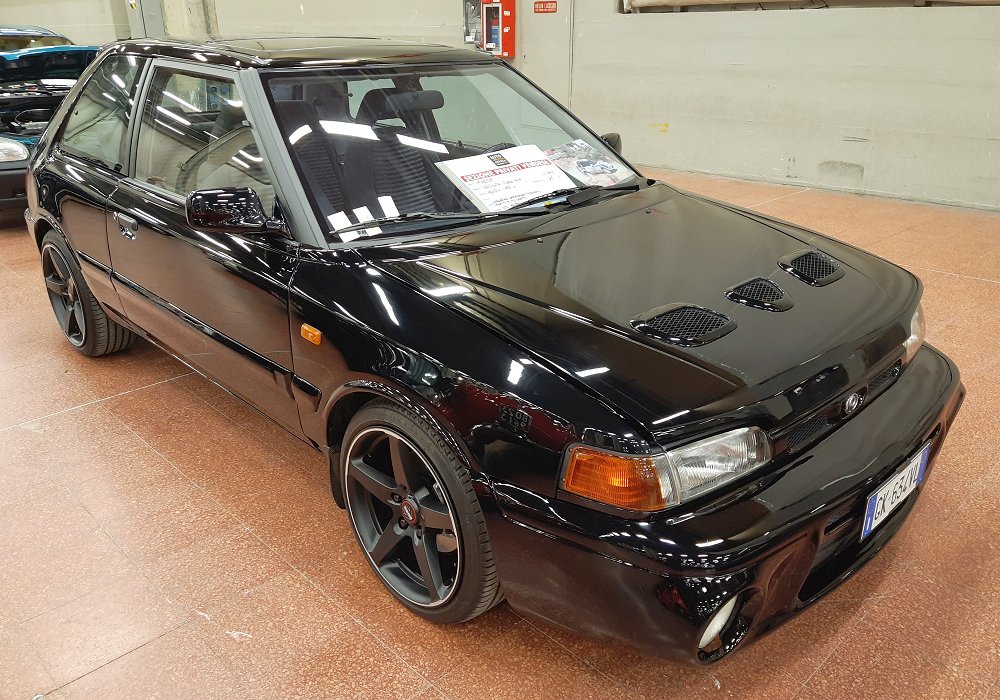
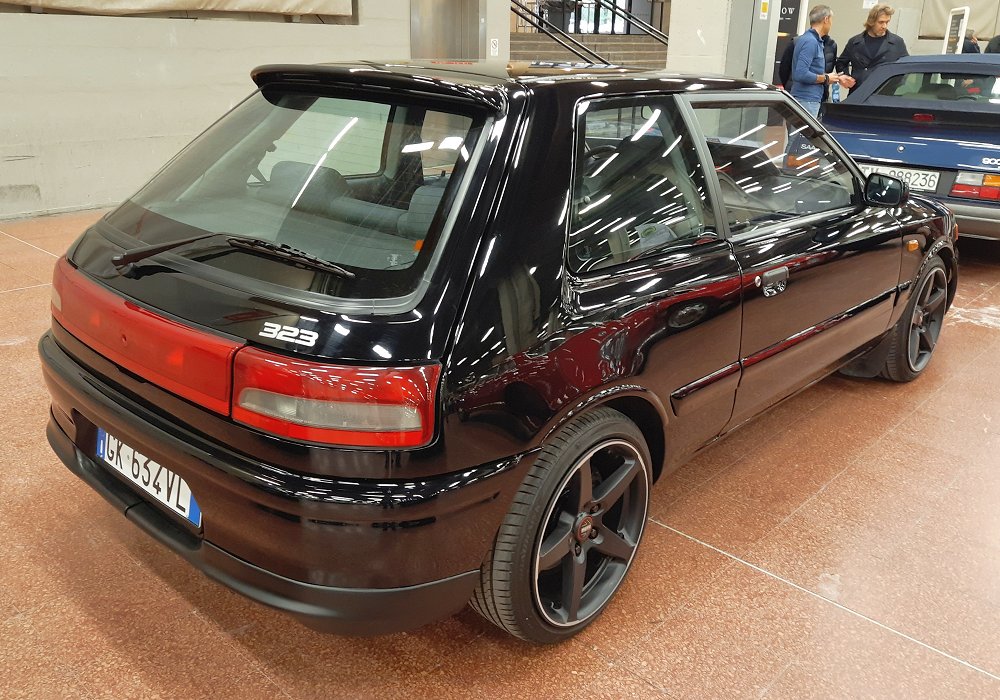
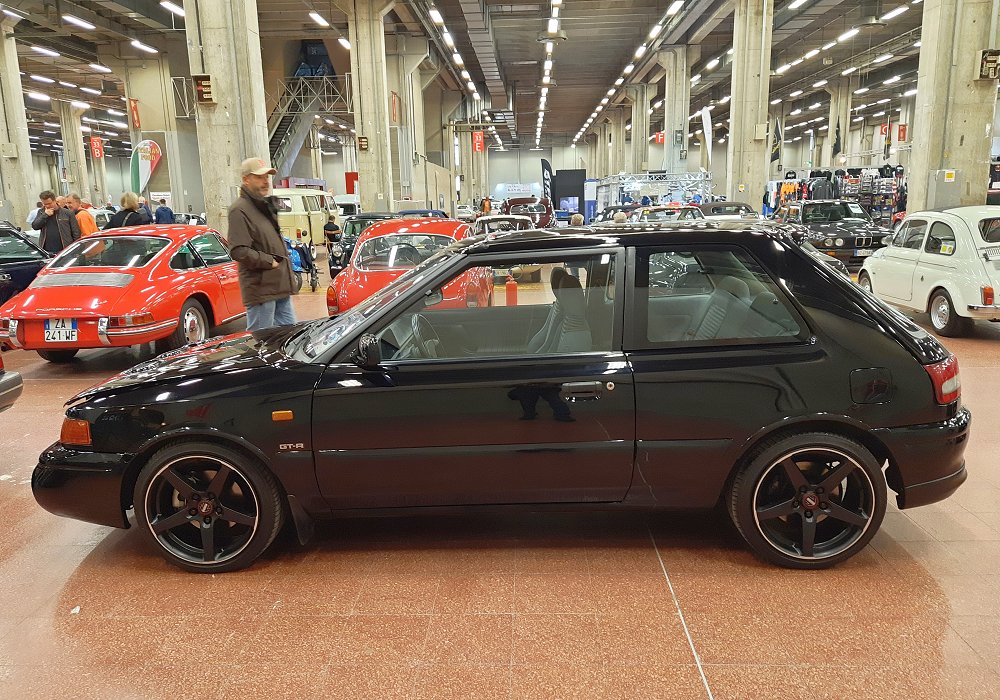
The Mazda 323 GTR Turbo 4×4 was the most extreme, highly engineered and motorsport-focused version of the entire 323 family, created specifically as a Group A rally homologation special. Produced in very limited numbers between 1992 and 1993, the GTR represented the peak of Mazda’s compact performance programme and stood as the direct successor to the famed 323 GTX. Where the GTX was already a formidable turbocharged, four-wheel-drive machine, the GTR pushed every aspect further, giving Mazda a car capable of taking on the very best of its rally-inspired rivals such as the Subaru Impreza WRX, Toyota Celica GT-Four and Lancia Delta Integrale. Compact but ferociously capable, it remains one of Mazda’s rarest and most desirable performance icons.
Power came from a heavily revised version of Mazda’s B6T engine, reworked extensively for GTR duty. This 1597 cc turbocharged DOHC four-cylinder used a larger turbocharger, improved intercooler, strengthened internal components and revised engine management to produce around 210 horsepower in road trim — a huge figure for such a small displacement in the early 1990s. The engine delivered explosive mid-range torque and a wide, aggressive powerband that made the GTR feel urgent and intense even compared to contemporary turbocharged rivals. A close-ratio five-speed manual gearbox with reinforced gears allowed the driver to exploit the engine’s full potential, and the combination produced acceleration far beyond that of the standard 323 models.
The drivetrain was equally serious. Mazda fitted the GTR with a full-time four-wheel-drive system featuring a viscous centre differential and a limited-slip rear differential. This setup provided the traction and stability needed for rally competition, allowing the GTR to launch with authority and maintain grip on loose or wet surfaces. The system’s tuning gave the car a decisive, planted feel during hard cornering and rapid acceleration, making it capable of handling the engine’s substantial boost pressure without drama. The matching of turbo power and 4×4 hardware made the GTR one of the most confidence-inspiring small performance cars of its era.
The chassis was significantly upgraded compared with the GTX. Mazda re-engineered the BF platform with stiffer suspension components, uprated dampers, reinforced subframes and thicker anti-roll bars. The GTR also received unique brakes, including ventilated front discs with high-performance pads and improved cooling. Wide tyres and lightweight alloy wheels gave the car exceptional road grip, while subtle suspension geometry changes sharpened its responses. The result was a compact hatchback that felt razor-sharp, composed and extremely capable at high speeds, with handling that fully matched its engine performance.
The exterior styling left no doubt about the GTR’s purpose. The body wore widened arches, deep bumpers, functional cooling ducts, bonnet vents, extended side skirts and a rally-inspired rear spoiler. These features were not decorative: many were required for homologation to accommodate changes needed for competition versions. The GTR sat lower and broader than other 323 variants, giving it a squat, muscular stance that clearly communicated its performance intentions. Its look was purposeful and technical rather than flamboyant — a compact car designed to function at racing speeds rather than merely appear sporty.
Inside, the cabin combined everyday practicality with performance-focused details. Supportive bolstered seats, a leather-rimmed steering wheel and clear instrumentation with turbo-related gauges gave the driver a serious, focused environment. The layout remained typically Mazda: functional, intuitive and uncluttered. While not luxurious, the interior felt tight and well built, and the car maintained its usability as a small hatchback with folding rear seats and decent luggage space. The emphasis was always on function, control and durability.
On the road, the 323 GTR Turbo 4×4 delivered a driving experience of remarkable intensity. The turbocharger came on strongly, pushing the car forward with a force that surprised drivers accustomed to naturally aspirated engines of the period. The four-wheel-drive system allowed the GTR to deploy this power cleanly, giving immense traction out of corners and exceptional stability on slippery surfaces. Steering was direct and communicative, the suspension kept the car flat and composed, and the chassis encouraged the driver to push harder. Whether on twisting mountain roads or wet tarmac, the GTR felt secure, eager and deeply rewarding — a compact performance machine with the heart of a rally car.
The GTR was produced in very small numbers, making it far rarer than the already scarce GTX. Mazda built it primarily to satisfy Group A rally regulations, and although it saw limited use in international competition, the engineering knowledge gained from the project heavily influenced Mazda’s approach to high-performance powertrains. The car’s rarity and capability have made it one of the most coveted Mazda models ever built.
Today, the Mazda 323 GTR Turbo 4×4 is considered a collector’s gem. Its combination of turbocharged power, sophisticated four-wheel-drive engineering, aggressive rally-bred styling and remarkable rarity has earned it an almost mythical reputation among Japanese performance-car enthusiasts. It stands as the most extreme evolution of Mazda’s 323 line — a compact, fierce, brilliantly engineered machine built for motorsport first and the road second, capturing a moment in Mazda’s history when the company was willing to push the limits to compete with the world’s best.