
Description
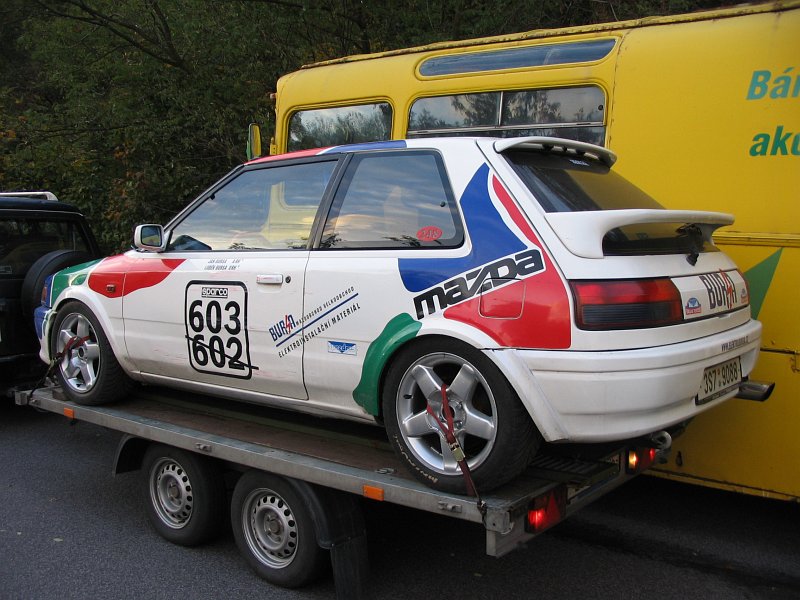
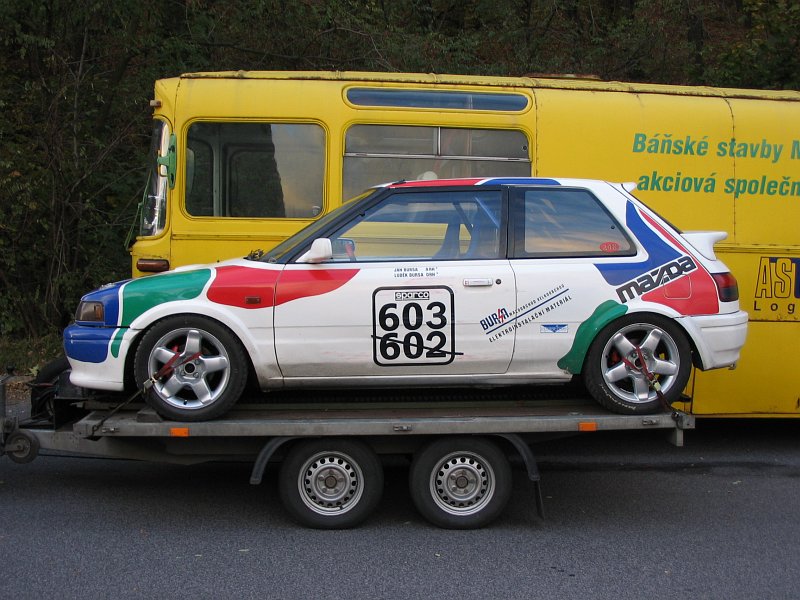
The Mazda 323 GTX was one of the most exciting and influential performance hatchbacks of the late 1980s, created explicitly to homologate Mazda’s rally programme and give the company a serious contender in the world of international motorsport. Produced during the BF generation between 1986 and 1989, the GTX elevated the 323 from a sensible compact into a turbocharged, four-wheel-drive weapon designed to compete with cars such as the Toyota Corolla GT-Four, Lancia Delta HF Turbo and Volkswagen Golf G60. Compact, rugged and brimming with engineering purpose, it became one of Mazda’s great enthusiast icons and laid the groundwork for the even more extreme 323 GT-R that followed.
The heart of the 323 GTX was Mazda’s B6T engine, a turbocharged 1597 cc DOHC four-cylinder that produced around 140 horsepower in standard road trim. Compact and extremely robust, the B6T delivered strong low-end torque and a broad, energetic mid-range that made the GTX feel eager and responsive in almost any gear. The turbocharger gave a characteristic surge as boost came in, yet the engine remained smooth and refined in normal driving. A five-speed manual gearbox with short, precise throws completed the powertrain, giving drivers full control over the engine’s lively characteristics. The combination made the GTX a genuinely quick car for its time, especially considering its modest size and weight.
The car’s most important engineering feature was its permanent four-wheel-drive system. Designed with rally competition in mind, it used a centre differential with viscous coupling to distribute torque automatically between the front and rear axles. This gave the GTX exceptional traction on gravel, snow and wet tarmac, allowing it to put its turbocharged power to the ground with remarkable stability. The system gave the car a planted, confident feel, especially at speed, and allowed it to exploit its chassis balance far more effectively than a conventional front-wheel-drive hot hatch.
The chassis itself was carefully developed for performance use. The BF platform used independent MacPherson struts at the front and Mazda’s reinforced rear suspension layout adapted for 4WD hardware. Stiffer springs, firmer dampers and wider tyres gave the GTX crisp turn-in response and impressive body control. The car felt agile and compact, with predictable handling that suited both fast road driving and rally-style loose-surface conditions. Ventilated front discs and solid rear discs provided strong braking, completing a package that felt cohesive and capable in hard use.
Styling was purposeful without being excessive. The GTX shared the clean, angular lines of the BF 323 but added clear visual cues to its performance mission. These included flared wheel arches, unique alloy wheels, deeper bumpers, side skirts and a subtle rear spoiler. The result was a compact hatchback that looked ready for competition without the flamboyance seen in some contemporary rivals. It carried a purposeful stance, hinting at the engineering depth hidden beneath its modest dimensions.
Inside, the 323 GTX was functional and focused. Supportive seats, a clear instrument cluster with a prominent tachometer and turbo-related gauges, and durable materials created a cabin designed for spirited driving rather than luxury. The ergonomics were excellent, with good visibility, an ideal driving position and straightforward controls. While not plush, the interior had a seriousness appropriate to a homologation-based performance machine, yet retained the practicality of a small hatchback with folding rear seats and usable load space.
On the road, the GTX delivered a driving experience that set it apart from ordinary performance hatchbacks of its era. The turbocharged engine responded eagerly, especially in the mid-range, and the 4WD system made the car feel secure and controllable even in poor weather. The steering was communicative, the suspension absorbed rough surfaces well and the overall balance encouraged drivers to push the car harder. Whether carving through mountain roads, tackling winter conditions or simply accelerating confidently onto a motorway, the GTX felt composed, capable and enthusiastic.
The 323 GTX’s significance extended well beyond the road. It served as Mazda’s platform for Group A rally competition, where its strong structure, reliable turbo engine and 4WD system allowed it to compete with more powerful rivals. The experience gained from campaigning the GTX directly influenced the creation of the 323 GT-R — Mazda’s ultimate rally homologation special — and contributed to the company’s motorsport development throughout the late 1980s and early 1990s.
Today, the Mazda 323 GTX is a rare and highly respected classic. Many were used hard, modified or rallied, and surviving examples are prized for their engineering honesty, performance pedigree and the unmistakable mechanical character of early turbocharged, four-wheel-drive machines. Compact, tough and exhilarating, the GTX remains one of Mazda’s most memorable and important performance cars — a true rally-bred hatchback with enduring appeal.