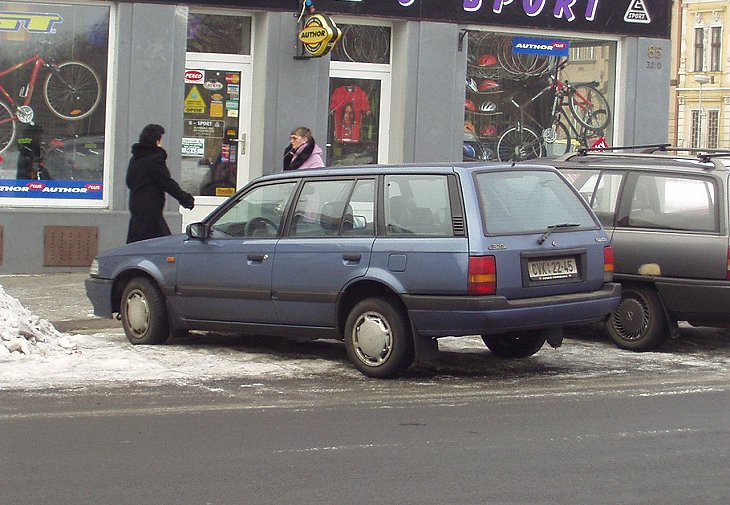
Description
The Mazda 323 Kombi 1.6i GLX was one of the most practical and well-rounded variants of the BG-generation 323, offering the same refined engineering and pleasant driving manners as the hatchback and saloon models but with additional carrying capacity and everyday versatility. Produced between 1989 and 1994, the Kombi (Mazda’s term for the estate or wagon body) provided families, tradespeople and long-distance drivers with a compact car that blended reliability, economy and space in a way few small wagons of the period could match. In GLX specification and powered by the 1.6-litre engine, it became one of the most balanced models in the lineup.
The 323 Kombi 1.6i GLX used Mazda’s respected B6 1597 cc inline-four engine, a smooth, economical and long-lived unit that produced between 88 and a little over 100 horsepower depending on regional tuning. The engine was known for its refinement and willingness to rev cleanly without strain, giving the Kombi a relaxed and flexible feel in everyday driving. Paired with a five-speed manual gearbox or an optional automatic, the 1.6 offered enough power for motorway cruising and overtaking while remaining impressively frugal around town. The B6 engine’s reputation for durability and low maintenance made it especially valued in estate form, where owners often expected long service lives and heavy day-to-day use.
Underneath, the Kombi retained all the strengths of the BG-series platform. Mazda equipped the model with fully independent suspension, using MacPherson struts at the front and a sophisticated multi-link rear system that was far more advanced than the beam axles found in many rival small estates. This gave the 323 Kombi an unusually composed and stable ride, with a balance between comfort and precision that impressed reviewers and owners alike. The longer rear overhang and extended roofline of the estate body provided excellent load capacity without adversely affecting handling, and the car remained agile, predictable and easy to drive in all conditions.
The styling followed the clean, aerodynamic design language of the BG generation. The Kombi body added a long, square-topped rear section with large windows and a wide-opening tailgate, giving the car a purposeful and practical look. Its proportions remained neat and compact, avoiding the bulkiness sometimes seen in small estates of the time. In GLX trim, exterior details such as body-colour bumpers, tasteful wheel designs and discreet badging gave the Kombi a smart, tidy appearance that suited both family and professional use.
Inside, the 323 Kombi 1.6i GLX offered one of the most spacious and useful cabins in the compact class. The upright seating position and large glass area created an airy, comfortable environment, and the rear load area was generous, flat-floored and easy to access through the wide tailgate. With the rear seats in place, the car offered excellent day-to-day practicality; with the seats folded, the Kombi transformed into a surprisingly capable small hauler, able to carry bulky items, luggage for long family trips or equipment for work. The interior materials were durable and well assembled, and the GLX specification typically added upgraded fabric, improved dashboard trim, a stereo, power steering and a sensible array of comfort features.
On the road, the 323 Kombi 1.6i GLX delivered a relaxed and confident driving experience. The engine was quiet and efficient, the suspension absorbed rough surfaces with ease, and the steering was light yet precise. The car felt stable at higher speeds and pleasantly nimble in town, remaining one of the more enjoyable compact estates to drive in its era. Its combination of lightness, good visibility and predictable road manners made it a favourite among owners who needed practicality but did not want to sacrifice refinement or driving pleasure.
The 323 Kombi range played an important role in Mazda’s strong European sales during the early 1990s. It provided an appealing alternative to more utilitarian rivals, offering estate practicality without the compromises often associated with compact wagons. The 1.6i GLX model, in particular, became a dependable choice for families, commuters and small businesses that valued reliability, comfort and sensible running costs.
Today, surviving Mazda 323 Kombi 1.6i GLX models are uncommon, as many served long and hardworking lives. Among enthusiasts of Japanese cars from this era, however, the Kombi is admired for its understated competence, generous interior space and the remarkable sophistication of its chassis. As a durable, honest and genuinely well-engineered compact estate, it stands as one of the most quietly impressive models in the BG-series 323 family.