Description
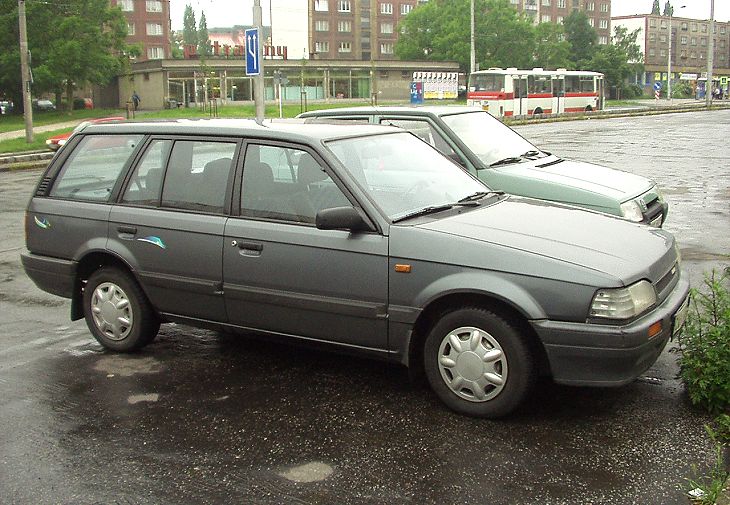
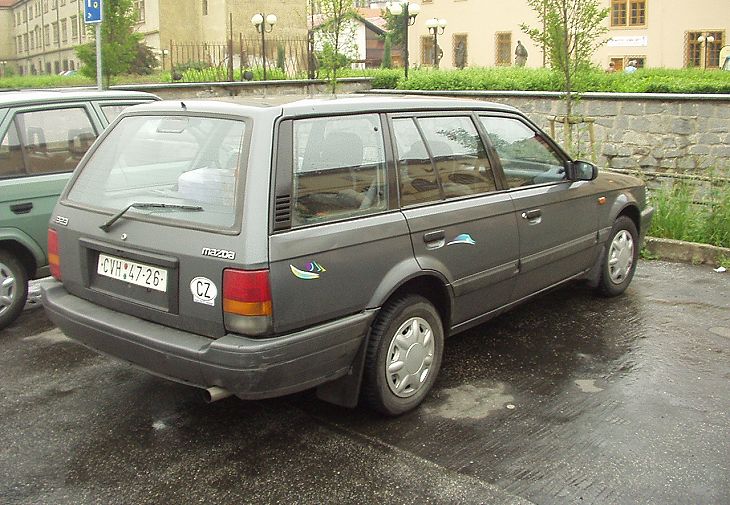
The Mazda 323 Kombi 1.8 Diesel was the durable, long-legged workhorse of the BG-generation 323 estate range, offering the ruggedness and economy of a diesel engine combined with the practical, well-engineered chassis that made this generation of Mazda one of the best compact cars of its era. Produced between 1989 and 1994, the 1.8 Diesel Kombi became a favourite among high-mileage drivers, small businesses and families who valued reliability, load-carrying ability and low running costs above outright performance. While less glamorous than the petrol-powered 1.6i or the sporty 4WD turbos, the 1.8 Diesel earned respect for its honesty, stamina and mechanical simplicity.
Power came from Mazda’s 1769 cc PN-series diesel engine, a naturally aspirated inline-four designed for durability rather than speed. With an output of around 57–60 horsepower, it offered modest acceleration but excellent fuel efficiency and outstanding longevity. The engine was known for its sturdy construction, straightforward mechanical layout and ability to run reliably for very high mileages with basic maintenance. It produced the characteristic diesel torque low in the rev range, giving the Kombi a steady, unhurried feel on the road. Paired with a five-speed manual gearbox, the 1.8 Diesel was geared for cruising and economy rather than rapid performance, but its ability to endure long-distance use made it extremely popular among cost-conscious buyers.
The 323 Kombi’s chassis remained one of the strongest assets of the model. The BG platform used fully independent suspension, with MacPherson struts at the front and Mazda’s multi-link rear system — a layout that put it ahead of many competitors relying on simpler beam axles. Even with the heavier diesel engine and estate body, the Kombi retained the excellent ride comfort and composed, well-balanced handling for which the 323 was widely praised. The suspension soaked up poor roads with ease, and the car maintained surefooted behaviour whether lightly loaded or carrying a full boot of equipment. Its steering was light, visibility was excellent, and the diesel’s torque made urban and country driving easy, even if not quick.
The Kombi body style gave the car its defining practicality. With its extended roofline, large side windows and long, squared-off rear section, the estate offered impressive interior space and a wide-opening tailgate that made loading effortless. The rear seats folded to create a long, flat cargo floor capable of swallowing furniture, tools, luggage or trade equipment, making the diesel Kombi especially appealing for those who needed both a family car and a dependable small van in one package. Despite its utility, the design remained clean and contemporary, following the rounded, aerodynamic lines of the BG generation.
Inside, the 323 Kombi 1.8 Diesel provided a simple, functional and comfortable environment. Materials were tough and long-lasting, able to withstand hard use, and the dashboard layout was clear and sensibly arranged. The upright seating position created excellent headroom, and the cabin felt airy thanks to the estate’s generous glazing. Equipment levels depended on trim, but most diesel Kombi versions offered power steering, a heater with strong diesel-friendly ventilation, and durable seat fabrics designed for long service lives. The focus was always on dependability and practicality rather than luxury.
On the road, the Kombi 1.8 Diesel offered steady, predictable performance. The engine delivered its power smoothly and quietly for a diesel of its time, and although acceleration was leisurely, the car excelled in long-distance economy and reliability. It cruised contentedly at moderate motorway speeds and handled daily commuting with no fuss. The combination of low running costs, good load-carrying ability and Mazda’s reputation for durability made it a favourite for rural drivers, small businesses and anyone who needed a dependable, no-nonsense estate.
The 323 Kombi 1.8 Diesel played an important role in Mazda’s European market success. It competed well against diesel rivals from Volkswagen, Peugeot and Opel, offering Japanese reliability and a surprisingly sophisticated chassis at a very competitive price. Many examples served long careers as family haulers, delivery vehicles or fleet cars, often far exceeding expectations for lifespan.
Today, surviving 323 1.8 Diesel Kombis are rare because most were used extensively and retired only after very high mileage. Among enthusiasts of practical classic Japanese cars, however, they are valued for their toughness, mechanical simplicity and the quietly excellent engineering of the BG platform. As a dependable and versatile compact estate, the Mazda 323 Kombi 1.8 Diesel stands as one of the most hardworking and underrated members of the 323 family — a model that proved reliability and practicality could be every bit as compelling as performance.