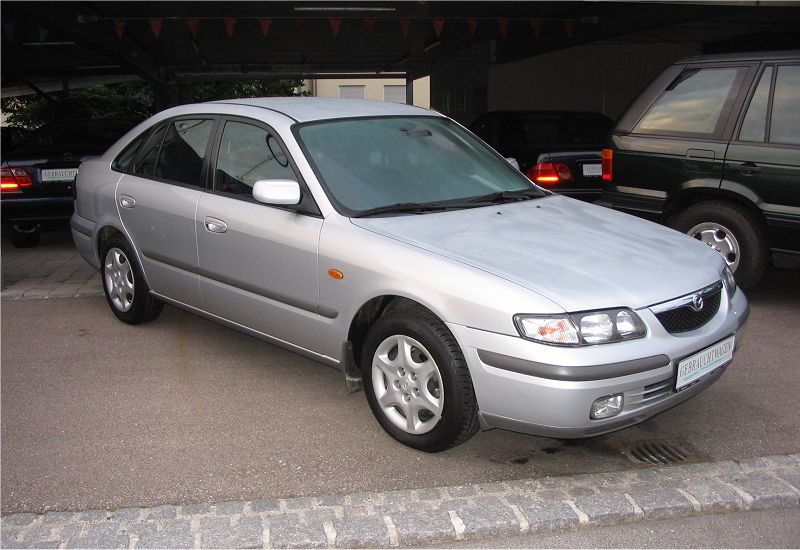
Description
The Mazda 626 2.0 was one of the central, best-balanced models in both the GC (1982–1987) and GD (1987–1992) generations of Mazda’s midsize range, and in many markets “2.0” served as the dependable, well-rounded choice for drivers who wanted more power than the 1.6 or 1.8 models without the performance emphasis or higher costs of the GT or V6 versions. Across both generations the 2.0-litre cars earned a strong reputation for durability, refinement and practical everyday usability, making them some of the most popular 626 variants globally.
Power came from Mazda’s FE-series 1998 cc four-cylinder engine, one of the company’s most respected units of the 1980s and early 1990s. In GC models the 2.0 engine was typically carburetted, producing around 100–110 horsepower, while GD versions adopted fuel injection in most markets, giving smoother running, better low-end torque and output in the 110 hp range. The FE engine was valued for its longevity, its smooth operation and its broad, flexible power delivery. It was not designed for high-revving excitement but for quiet, dependable performance suited to commuting, touring and general daily use. It paired with a light, precise five-speed manual gearbox, though many markets offered a three-speed (GC) or four-speed (GD) automatic for buyers seeking relaxed driving. In both forms the drivetrain was known for remarkable durability.
The chassis differed slightly between generations, but both GC and GD 626 models were praised for their balance and refinement. The GC used MacPherson struts at the front and a coil-sprung live rear axle, which gave a stable, predictable and comfortable ride. The later GD platform stepped up significantly by adding fully independent suspension on all models, using MacPherson struts at the front and Mazda’s advanced Twin-Trapezoidal Link rear setup. This made the GD-series 626 one of the best-riding and most composed cars in its class, especially when paired with the smooth, torquey 2.0 engine. Steering in both generations was light and consistent, and the overall feel of the car was mature, secure and confidence-inspiring.
Styling also changed between the two eras but remained clean, proportionate and unfussy. The GC generation featured angular early-1980s lines with slim bumpers, rectangular headlamps and a crisp profile available in saloon, hatchback and coupé formats. The GD generation introduced a more rounded, aerodynamic shape with smooth body surfaces, a lower beltline and a more modern nose design. In both generations the 2.0 models usually included colour-coded trim, upgraded wheel designs and discreet badging. Mazda’s restrained, timeless approach to styling helped these cars age well, and today they remain recognisable examples of Japanese design clarity.
The interior of the 626 2.0 was always a strong point. Mazda focused heavily on ergonomics and comfort, producing cabins with excellent visibility, wide and supportive seats and dashboards laid out with clear instruments and logical controls. The GC interiors were simple but robust, while the GD models offered softer materials, more sculpted shapes and a more premium feel overall. Equipment varied by market, but most 2.0-litre models included power steering, a quality stereo, adjustable seating, effective ventilation, and in many cases central locking, electric windows or air conditioning. The hatchback versions offered exceptionally practical luggage space, while saloons delivered a more traditional feel without losing everyday usability.
On the road the Mazda 626 2.0 delivered a driving experience characterised by smoothness, quietness and unpretentious competence. The FE engine provided steady torque for city and motorway driving, the chassis absorbed bumps with poise, and the car maintained a planted, settled feel even at higher speeds. It was not a sporting car unless specified as a GT, but it offered exactly the kind of reassuring, effort-free performance that many family and company-car buyers preferred. Its refinement stood out especially in the GD generation, where the fully independent suspension gave it a composure rivalling far more expensive European competitors.
The 626 2.0 was one of Mazda’s most important global models. It gave buyers a midsize car that was reliable, economical to own and pleasant to drive, and it helped the brand build its reputation for strong engineering and long-term durability. Many examples covered very high mileages thanks to the FE engine’s reputation for toughness and the robust chassis design.
Today the Mazda 626 2.0 is less common on the road, but it remains appreciated among enthusiasts for its honesty, mechanical strength and well-balanced character. As one of Mazda’s most versatile and widely trusted midsize offerings of the 1980s and early 1990s, it stands as an understated but significant piece of the brand’s history.