
Description
The Mazda 626 2.0i was one of the most important and widely purchased versions of the late-1980s GD-generation 626, offering a refined balance of performance, comfort and everyday usability. Positioned above the 1.8-litre entry models and below the more specialised 2.2-litre and 16-valve GT variants, the 2.0i struck the ideal middle ground for buyers who wanted smooth, flexible performance without the higher running costs of a sporting model. Available as a saloon, hatchback and estate in most markets, it became a core part of Mazda’s strong European and Oceania presence during the late 1980s and early 1990s.
Power came from Mazda’s FE-series 1998 cc single-overhead-cam engine, one of the company’s most respected units of the era. With fuel injection — the “i” designation — the engine produced around 110 horsepower depending on market. It delivered noticeably more mid-range torque than the carburetted 626 models and ran with a smooth, refined character that made it perfectly suited to both urban driving and long-distance cruising. Mazda’s FE engine family was renowned for durability and quiet operation, and in 2.0i form it provided a calm, responsive and dependable power delivery. Most examples came with a five-speed manual gearbox that shifted cleanly and lightly; a four-speed automatic was available in many markets for buyers who prioritised comfort.
The chassis was one of the GD 626’s defining strengths. Mazda designed the car with independent suspension all round, using MacPherson struts at the front and its advanced Twin-Trapezoidal Link (TTL) rear end. This rear suspension, a hallmark of Mazda engineering at the time, provided excellent stability, supple ride comfort and impressive composure on uneven surfaces. The result was a car that felt secure and balanced at all speeds. The 2.0i’s engine provided enough power to fully showcase the chassis’ refinement without overwhelming it. Steering was light yet accurate, and the car’s overall road manners compared favourably with more expensive European rivals.
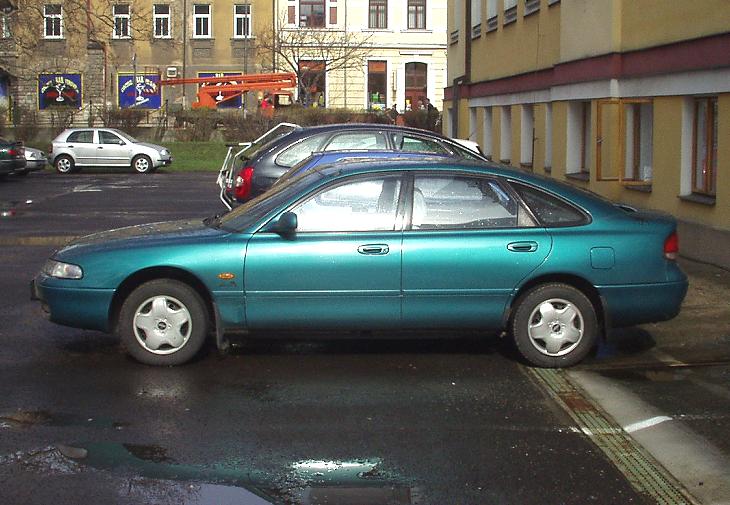
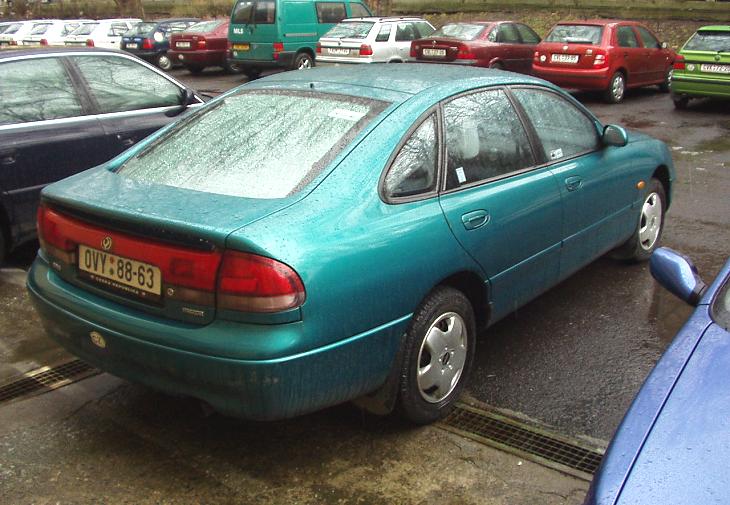
Styling followed the clean, modern design language that defined the late-1980s Mazda range. The GD-generation 626 featured smooth, aerodynamic lines, slim bumpers, rectangular headlights and well-proportioned bodywork that avoided excess and focused on clarity of form. The 2.0i models typically included colour-coded bumpers, tasteful wheel designs and discreet badging. Whether in saloon, hatchback or estate form, the car carried an understated elegance that aged gracefully and contributed to its popularity.
Inside, the Mazda 626 2.0i offered one of the more spacious and comfortable cabins in the midsize class of its era. Mazda emphasised ergonomic layout, excellent visibility and durable build quality. Seats were wide, supportive and designed for long-distance comfort, and the dashboard featured large, easy-to-read instruments with intuitively positioned controls. The material quality was high for the segment, and equipment levels varied from modest to generous depending on trim. Many 2.0i models included power steering, electric windows, central locking, a quality stereo system, adjustable steering and in higher trims, air conditioning and improved interior fabrics. The hatchback and estate added further practicality, with large cargo areas and versatile folding rear seats.
On the road, the 2.0i delivered a smooth, confident and quietly capable driving experience. The engine responded cleanly to throttle input, offering enough power for energetic overtaking and relaxed cruising. The suspension absorbed rough roads gracefully while maintaining control in corners, and the car felt planted and stable even at sustained high speeds. The 2.0i was not intended as a sporting variant — that role was filled by the GT 2.0 16-valve — but it offered a well-rounded mix of refinement, modest performance and long-term reliability that made it a favourite among private buyers and company-car fleets.
The Mazda 626 2.0i played a vital part in establishing Mazda as a builder of high-quality midsize cars during the late 1980s. Its combination of mechanical dependability, comfortable ride, efficient packaging and mature styling helped it compete strongly against rivals such as the Ford Sierra, Opel Vectra, Peugeot 405 and Toyota Camry. Many examples went on to cover exceptionally high mileages, thanks to the robustness of the FE engine and Mazda’s careful chassis engineering.
Today, the 626 2.0i is less common on the road, but among enthusiasts it is appreciated for its smooth drivetrain, excellent suspension design and understated, practical character. It stands as one of the most complete and well-balanced models in the GD-generation family — a quiet, refined and thoroughly dependable midsize car that reflects Mazda’s strengths during one of its best engineering periods.