

Description
The Mazda 626 Coupé 2.0 was the most balanced and versatile version of the GC-generation two-door 626 lineup, pairing the clean, elegant styling of Mazda’s early-1980s coupé design with the smooth, capable performance of the company’s 2.0-litre engine. Produced between 1982 and 1987 in most markets, it appealed to buyers who wanted something more stylish than a saloon but more practical and refined than a lightweight sports coupé. With its dependable engineering, understated proportions and relaxed driving manners, it became one of Mazda’s most appealing grand-touring-style coupés of the decade.
Power came from Mazda’s FE-series 1998 cc inline-four, an overhead-cam engine known for its endurance, smoothness and flexibility. In most markets the 2.0 Coupé produced around 100–110 horsepower in carburetted form, with slightly higher figures in later fuel-injected versions. The FE engine gave the car strong mid-range torque and a relaxed, unstressed character ideally suited to everyday driving and long-distance cruising. It was not a high-revving performance motor, but it was smooth, quiet and extremely durable, contributing to the model’s reputation for long service life. Most versions used Mazda’s slick, light-shifting five-speed manual gearbox; a three-speed automatic was also offered in some markets for drivers wanting a more effortless touring experience.
The GC-generation chassis gave the 626 Coupé 2.0 its refined, confident road manners. With MacPherson struts at the front and a coil-sprung rear axle located by trailing arms and a Panhard rod, the car delivered a stable, predictable ride that absorbed rough surfaces with ease. Mazda’s suspension tuning of this era was widely praised, giving the Coupé a blend of composure and comfort that rivalled more expensive European models. The slightly lighter two-door body contributed to an agile feel at moderate speeds, and the 2.0-litre engine’s broader torque curve complemented the chassis well during long motorway journeys or winding country drives.
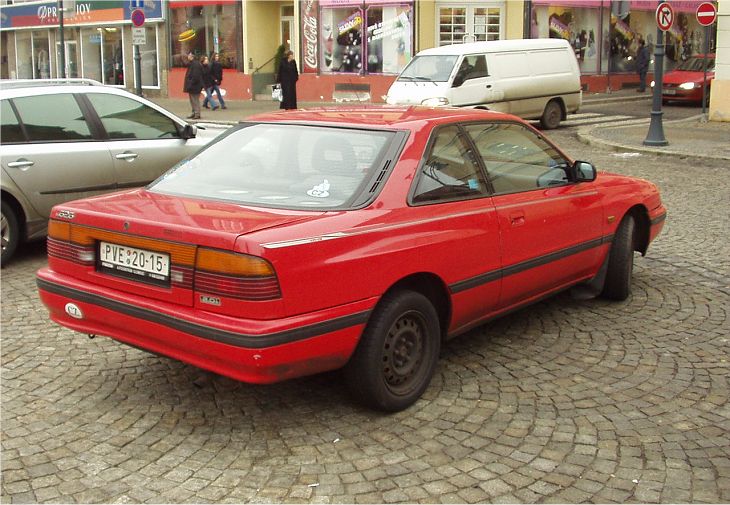
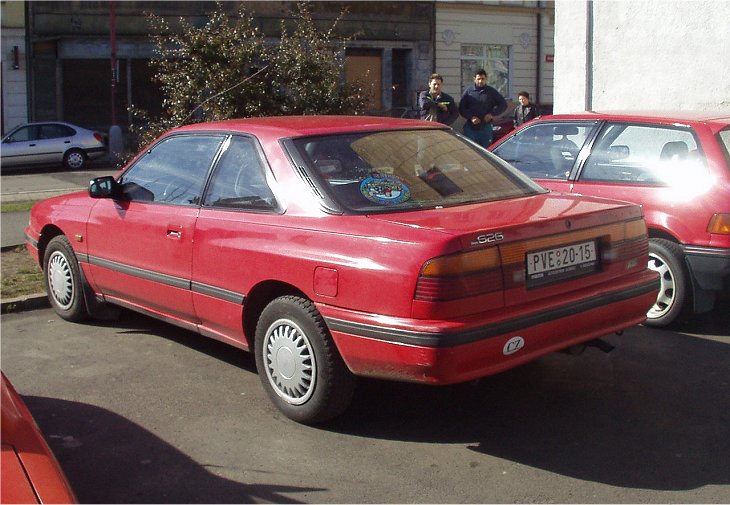
Styling was one of the 626 Coupé’s greatest selling points. Mazda designed the GC series with clean, straight lines and excellent proportions, resulting in a quietly elegant coupé shape free of excessive ornamentation. The long bonnet, slim rectangular headlamps, neatly contoured flanks and gently sloping roofline gave the car a timeless, well-balanced appearance. The rear featured tidy lamp clusters and a subtle boot-lid profile, while light chrome or colour-coded accents (depending on trim) added to the coupé’s understated sophistication. Its design stood apart from more flamboyant rivals by emphasising simplicity and proportion rather than aggression.
Inside, the Coupé 2.0 offered a comfortable and thoughtfully laid-out cabin that reflected Mazda’s growing emphasis on ergonomics and build quality. The dashboard was clean and logically arranged, with large, clear instruments and robust switchgear. The front seats were generously padded and supportive for long journeys, while the coupé layout created a slightly lower, more enveloped driving position than the saloon. Rear seating was usable for adults on shorter journeys, and the boot was spacious for a two-door car of its size, making the Coupé suitable for touring as well as daily use. Depending on market and equipment level, features could include power steering, improved upholstery, stereo upgrades, electric accessories and air conditioning.
On the road, the Mazda 626 Coupé 2.0 delivered smooth, quiet and dependable performance. The FE engine offered strong, even torque across the rev range, making the car relaxed in urban driving and confident on motorways. The suspension provided excellent comfort without feeling vague, and the steering was light yet accurate. The Coupé was not intended as a sharp-edged sports car — Mazda had the RX-7 for that role — but it excelled as a calm, refined grand-touring companion with just enough responsiveness to make it enjoyable on twistier roads. Its refinement, ease of use and predictable handling made it ideal for drivers who valued comfort without giving up style.
The 626 Coupé 2.0 helped Mazda build its reputation for producing reliable, well-made mid-sized cars with genuine design appeal. It occupied a sweet spot in the range: more powerful and mature than the 1.6, more affordable and economical than the high-performance GT models that followed in the next generation.
Today, surviving examples are relatively rare, as many were used extensively and gradually retired over the decades. Among enthusiasts of 1980s Japanese cars, however, the 626 Coupé 2.0 is appreciated for its clean styling, smooth engine, mechanical toughness and the unpretentious, well-balanced driving character that defined Mazda’s best work of the time. It remains a quietly elegant and dependable classic coupé.