Description
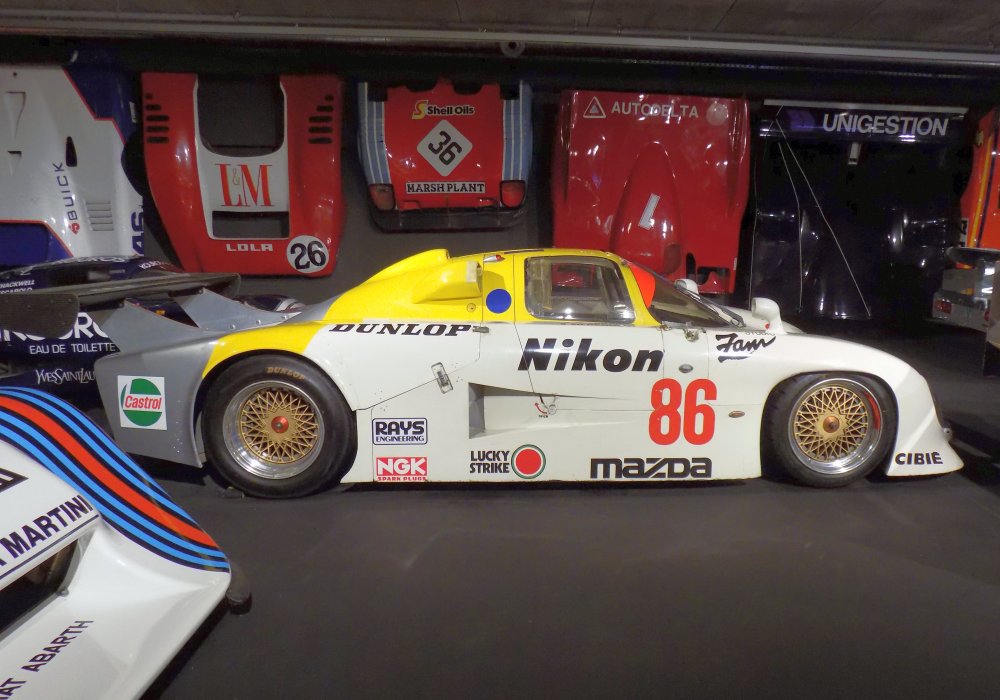
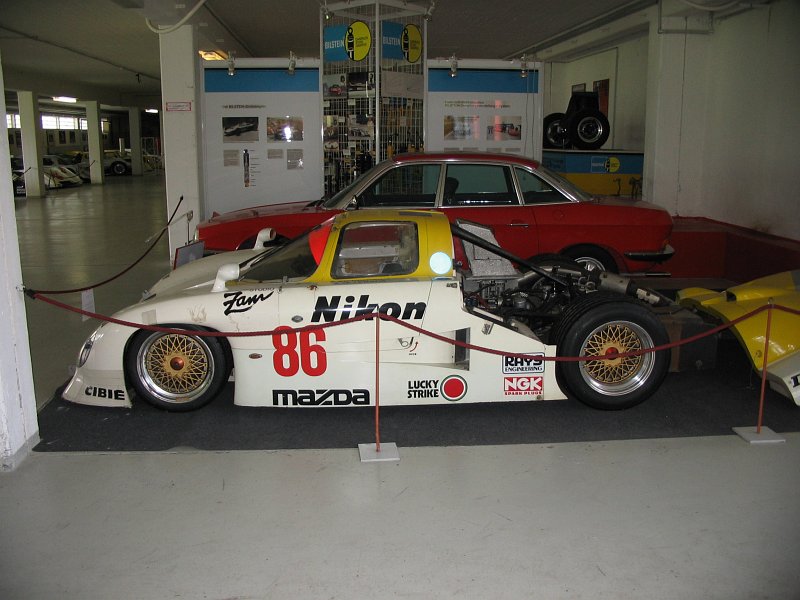
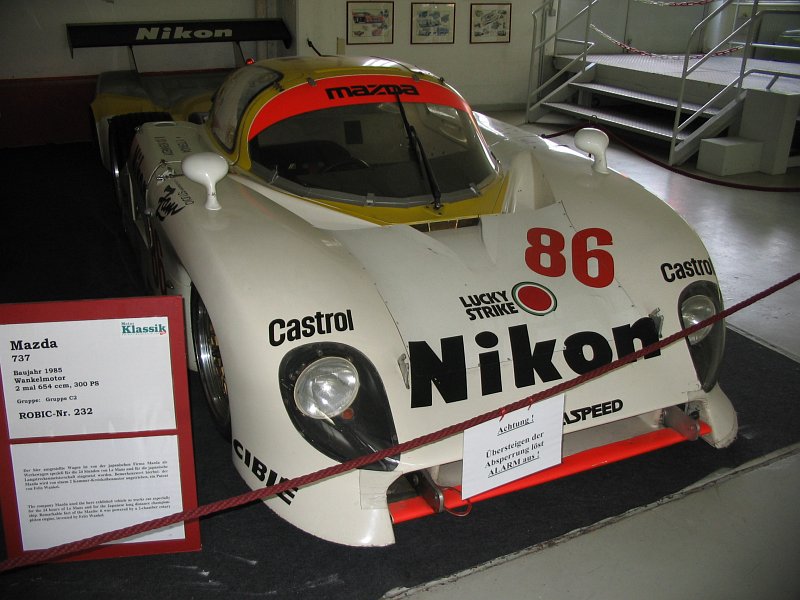
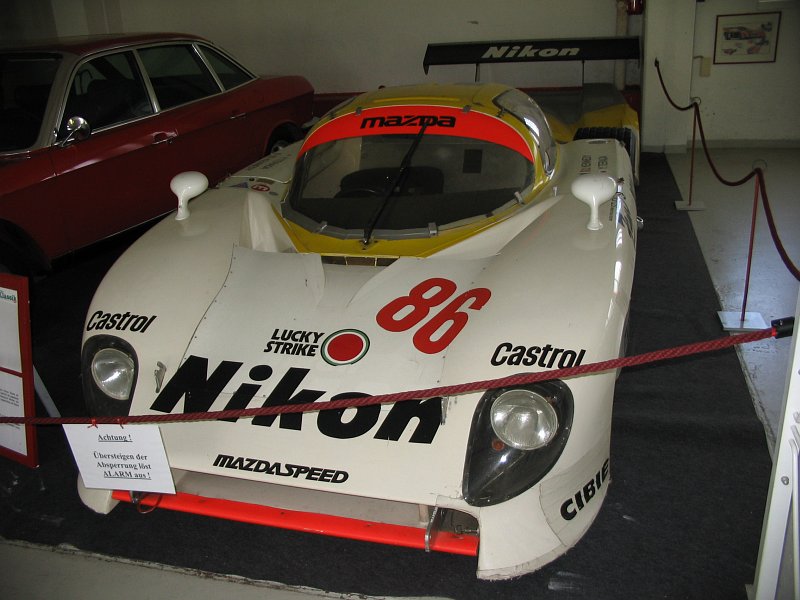
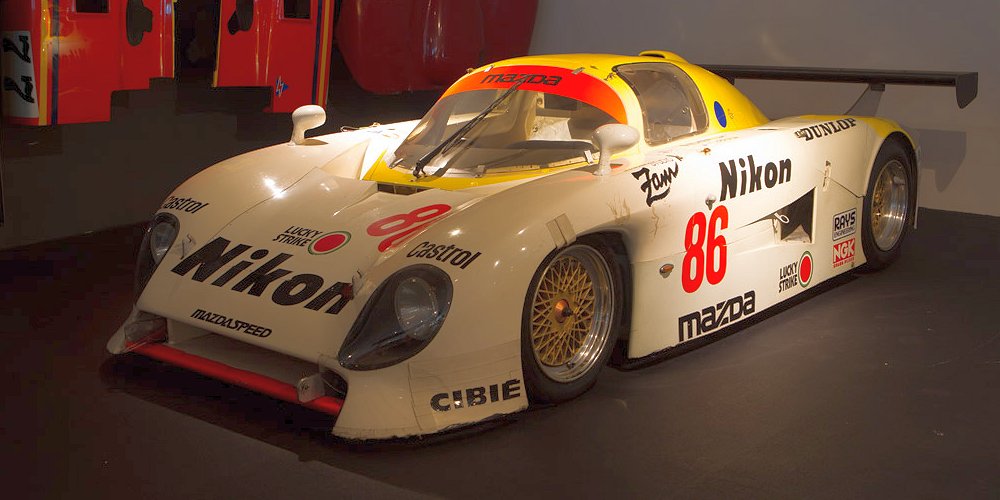
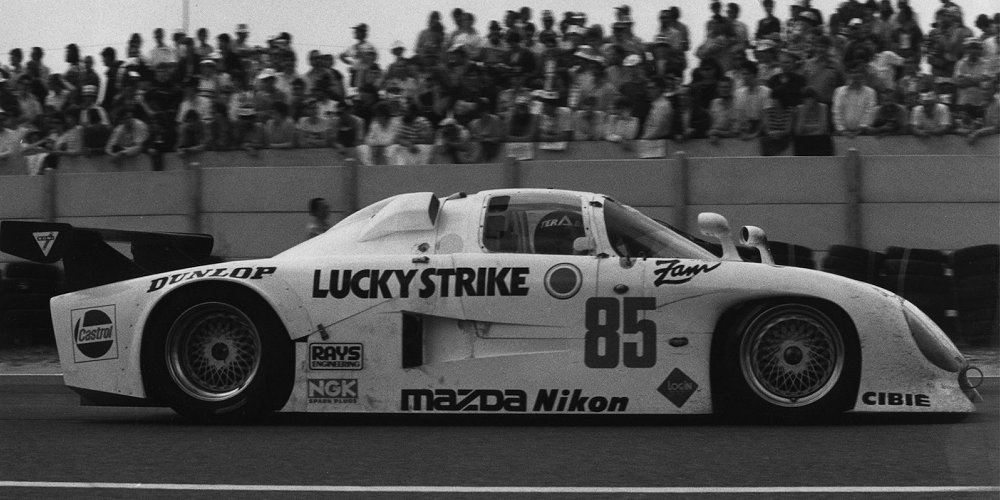
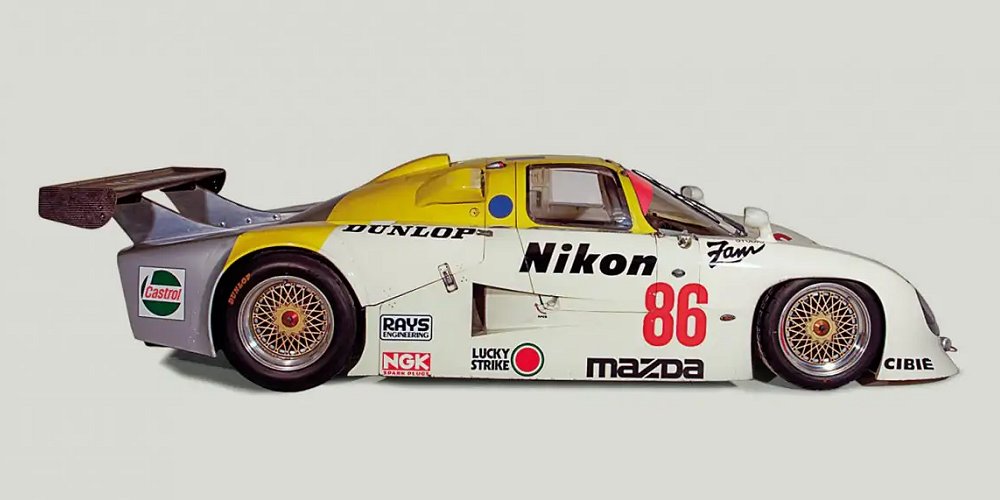
The Mazda 737C was one of the final and most developed Group C2-class rotary-powered prototypes produced by Mazda and Mooncraft, forming a key link in the company’s journey toward its historic Le Mans victory in 1991. Introduced for the 1985 season as an evolution of the earlier 717C, 727C and 737-family cars, the 737C represented the apex of Mazda’s early Group C programme — lightweight, aerodynamically refined and powered by the smooth, high-revving 13B twin-rotor rotary engine. While it never achieved the fame of the later 787B, the 737C played a crucial role in Mazda’s endurance-racing development.
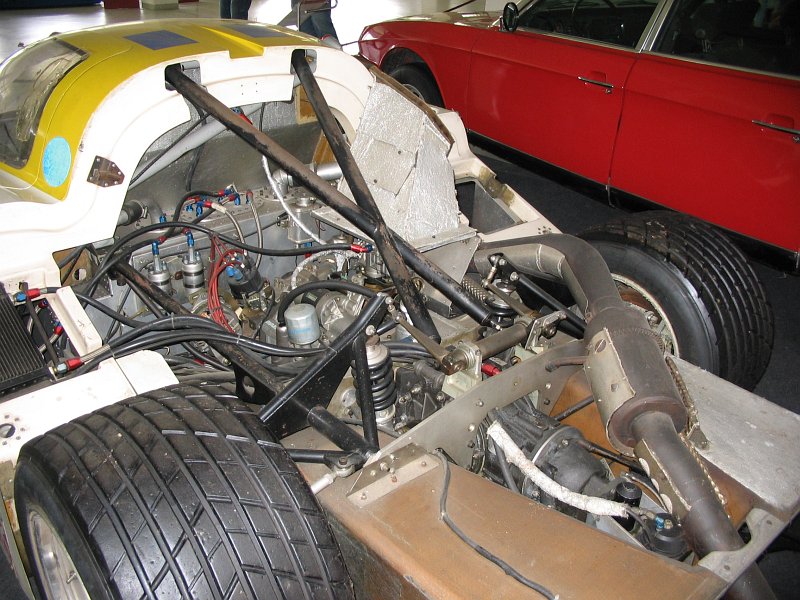
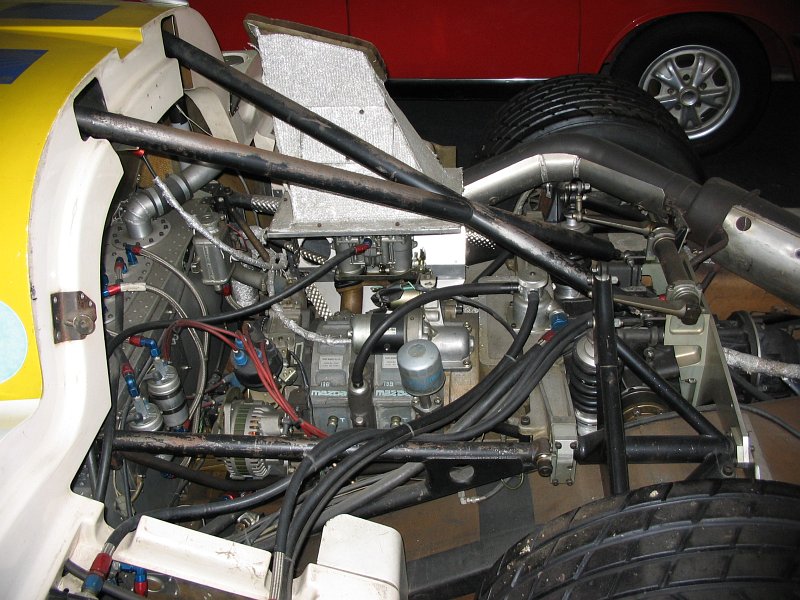
Power came from Mazda’s naturally aspirated 13B peripheral-port rotary engine, a highly tuned two-rotor unit producing around 300 horsepower at extremely high rpm. The engine’s compact size and low mass gave Mazda a major packaging advantage, allowing engineers to optimise weight distribution and aerodynamics more effectively than teams using larger piston engines. The rotary’s smoothness, reliability and ability to sustain high revs for long periods made it well suited to endurance racing. Paired with a lightweight five-speed racing gearbox, the 737C delivered immediate throttle response and a broad, usable powerband — traits that helped the car excel on technical circuits where agility mattered as much as outright speed.
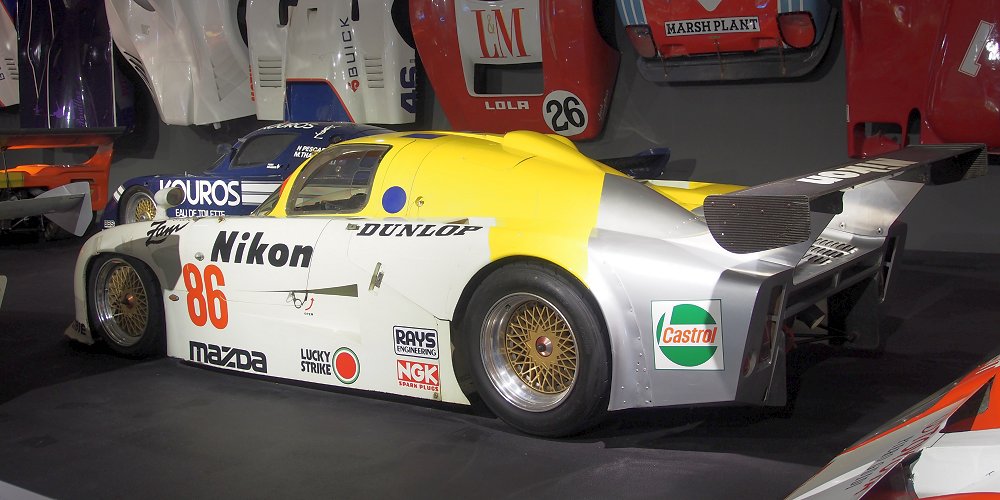
The chassis was a refined development of earlier Mazda/Mooncraft designs. The 737C used an aluminium monocoque construction with integrated fuel tanks, offering increased stiffness and improved crash protection over its predecessors. The suspension system featured double wishbones front and rear with inboard coil-spring dampers, designed to provide stability, predictability and consistent tyre contact across long stints. Mazda and Mooncraft worked to optimise the 737C’s aerodynamic profile, giving it a longer tail, refined underbody and improved airflow management to reduce drag and enhance downforce. The result was a car that handled with balance and precision, able to maintain high cornering speeds through long endurance races.
Styling and bodywork were shaped by Group C regulations, producing a sleek, low-slung prototype with a wide stance and smooth, flowing surfaces. The nose was aerodynamic and compact, with integrated cooling ducts for the brakes and radiators. The flowing body sides channelled air effectively toward the rear, where the long tail and large rear wing provided stability at speed. The 737C typically ran in Mazda’s iconic blue-and-white colour scheme during its early campaigns, with later liveries incorporating the Mazdaspeed green-and-orange combination that would become legendary with the 787B.
Inside, the 737C was pure competition machinery. The cockpit contained only essential controls, a simple instrument cluster focused on engine and temperature monitoring, and a single racing seat positioned low within the monocoque. Visibility was limited, but ergonomics were tailored to endurance events, allowing drivers to maintain focus and comfort through long hours of racing. Everything inside the cabin reflected the priority of weight reduction, durability and driver efficiency.
On the track, the Mazda 737C demonstrated agility, consistency and reliability — qualities that made it competitive in the Group C2 category. The rotary engine’s lack of reciprocating mass gave the car a smooth, predictable character, particularly helpful in tight cornering sequences. The car’s lightweight construction allowed rapid changes of direction, while the suspension tuning provided good stability at high speeds. Although the 737C lacked the outright power of top-class Group C1 machines, its efficiency, handling and durability often placed it well within its class rankings.
The 737C competed in the 1985 and 1986 seasons, including appearances at the 24 Hours of Le Mans. While the car did not achieve an overall victory, it performed strongly in C2-class competition and served as a vital testbed for Mazda’s rotary endurance programme. Lessons learned in its engine durability, aero refinement and chassis design directly influenced the development of the later 757, 767 and ultimately the 787B — the car that delivered Mazda its historic Le Mans win.
Today, the Mazda 737C is an important part of Mazda’s motorsport heritage. Its rarity, technical significance and role in shaping Mazda’s future endurance success make it highly valued by motorsport historians and rotary enthusiasts. As one of the final Mazda rotary prototypes before the move to larger four-rotor designs, the 737C stands as a testament to Mazda’s persistence, engineering creativity and commitment to proving the rotary engine at the highest levels of racing.