Description
The Mazda Familia SSA was one of the early variants of the first-generation Mazda Familia series, representing Mazda’s transition from a small domestic manufacturer into a credible builder of mainstream compact cars. Introduced in the mid-1960s as part of the expanding Familia range, the SSA designation refers to a specific engine and trim combination within the broader “FA/SA” family. While the Familia 800 and 1000 models are better known, the SSA variant occupies an important place in Mazda’s early development, offering a slightly more advanced specification and helping establish the Familia nameplate that would later evolve into the globally successful Mazda 323.
The Familia SSA used Mazda’s water-cooled inline-four SA-type engine, a compact and refined 987 cc unit producing around 52 horsepower. This engine was an enlarged evolution of the earlier 782 cc powerplant used in the Familia 800. The move to a full one-litre displacement gave the SSA a noticeable improvement in torque, drivability and cruising ability, making it more suitable for suburban and intercity travel. Power was sent to the rear wheels through a four-speed manual gearbox, which was light and easy to operate. The smoothness of the SA-type engine was considered one of its major advantages, especially at a time when many competitors in this size class still relied on less refined three-cylinder or two-stroke designs.
The chassis of the SSA followed the same layout as the rest of the first-generation Familia line. Built on a monocoque shell, it used independent front suspension with coil springs and a leaf-sprung live rear axle. This combination gave the car predictable handling, stable highway manners and a comfortable ride on the uneven road surfaces common in Japan during the 1960s. The compact wheelbase and modest overall length made the SSA easy to manoeuvre in urban environments, which was a crucial selling point as Japanese towns and cities continued to densify.
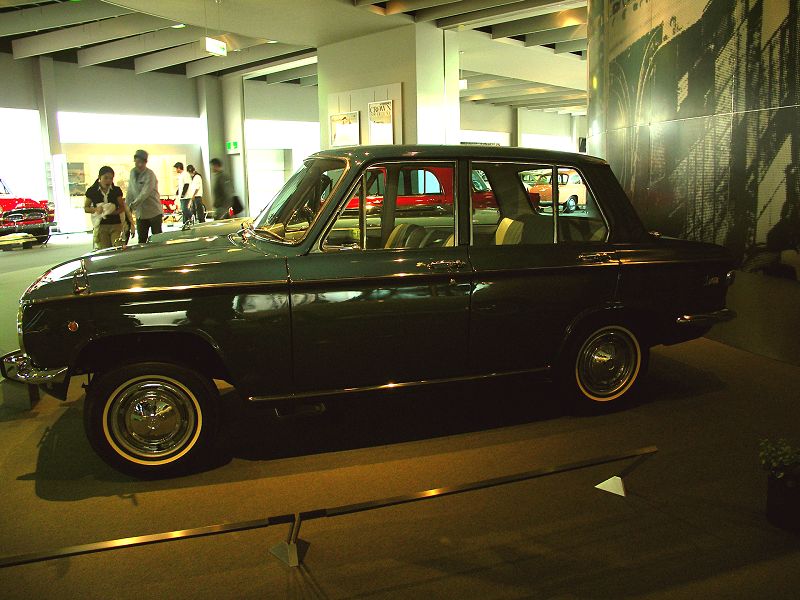
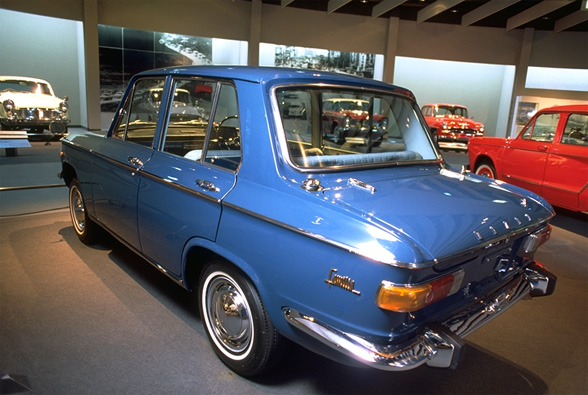
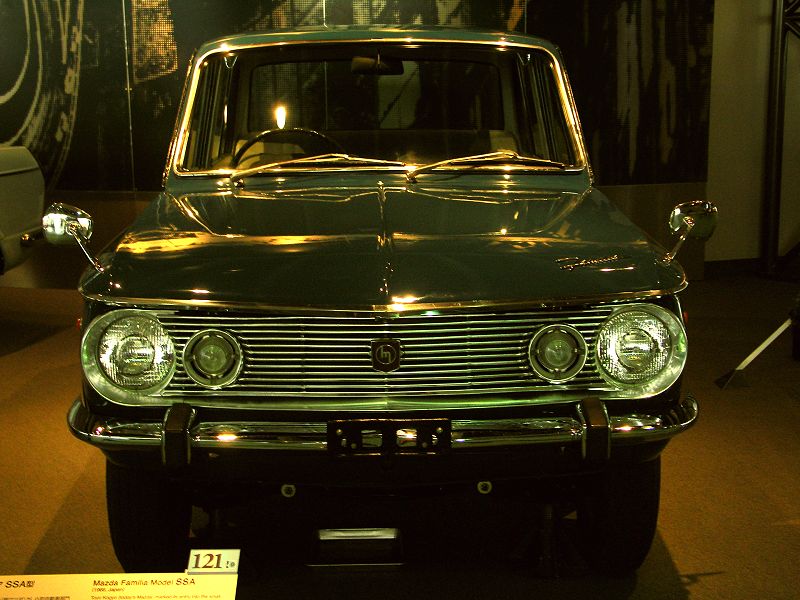
Styling for the SSA aligned with the clean, European-influenced appearance of the early Familia range. The design was simple and modern, with clean body sides, gently rounded contours and a horizontal grille flanked by round headlamps. This understated look helped the car appeal to buyers seeking something contemporary yet modest. Mazda’s early 1960s design language emphasised clarity and practicality, and the SSA fit squarely within that approach.
The interior was functional but well considered. The SSA provided seating for four adults, with durable vinyl upholstery and a straightforward dashboard layout centred around clear instrumentation and easily accessible controls. Despite its compact size, the cabin felt airy thanks to the upright windows and thin pillars. Mazda placed importance on good visibility and ease of use, and these qualities were noticeable in everyday driving. While not luxurious, the finishing reflected Mazda’s improving standards as it refined its mass-production processes.
On the road, the Familia SSA delivered smooth, flexible performance. The 1.0-litre engine offered more usable power than the 800 cc variants, especially when climbing hills or maintaining speed outside city limits. Ride comfort was one of the Familia’s strengths, and the suspension tuning balanced practicality with enough compliance to make the car agreeable for family use. Fuel economy remained excellent, an important factor for budget-minded buyers. The SSA felt mature and well developed, signalling Mazda’s growing confidence in the compact-car market.
The SSA was an important model for Mazda’s early export ambitions. While the Familia 800 and 1000 models saw broader overseas availability, the SSA helped form the mechanical basis of Mazda’s small-car expansion into Asia, Oceania and select European markets. It contributed directly to the establishment of the Familia/323 line, which would become one of Mazda’s most successful global platforms for decades.
Surviving examples of the Mazda Familia SSA are rare. Early compact Japanese cars were seldom preserved, and the SSA’s role as an everyday family vehicle meant most were simply used up. Yet historically, it is a significant link in Mazda’s development — a refined, well-engineered small car that helped transform Mazda from a kei-car specialist into a worldwide manufacturer of compact passenger cars.