Description
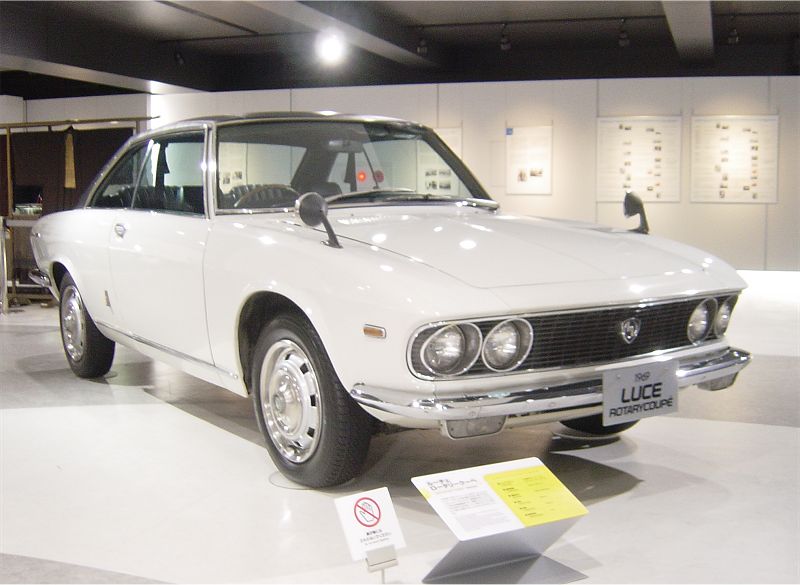
The Mazda Luce Rotary Coupé was one of the most elegant and technically ambitious early rotary-powered cars Mazda produced, serving as a stylish halo model in the late 1960s and early 1970s. Introduced in 1969, the Rotary Coupé took the handsome Bertone-styled Luce sedan platform and transformed it into a sleek, long-roof grand-touring coupé powered by Mazda’s new twin-rotor Wankel engine. It represented Mazda’s desire to combine European-influenced design, advanced engineering and smooth rotary performance in a single distinctive package aimed at both domestic and export markets. The result was a refined, luxurious and highly innovative coupé that signalled Mazda’s growing confidence during the early rotary era.
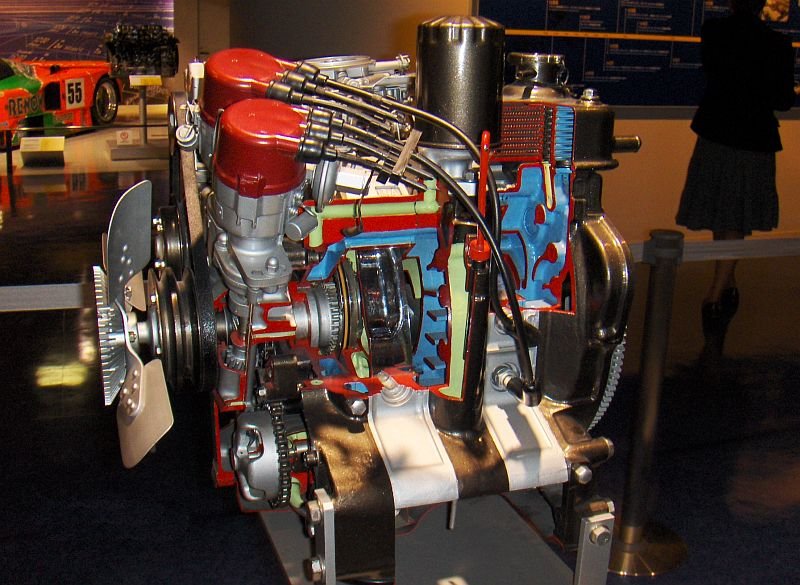
Power came from Mazda’s 491 cc × 2 13A twin-rotor engine, a slightly larger and more refined rotary unit than the 10A used in the earlier Cosmo Sport and R100. In most markets it produced around 126 horsepower, giving the Luce Rotary Coupé performance figures that rivalled many six-cylinder grand-tourers of the late 1960s. The 13A engine delivered the trademark rotary characteristics that Mazda was rapidly becoming known for: a vibration-free idle, smooth and linear power delivery, and a willingness to rev cleanly to high speeds. The rotary’s compact dimensions also allowed Mazda to position the engine low and far forward, contributing to the coupé’s long bonnet and elegant proportions. A four-speed manual gearbox was standard, offering clean shifts and allowing drivers to make full use of the rotary’s rev range. A three-speed automatic became available later, further emphasising the model’s grand-touring orientation.
The chassis was derived from the Luce sedan but refined to suit the rotary’s smoother, more sophisticated character. Independent front suspension with MacPherson struts and a well-located rear axle gave the car stable, predictable handling. The longer wheelbase and wide track helped the coupé feel composed on open roads, and Mazda tuned the suspension for comfort and refinement. Front disc brakes were standard on most versions, reflecting Mazda’s commitment to creating a technologically advanced, high-status model. Steering was light and accurate, and the overall road behaviour was calm and polished, making the Rotary Coupé well suited to long-distance driving.
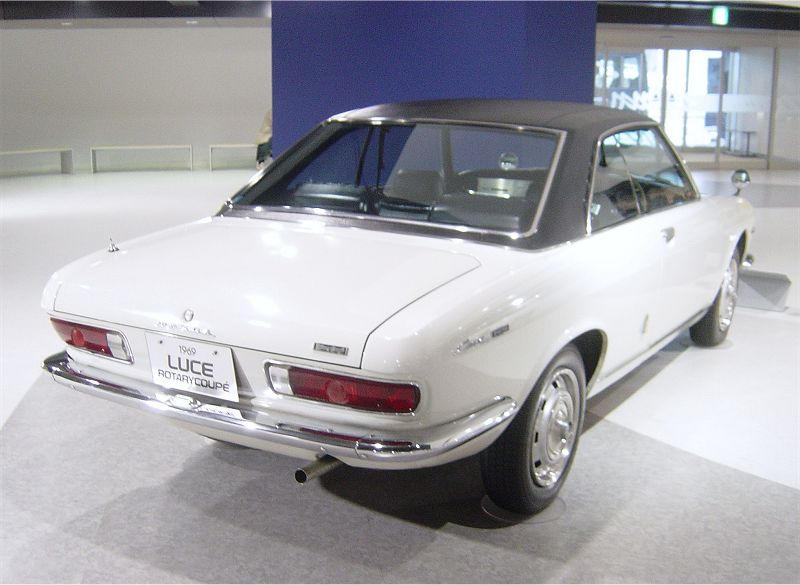
Styling was one of the Luce Rotary Coupé’s greatest achievements. Like the sedan, the coupé was styled at Bertone under Giorgetto Giugiaro and carried many of the crisp, angular design cues that defined late-1960s Italian automotive design. The Rotary Coupé’s silhouette was longer, lower and more dramatic, with a sweeping roofline, slim pillars, a pronounced waistline and one of the most elegant front ends Mazda ever produced. The long bonnet, distinctive grille, quad headlamps and delicately sculpted body sides gave it a genuinely European grand-tourer aesthetic. The proportions were carefully balanced, and the result was a car that looked more expensive and more sophisticated than many of its domestic rivals. The coupé’s styling remains widely admired and is considered one of Mazda’s most attractive early designs.
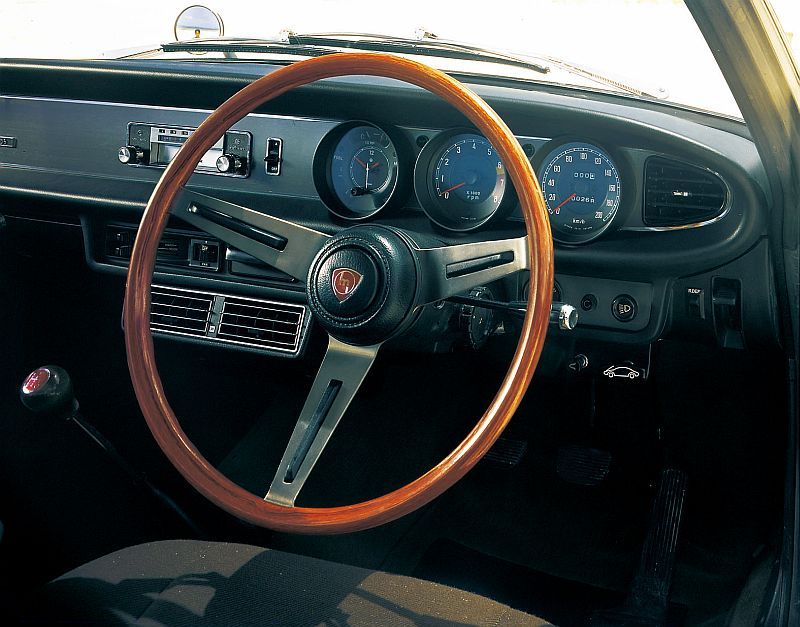
Inside, the Luce Rotary Coupé offered a refined and well-appointed cabin that matched its upmarket exterior. The dashboard was cleanly laid out with clear instruments, wood-tone trim and finely detailed switchgear. Seats were comfortable and generously padded, designed for long journeys rather than sporting intent. Materials were of higher quality than those typically found in Japanese cars of the era, helping reinforce the model’s premium positioning. The rear seating was more usable than in many coupés of the time, making the car practical for touring with passengers. The overall impression was of a carefully crafted interior that blended Japanese precision with European-influenced style.
On the road, the Luce Rotary Coupé delivered a smooth, quiet and relaxed driving experience. The rotary engine’s seamless power delivery suited the car’s grand-touring nature, allowing it to accelerate with a level of refinement that conventional piston engines struggled to match. Cruising ability was one of its strong points, as the rotary remained quiet and vibration-free even at sustained high speeds. The chassis provided comfortable ride quality and steady handling, and the car projected an air of maturity and sophistication that set it apart from Mazda’s smaller, sportier rotary models such as the R100 and RX-2. While not as agile or sharp as the Cosmo, the Luce Rotary Coupé excelled in long-distance comfort and refinement.
Produced in limited numbers and relatively expensive when new, the Luce Rotary Coupé was never a mass-market car. Instead, it served as a technological and stylistic showcase for Mazda’s rotary intentions. It demonstrated that Mazda could combine advanced engineering with international-grade design and luxury, helping build the brand’s prestige both in Japan and abroad. It also foreshadowed the path Mazda would later take with the more luxurious rotary-powered Luce and Cosmo models of the 1970s and 1980s.
Today the Mazda Luce Rotary Coupé is rare and highly prized among collectors of early Japanese classics and rotary-engine enthusiasts. Its combination of Italian styling, early rotary technology, and refined grand-touring character makes it one of Mazda’s most historically significant and visually striking cars. As one of the earliest and most elegant rotary road cars, the Luce Rotary Coupé stands as a landmark model in Mazda’s evolution toward global recognition and engineering innovation.