Description
The Mazda MX-6 V6 2.5i was the flagship and most powerful version of Mazda’s elegant, refined coupé of the 1990s. Introduced as part of the second-generation MX-6 (1991–1997, depending on market), the 2.5-litre V6 model showcased Mazda’s K-series engine technology at its peak, offering smooth, responsive performance wrapped in a sleek, aerodynamic body. Positioned as a stylish and more affordable alternative to European coupés, the MX-6 V6 built its reputation on refinement, balance and everyday usability rather than outright aggression.
Power came from Mazda’s KL-DE 2497 cc 24-valve V6, producing around 165 horsepower in European trim (slightly higher in some markets). This engine was widely praised for its exceptionally smooth character, free-revving nature and linear delivery. It made the MX-6 feel sophisticated and relaxed at low speeds, yet eager and willing when pushed. The KL-series engines were known for their durability and their distinctive, silky intake note, which became one of the defining traits of the MX-6 driving experience. Most cars were fitted with a five-speed manual gearbox that allowed the V6 to show its full character, while a four-speed automatic was available for drivers seeking a more laid-back GT feel.
The chassis was shared with the Mazda 626 and Ford Probe, but the MX-6 was tuned specifically for a more precise and agile feel. Suspension consisted of MacPherson struts at the front and Mazda’s sophisticated quad-link rear layout. This gave the car excellent composure, strong mid-corner grip and a balance that made the V6 model genuinely enjoyable on twisty roads. Steering feel was light yet accurate, and the longer wheelbase ensured impressive stability at motorway speeds. Despite being front-wheel drive, torque steer was well controlled thanks to careful suspension geometry and the smooth delivery of the KL engine. The result was a coupé that felt more fluid and polished than many contemporaries.
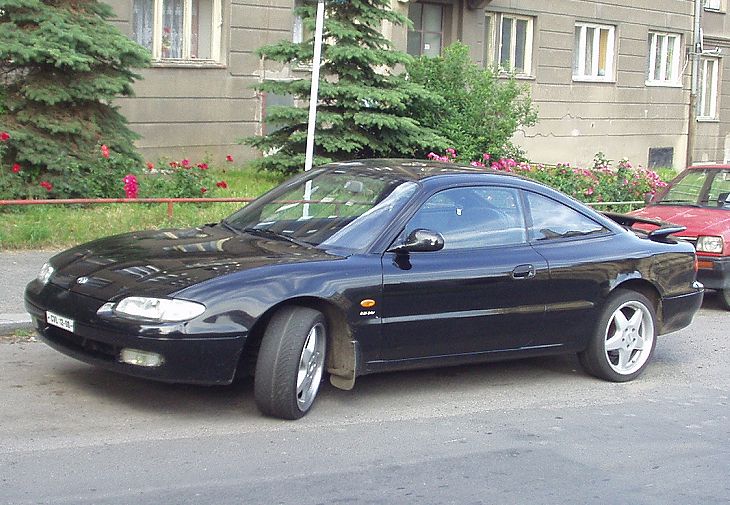
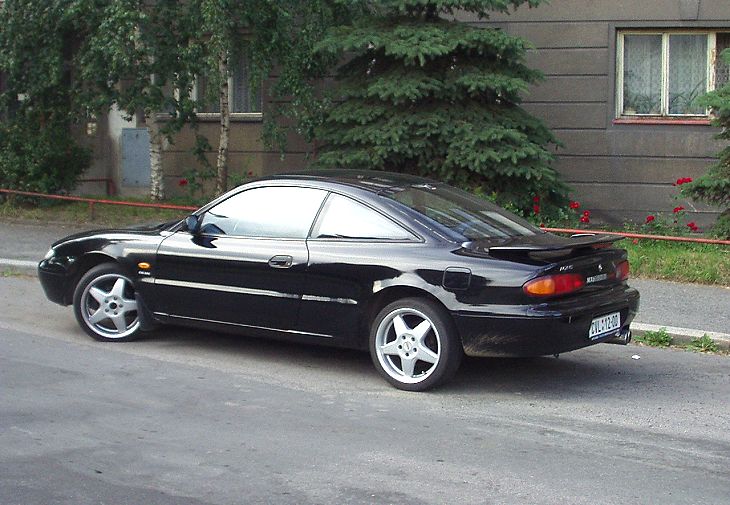
Styling was one of the MX-6’s strongest points. Mazda designed the car with clean, flowing lines and a long, elegant profile. The wraparound headlights, smooth bumper integration and gently tapered tail created a cohesive, aerodynamic shape that has aged gracefully. The V6 models were often distinguished by sportier alloy wheels and subtle trim upgrades, but the overall look remained understated. Rather than relying on aggressive creases or flamboyant detailing, the MX-6 projected a calm, mature sense of style that set it apart from bolder rivals.
Inside, the MX-6 V6 2.5i offered a comfortable and well-finished cabin. The dashboard layout was driver-focused, with large analogue gauges, well-positioned controls and supportive seats designed for long-distance comfort. Material quality was good for the class, with soft-touch trims and solid fit and finish typical of Mazda’s 1990s interiors. Higher-spec versions included features such as leather upholstery, air conditioning, electric sunroofs, premium audio systems and ABS. The cabin was spacious for a coupé, and the rear seats, while best suited to shorter journeys, were more usable than in many competitors.
On the road, the MX-6 V6 2.5i delivered a smooth, refined and quietly capable driving experience. The V6 engine provided effortless mid-range power, making overtaking relaxed and reassuring. The suspension soaked up imperfections with a maturity that made the car an excellent long-distance cruiser. When roads became more challenging, the MX-6 responded with composure and agility, rewarding a flowing driving style. It was not designed as a razor-sharp sports coupé but rather as a balanced and enjoyable GT with real everyday practicality.
The MX-6 V6 played an important role in Mazda’s 1990s lineup, offering an accessible, high-quality coupé that blended style, refinement and enjoyable dynamics. Although overshadowed by more overtly sporty rivals, it developed a loyal following among those who appreciated its smooth V6 engine and thoughtful engineering.
Today, the MX-6 V6 2.5i is increasingly recognised as an underrated modern classic. Its combination of elegant styling, rare smoothness from its compact V6, and balanced chassis make it an appealing and distinctive coupé. Well-preserved examples are sought after for their mechanical durability and long-distance comfort, and the car stands as a reminder of Mazda’s ability to deliver refined, subtly capable sports-touring machines during the golden era of Japanese engineering.