Description
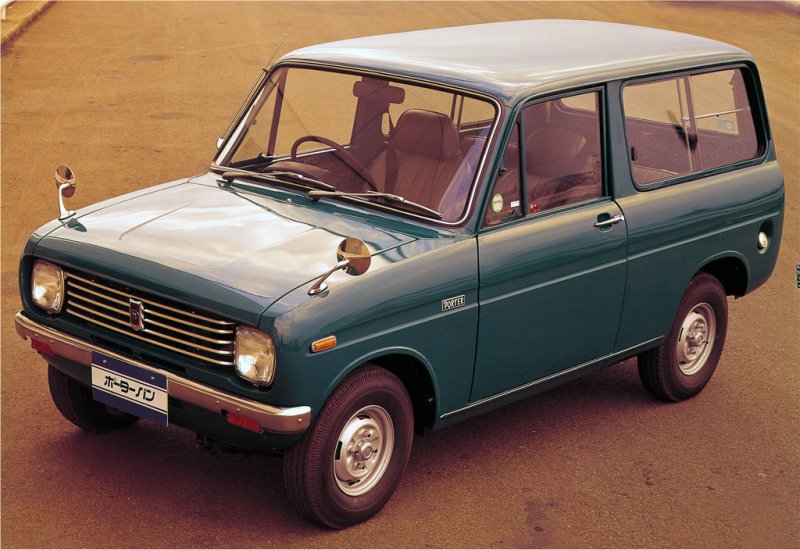
The Mazda Porter Van was one of Mazda’s most important early light-commercial vehicles, introduced in 1968 as part of the company’s growing presence in the kei–commercial segment. Replacing the earlier B360 Van, the Porter Van reflected Mazda’s rapid development during the 1960s and offered small businesses, delivery drivers and tradespeople a more modern, more capable and more refined microvan. Compact, efficient and highly manoeuvrable, it became a familiar sight in Japan during the late 1960s and early 1970s.
The Porter Van was powered by Mazda’s compact air-cooled two-cylinder engine with a displacement of 359 cc, engineered to comply with the kei-class regulations of the time. Producing approximately 20–23 horsepower depending on the year, the engine offered reliable, economical performance for urban delivery work. Power was delivered to the rear wheels via a 4-speed manual gearbox, giving the van adequate torque for stop-start city driving and the short-haul duties for which it was intended.
The chassis design was simple but robust. The Porter used a lightweight monocoque body, which improved rigidity and kept overall weight low. Suspension consisted of independent front wishbones with coil springs and a rear leaf-sprung live axle, tuned to balance ride comfort with the ability to carry modest payloads. With its small footprint, tight turning radius and predictable handling, the Porter Van was exceptionally easy to operate in dense urban environments and narrow back streets.
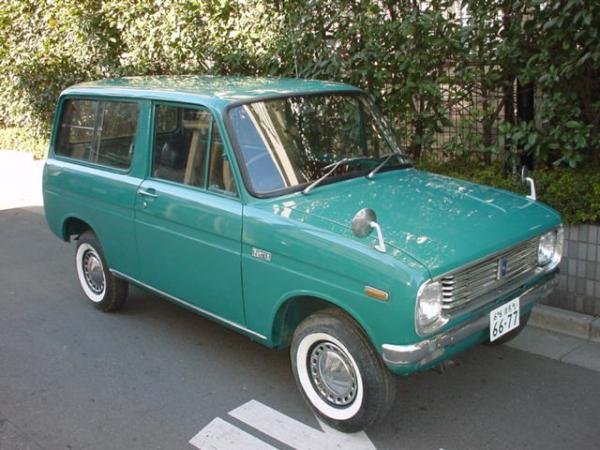
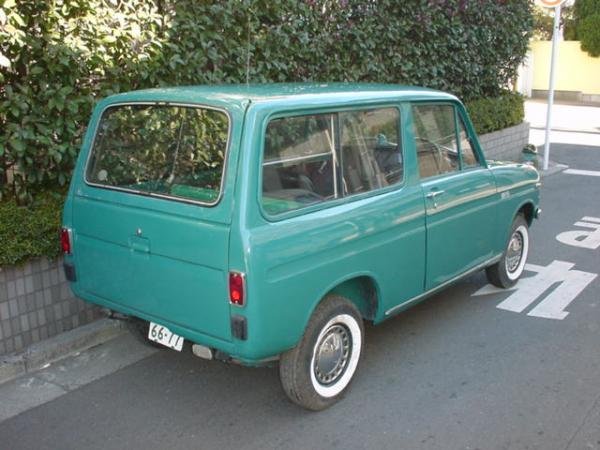
Styling of the Porter Van was functional and modern for its time. It featured a compact, boxy silhouette optimised for cargo space, with a short nose and vertical sides. The front fascia included round headlamps set in a simple grille panel, while the rear cargo area was accessed through a large tailgate or twin doors depending on the version. The straightforward design emphasised practicality, durability and ease of loading, making the van well suited to small-scale logistics and delivery work.
Inside, the Porter Van offered a strictly utilitarian cabin for two occupants. The dashboard layout was simple, with essential gauges, large switchgear and durable materials designed to withstand daily use. Seating was basic but functional, visibility excellent and controls easy to reach. While not designed for comfort on long journeys, the Porter excelled at its intended role: short-distance deliveries, frequent stops and reliable operation in crowded city conditions. The cargo area behind the cabin was surprisingly spacious for a kei-class vehicle, capable of carrying boxes, parcels, tools or supplies for local businesses.
On the road, the Porter Van was steady, predictable and economical. Its small engine, combined with a lightweight structure, delivered fuel-efficient performance well suited to the energy-conscious and cost-sensitive needs of Japanese small businesses. The suspension gave a compliant ride for a commercial kei-vehicle, and the straightforward rear-wheel-drive layout made the van durable and easy to service.
The Porter Van proved highly successful and played a major role in Mazda’s light-commercial lineup. Its reliability and low running costs made it popular with tradespeople, shopkeepers and delivery services across Japan. The Porter range eventually expanded to include pickups and later evolved into the Mazda Porter Cab micro-truck, and Mazda’s long-running Bongo van series would eventually take over the company’s larger light-commercial duties.
Today, surviving Porter Vans are rare, as most were used extensively and replaced once worn out. However, enthusiasts of early Japanese commercial vehicles appreciate the Porter’s simplicity, charm and historical significance. As a key transitional model in Mazda’s commercial-vehicle development, the Porter Van helped establish the company as a major force in the kei-truck and van segments — a foundation on which Mazda would continue to build for decades.