Description
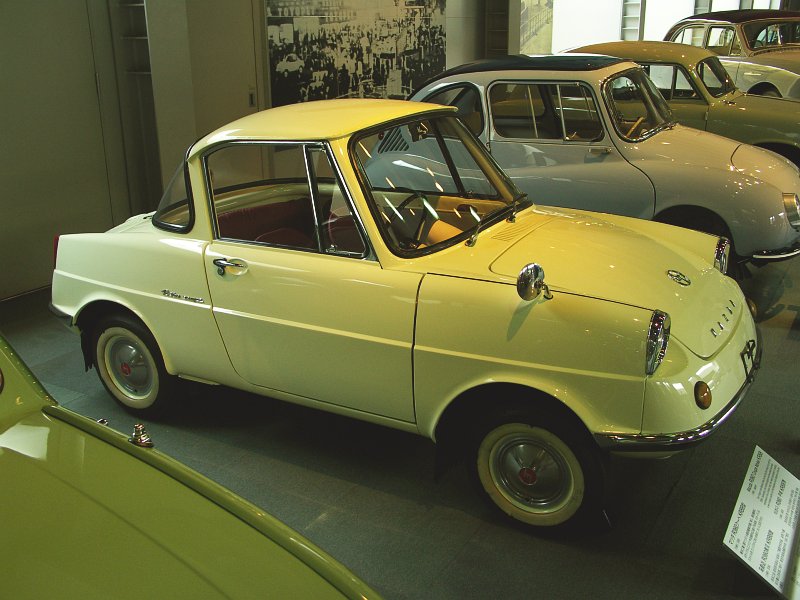
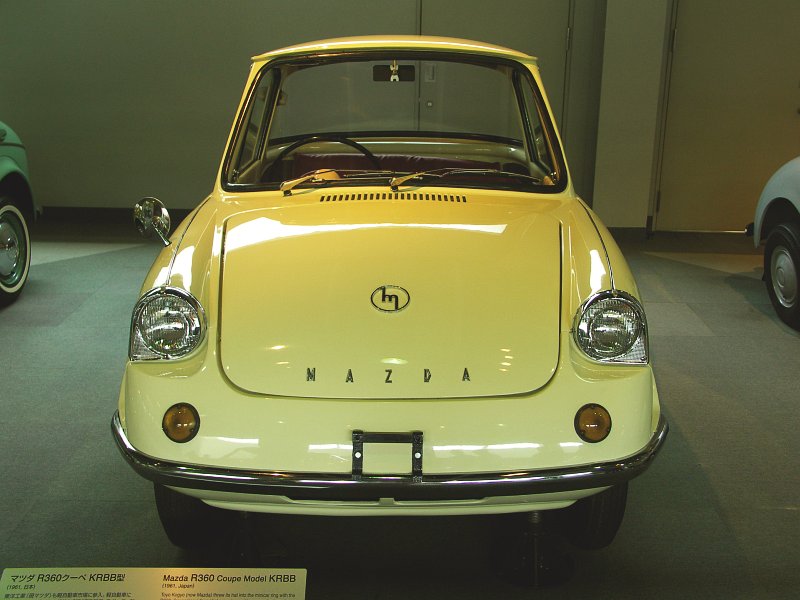
The Mazda R360 Coupé KRBB was a specific variant of Mazda’s pioneering R360 microcar, representing one of the trim or sub-model designations used during its production run. While the base R360 Coupé is well documented, Mazda’s internal coding — including KRBB — reflects factory designations for mechanical specifications, trim combinations and production batches rather than publicly marketed model names. Nevertheless, the KRBB version belonged fully to the R360 family and shared the same essential mechanical layout, body design and importance in Mazda’s early history.
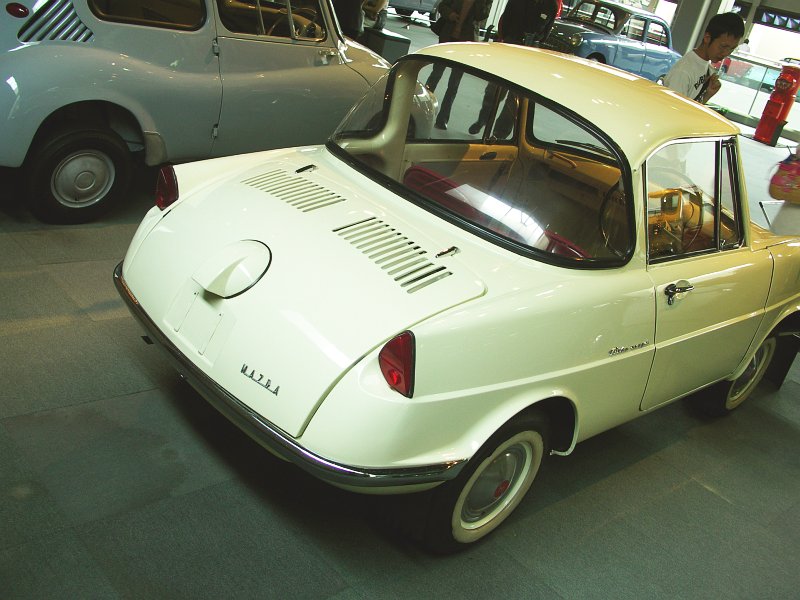
The R360 Coupé was introduced in 1960 as Mazda’s first mass-produced passenger car. The KRBB variant followed the same engineering philosophy: compact dimensions, exceptionally low weight and a highly economical drivetrain designed to qualify for Japan’s kei-car regulations. It was powered by a rear-mounted 356 cc air-cooled V-twin engine developing around 16 horsepower. Despite its modest displacement, the engine provided lively urban performance thanks to the car’s very low mass of roughly 380 kg. KRBB versions were equipped with the standard four-speed manual gearbox, giving the small coupé a more engaging and responsive feel than the torque-converter automatic variants offered on other trims.
The structure of the KRBB remained a lightweight monocoque, notable for its time and crucial to the R360’s popularity. Its suspension was independent at all four wheels, using torsion bars at the front and rubber springs at the rear, giving the car a compliant ride on the uneven roads typical of early-1960s Japan. The chassis delivered nimble handling, quick steering and excellent manoeuvrability — all essential qualities for urban drivers during Japan’s rapid economic growth.
Styling for the KRBB matched the standard R360 silhouette: a rounded, compact coupé shape with clean surfaces, cheerful proportions and a distinctly modern look compared with other kei vehicles of the era. Its small front overhang, curved roofline and minimal ornamentation contributed to a friendly, appealing design that helped make the R360 one of Japan’s first truly accessible “people’s cars.”
Inside, the KRBB followed the simple but effective interior layout of the base model. The cabin offered space for two adults, with rear parcel seating only on certain trims. Vinyl upholstery, a pared-back dashboard and essential instrumentation created an environment that was practical, easy to clean and inexpensive to maintain. The focus was on value, accessibility and user-friendliness rather than luxury, yet the quality of execution was high for its class.
On the road, the KRBB delivered the characteristic R360 driving experience: light, agile, economical and easy to control. The manual gearbox made the KRBB feel slightly more spirited than the automatic variants, especially in city traffic. The small V-twin engine provided adequate torque at low speeds, and the suspension’s compliance made the car more comfortable than many of its kei-class competitors. Fuel consumption was exceptionally low, a major selling point in the early 1960s.
The KRBB, like all R360 variants, played an essential role in Mazda’s rise as a full automobile manufacturer. It contributed to the R360’s reputation for reliability and affordability, helping Mazda capture a significant share of Japan’s rapidly expanding kei-car market. The success of the R360 series gave Mazda the financial and engineering foundation needed to develop the Carol, the Familia and eventually its rotary-powered sports cars.
Today, KRBB-coded examples of the R360 Coupé are extremely rare. Surviving cars are prized by enthusiasts of early Japanese microcars, both for their historical value and for the important place they hold in Mazda’s evolution. The R360 — including the KRBB variant — remains a landmark in Japan’s post-war automotive history and one of Mazda’s most culturally significant early vehicles.