Description
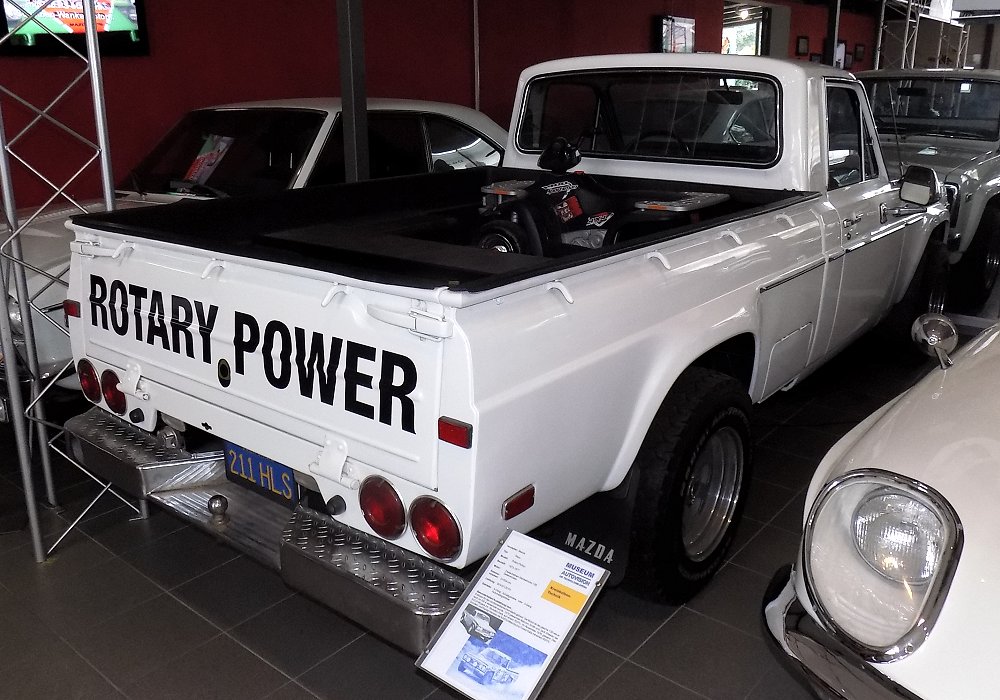
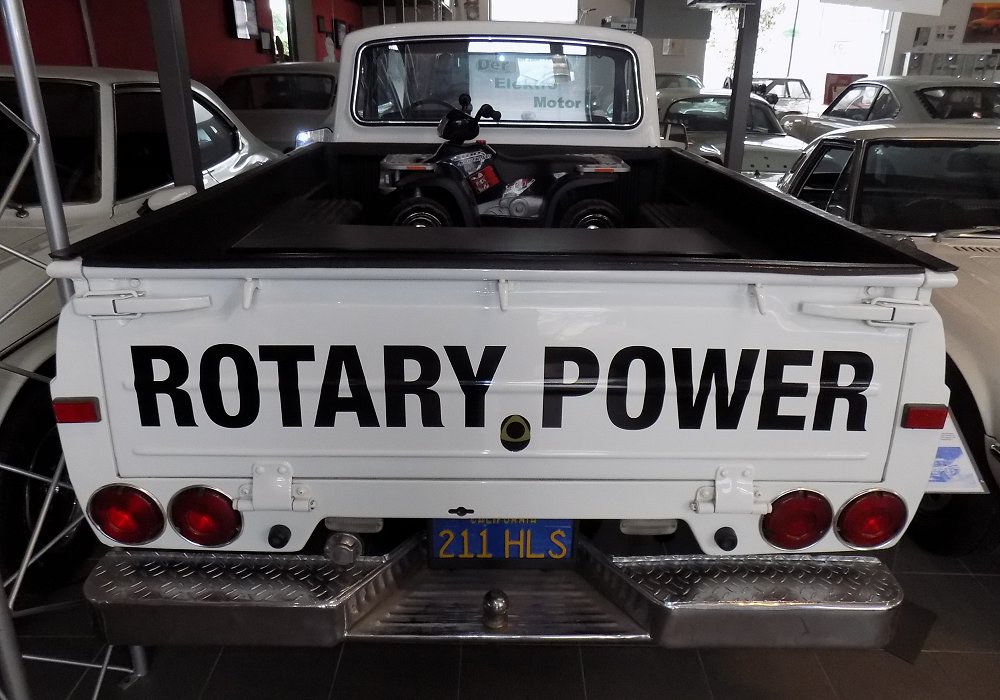
The Mazda Rotary Engine PickUp — commonly known as the Mazda REPU — was one of the most unusual and innovative utility vehicles of the 1970s and remains the only rotary-powered pickup ever mass-produced. Sold from 1974 to 1977, almost exclusively in North America, the REPU blended the smooth, high-revving performance of Mazda’s rotary engine with the practicality of a compact light truck. It became a cult classic among enthusiasts for its unique mechanical layout, lively character and unmistakable 1970s styling.
Power came from Mazda’s 13B twin-rotor Wankel engine, producing around 110–135 horsepower depending on model year and emissions equipment. Unlike piston engines in rival compact pickups, the rotary delivered exceptionally smooth, vibration-free power that encouraged rev-happy driving. The 13B’s responsiveness gave the REPU performance more akin to a sporty coupe than a light truck, and its broad rev range made it surprisingly quick for its class. A four-speed manual gearbox was standard early on, with a five-speed manual arriving later; a three-speed automatic was optional. The manual transmissions best showcased the rotary’s lively character, allowing the driver to keep the engine in its powerband.
The chassis was based loosely on Mazda’s B-series pickup platform but heavily re-engineered for the rotary. Mazda widened the track, upgraded the brakes and tuned the suspension for better road holding. Independent front suspension with coil springs and a live rear axle with leaf springs gave the REPU a comfortable ride for its class and confident handling when unladen. The lightweight rotary engine improved weight distribution, making the truck more stable and agile than its piston-powered competitors. Even with modest load capability compared to heavier domestic pickups, the REPU offered excellent manoeuvrability and a distinctly car-like driving feel.
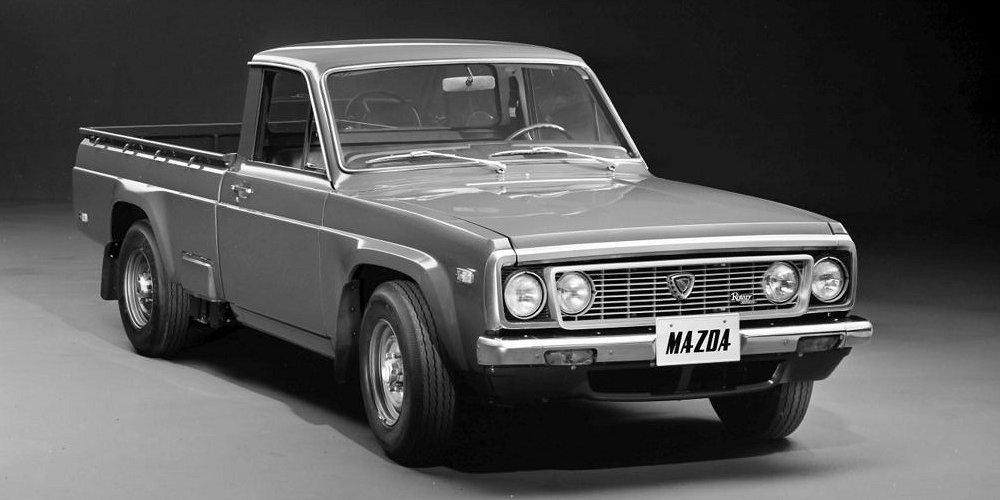
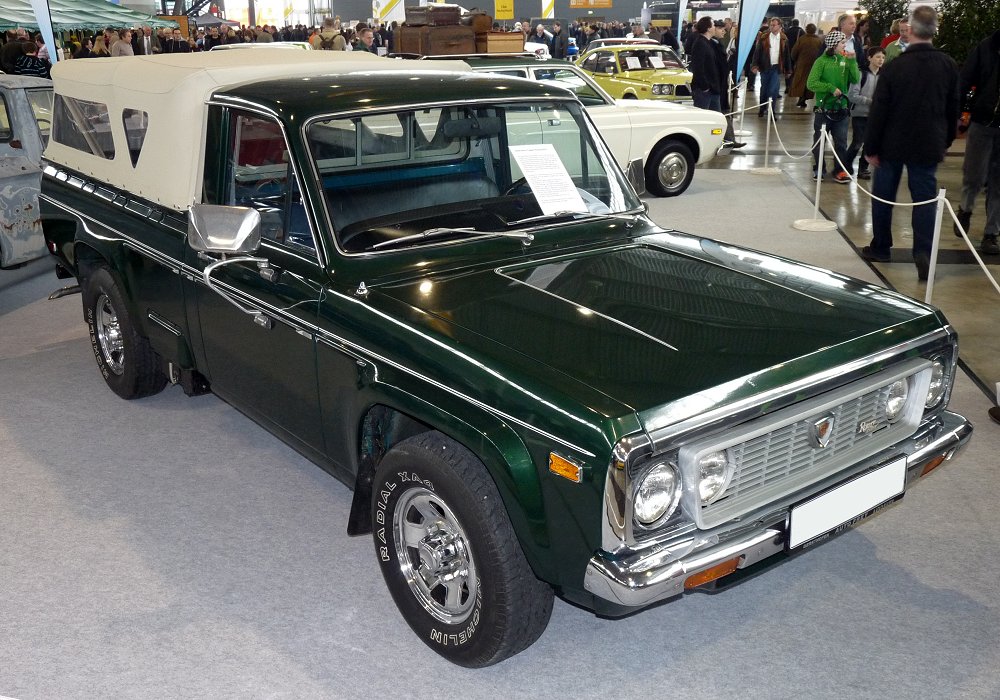
Styling was pure 1970s Mazda, with sharp lines, a slightly forward-leaning stance and sporty touches that set it apart from ordinary compact trucks. The front featured quad round headlights, a bold grille and a clean bumper design. Flared rear quarter panels and a subtly sculpted bonnet added visual interest, giving the REPU a more athletic appearance. Period paint colours and stripe packages enhanced the sense of uniqueness. The bed was practical for light-duty work, and the truck’s compact size made it easy to park and manoeuvre in urban environments.
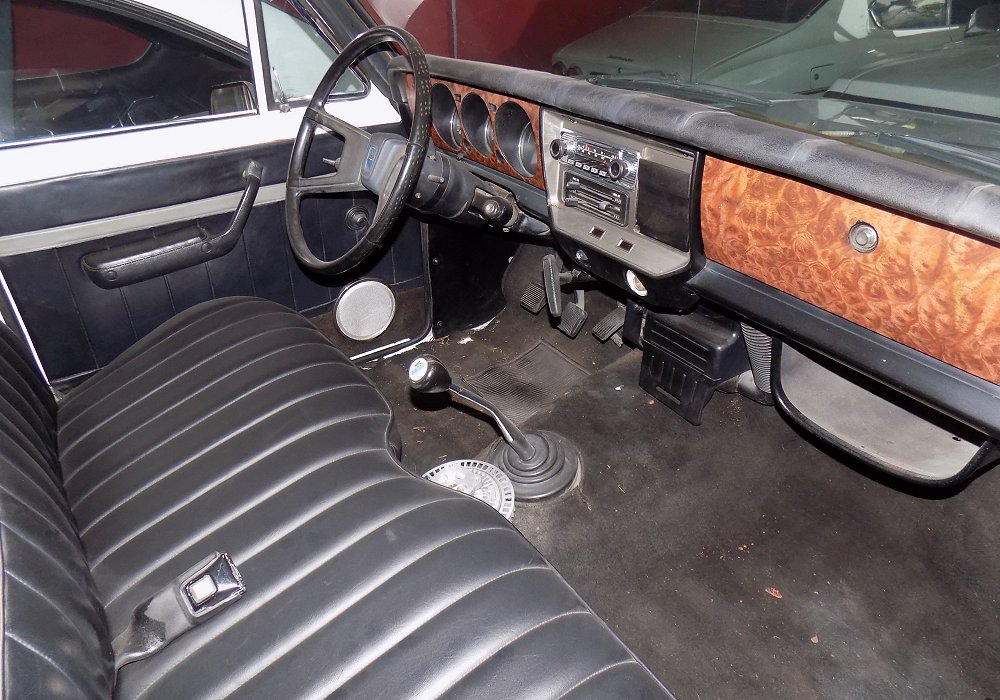
Inside, the REPU was more driver-oriented than most pickups of the era. The dashboard carried clear, sporty instrumentation including a tachometer — essential in any rotary-powered vehicle — and the cabin used sturdier, more refined materials than many rivals. Seating was comfortable for two, and the upright driving position gave good visibility. The interior was still basic compared with passenger cars, but it felt more modern and better finished than typical work trucks of the mid-1970s.
On the road, the REPU delivered a driving experience completely unlike any other pickup. The rotary engine revved eagerly and produced a smooth, rising note that contrasted sharply with the agricultural feel of competing small trucks. Acceleration was brisk, and the truck felt light and willing even on twisting roads. Steering was precise, and the wide track improved stability. The REPU’s handling and refinement made it particularly appealing to younger buyers and enthusiasts who wanted performance and practicality in one unusual package.
The Mazda Rotary Engine PickUp arrived at a difficult moment in automotive history. The 1973 oil crisis and rising fuel costs made rotary engines — known for their thirst — a tough sell in the U.S. market. Mazda continued to refine the rotary’s emissions and economy, but its efficiency could not match piston-engined rivals. As a result, production numbers remained modest, and the REPU was discontinued after 1977. Yet its uniqueness made it memorable, and it later developed a cult following among Mazda rotary enthusiasts.
Today the Mazda REPU is rare and highly sought after. Surviving examples command significant interest due to their historical importance, distinctive driving character and scarcity. Many enthusiasts value them for their connection to Mazda’s rotary heritage and for being the only factory-built rotary pickup ever offered to the public. As a bold fusion of performance engineering and utility design, the REPU stands as one of Mazda’s most distinctive and charismatic creations of the 1970s.