Description
The Mazda RX-3 was one of the most important rotary-powered cars Mazda ever produced, and a model that helped establish the company’s identity throughout the 1970s as the world’s most committed and capable champion of the Wankel engine. Introduced in 1971 and sold in Japan as the Mazda Savanna, the RX-3 sat between the R100 and the later RX-4 in Mazda’s rotary hierarchy. Compact, sharp-looking, mechanically distinctive and hugely successful in motorsport, it became a symbol of Mazda’s rotary ambitions at a time when the company was pushing its technology onto the world stage.
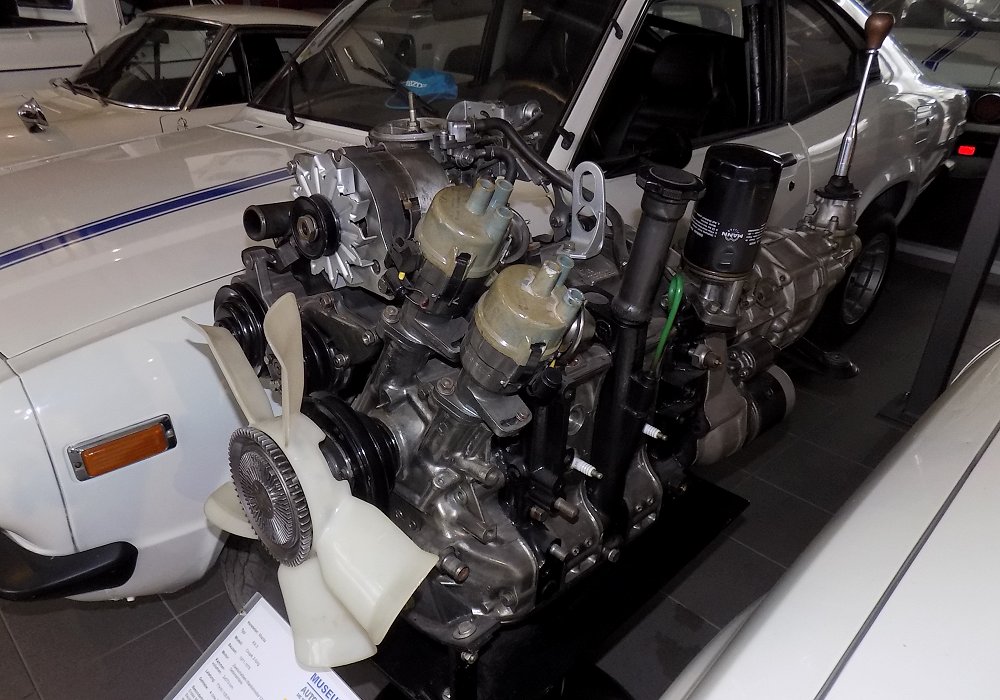
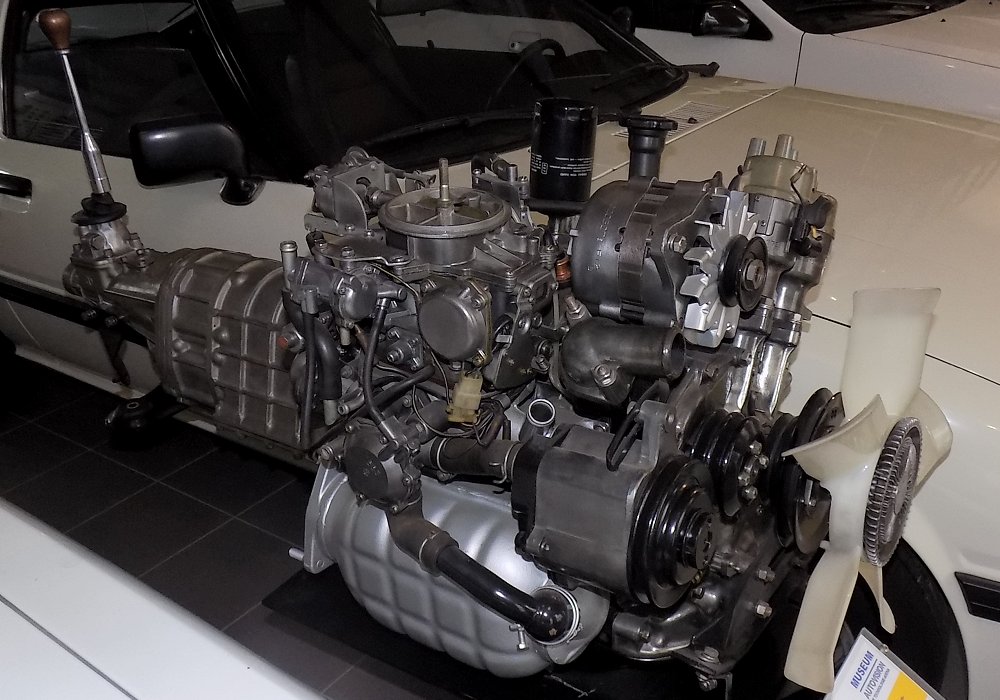
The RX-3 was powered initially by Mazda’s 10A twin-rotor engine, a compact 982 cc rotary unit that produced around 105 horsepower in early road versions. This gave the RX-3 performance well beyond most conventional small competitors of its era. In later years, the more powerful 12A rotary replaced the 10A, increasing torque and mid-range flexibility. Smooth, rev-happy and virtually vibration-free, the rotary gave the RX-3 a uniquely sophisticated feel. It delivered a rush of power at higher revs with an effortless, turbine-like character, and in combination with the car’s low weight, it made the RX-3 an agile, enthusiastic performer. Most models used a four-speed manual gearbox, although some markets also offered a five-speed or an automatic.
The chassis of the RX-3 shared its basic structure with the piston-engined Mazda Grand Familia, but rotary models received significant upgrades. Independent front suspension with coil springs and a leaf-sprung live rear axle provided a balance of comfort and control, and disc brakes at the front were fitted to handle the extra speed of the rotary engine. The RX-3’s compact proportions, light nose and tidy wheelbase gave it a nimble feel, making it particularly enjoyable on twisting roads. While the rear axle limited ultimate sophistication, the car was praised for its lively handling, good steering response and engaging rear-wheel-drive balance.
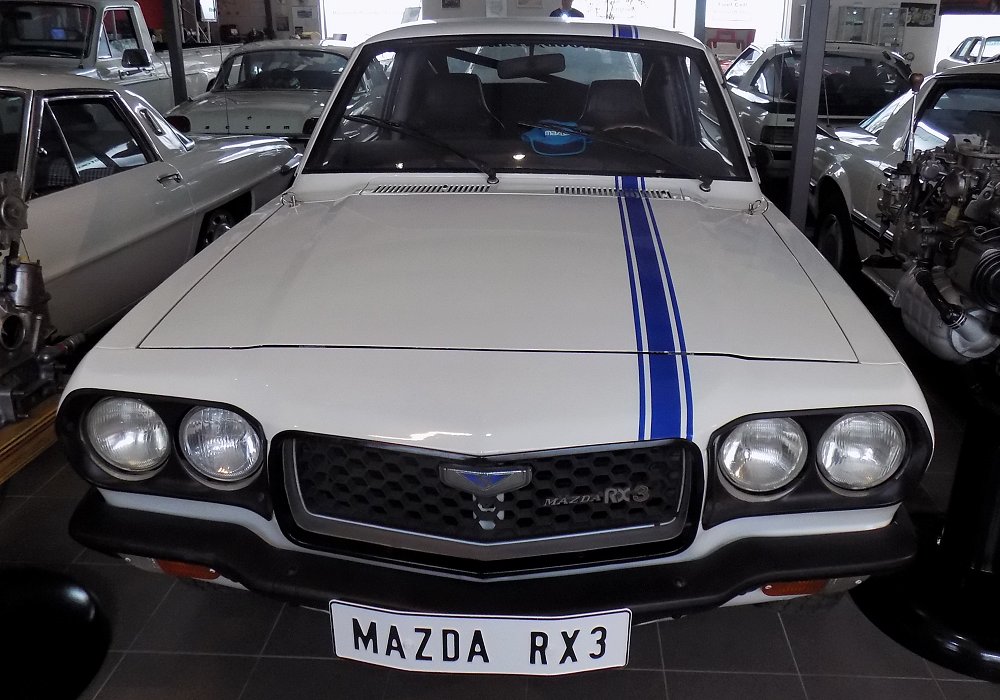
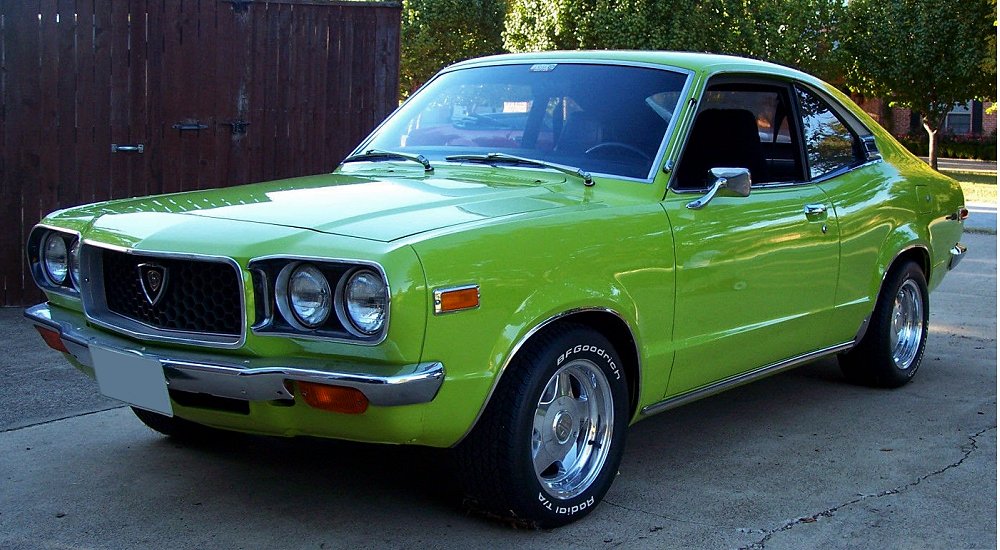
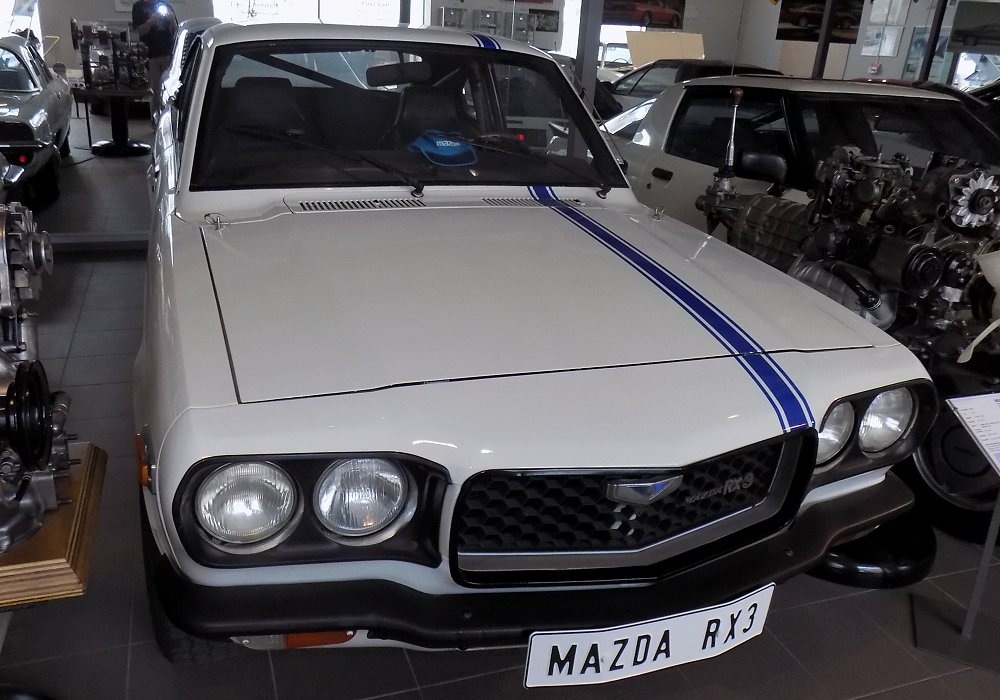
Styling played a major role in the RX-3’s appeal. The distinctive quad headlamps, slim grille and crisply defined profile gave the car a sharp, sporting presence. Mazda offered the RX-3 in coupé, sedan and estate forms, each with the same purposeful family design but tailored to different needs. The coupé was the most dramatic, with a sweeping roofline and tight proportions, while the sedan offered more practicality without losing the rotary-powered character. Small details such as unique badging, sportier trim and subtle bodywork differences set the RX-3 apart from its piston counterparts. It was a compact car that looked dynamic without being overly aggressive, and its styling has aged remarkably well.
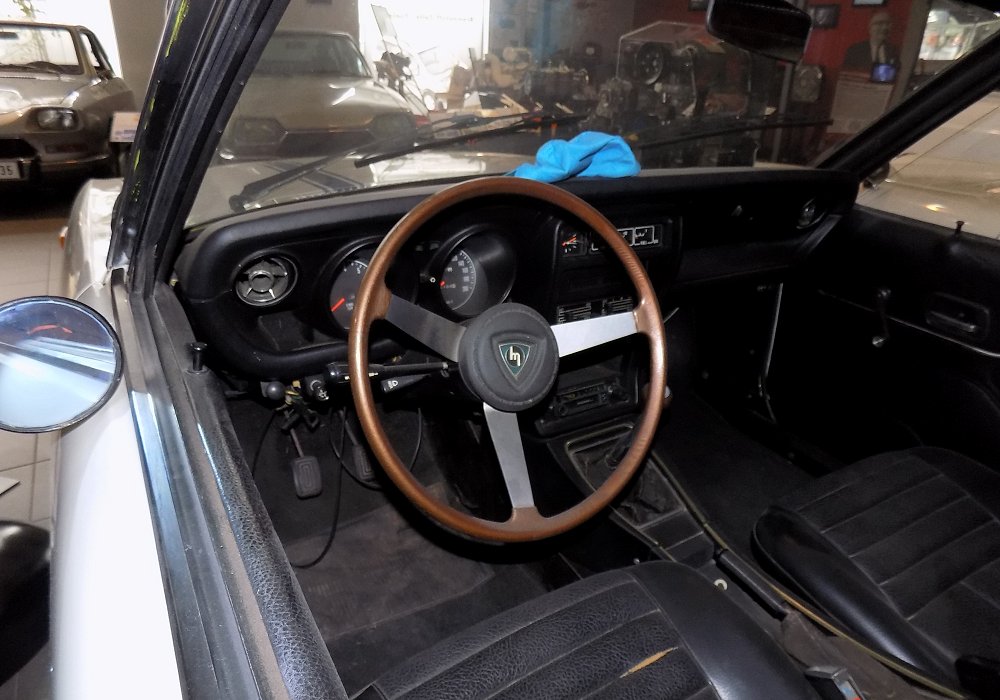
Inside, the RX-3 featured a clean, functional cabin with clear instrumentation and a prominent tachometer reflecting the engine’s high-revving nature. The materials were durable and straightforward, typical of Japanese cars of the era, and the seating was comfortable for daily use. Despite its performance focus, the RX-3 retained the practicality expected of a family car, especially in four-door and estate form. Visibility was excellent thanks to thin pillars and generous glass areas, contributing to the car’s approachable driving character.
On the road, the RX-3 offered a distinctive experience. The rotary engine delivered smooth, linear power with a willingness to rev that encouraged drivers to use the upper half of the tachometer. The car’s lightness made it feel lively and responsive, while the compact chassis provided agility and predictability. It excelled in both city environments and country-road driving, and although fuel economy was modest, the rotary’s unique refinement and performance made it worth the trade-off for many owners.
The RX-3 achieved significant fame for its racing success. Rotary-powered RX-3s became dominant in touring-car championships in Japan, Australia, New Zealand and the United States. One of the most famous moments came in 1973, when the RX-3 famously ended Nissan’s long winning streak in Japanese touring-car racing. Lightweight, rugged and surprisingly powerful, the RX-3 race cars earned a reputation for punching far above their weight. Their success cemented Mazda’s rotary credibility worldwide.
Production continued into the late 1970s, at which point the RX-3 gave way to the first-generation RX-7. But the legacy of the RX-3 endured. It represented the moment when Mazda perfected the formula for a compact rotary car: light, sharp, charismatic, practical and capable of serious performance both on the road and on the track.
Today, the Mazda RX-3 is one of the most sought-after early Japanese performance cars, prized by collectors for its rarity, motorsport heritage and unmistakable rotary personality. Whether as a coupé, sedan or estate, the RX-3 stands as one of Mazda’s great classics — a small car with enormous historical significance and a lasting influence on the rotary legend.