Description
The Mazda RX-5 Cosmo was Mazda’s stylish, luxury-oriented rotary grand tourer of the late 1970s — a car designed to take the rotary engine beyond lightweight sports models and into the realm of refined, long-distance motoring. Introduced in 1975 and positioned above the RX-3 and RX-4, the RX-5 (known simply as the “Cosmo” in Japan) was Mazda’s attempt to combine smooth rotary power with a more sophisticated driving experience and a distinctive, elegant design. It became one of the more unusual rotary cars of its era, offering comfort, character and a unique visual identity during a time when the rotary engine’s future was uncertain.
Power came from Mazda’s familiar twin-rotor 12A Wankel engine, displacing 1146 cc and producing around 110 horsepower depending on market specification. In some regions, a larger 13B rotary was also offered, providing a little more torque for high-speed cruising. Smoothness remained the rotary’s core attribute, with effortless revving, minimal vibration and a distinctive, rising exhaust note that set it apart from piston-engine rivals. Transmission options included a four- or five-speed manual gearbox or a three-speed automatic, with the manuals best suited to enjoying the engine’s high-revving nature. Though not an outright performance machine, the RX-5 delivered relaxed, refined cruising with the rotary’s characteristic smoothness.
The chassis followed Mazda’s traditional rear-wheel-drive layout, with MacPherson struts at the front and a coil-sprung live axle at the rear. The RX-5 was tuned more for comfort than sharp handling, offering a supple ride and stable, predictable manners at speed. The suspension absorbed rough surfaces well, making the car an easy and pleasant long-distance companion. Steering feel was light but accurate, and the car’s proportions — longer and more substantial than earlier rotary models — gave it a planted on-road presence. While the RX-5 lacked the adept handling of Mazda’s smaller sports models, its grace and smoothness made it a convincing rotary GT.
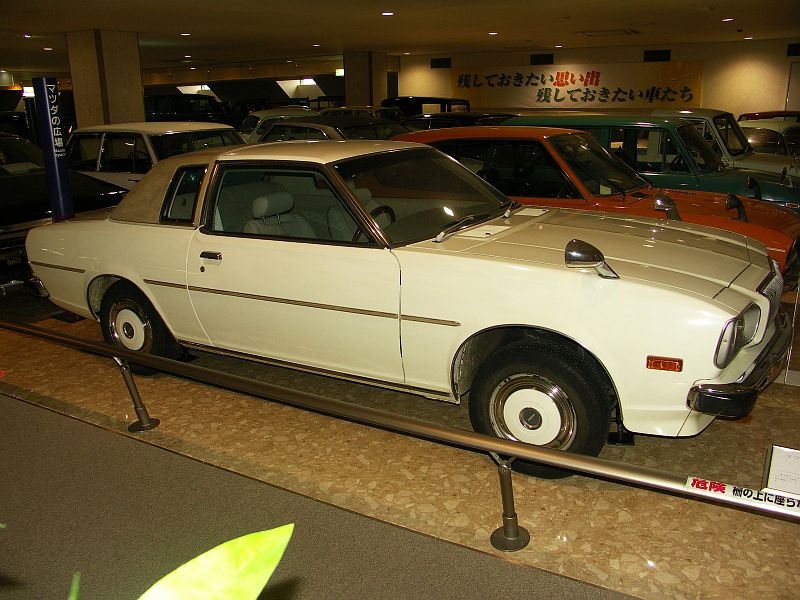
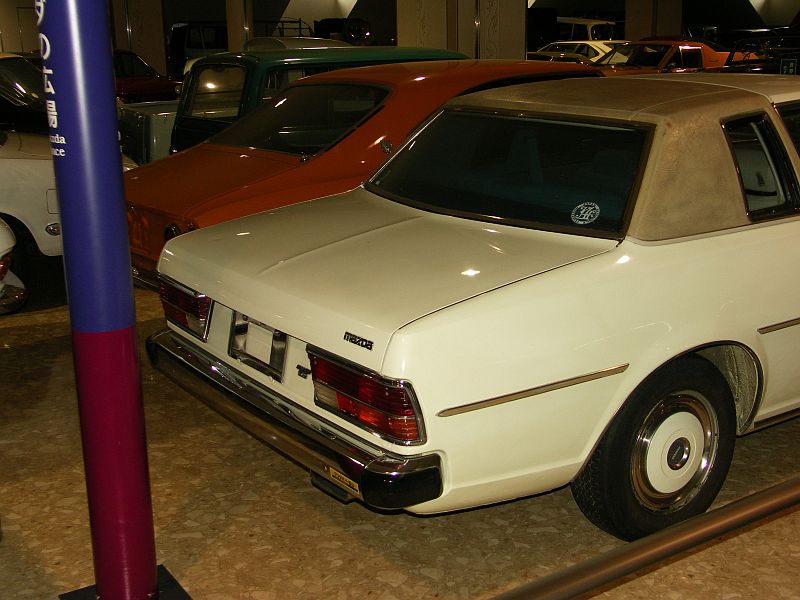
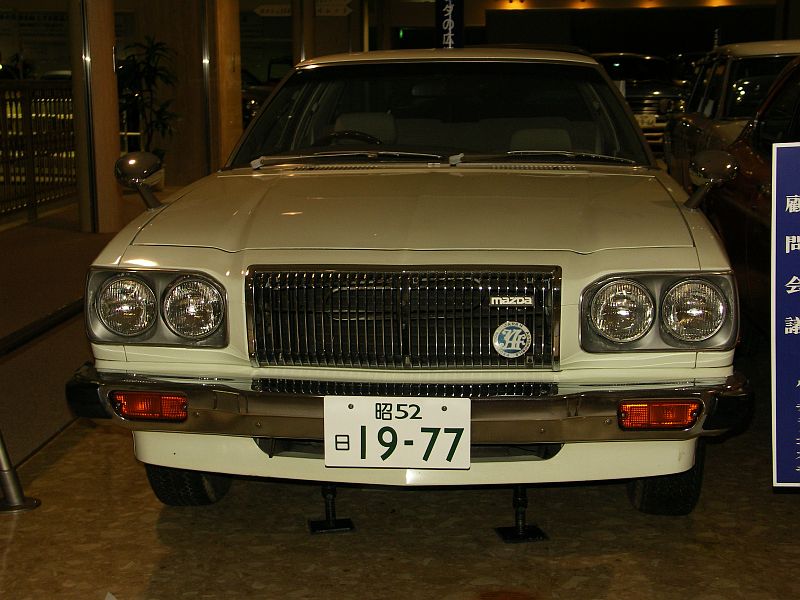
Styling was one of the RX-5 Cosmo’s most distinctive elements. Mazda gave the car an elegant fastback profile with a long bonnet, a wide stance and flowing lines that struck a balance between Japanese design language and contemporary European influences. The car’s wraparound glass, prominent fender curves and slim detailing created a sleek, almost futuristic look. Depending on market, the RX-5 was also available as a “Landau” variant with a distinctive vinyl-roof treatment and opera windows, reflecting the era’s taste for personal-luxury styling. The RX-5’s appearance set it clearly apart from other Mazdas of the period, making it one of the manufacturer’s most eye-catching models.
The interior offered a generously equipped, comfortable cabin aimed at buyers seeking luxury as well as novelty. The dashboard was wide and modern in layout, featuring large analogue instruments, metallic switchgear and plush materials typical of late-1970s Japanese grand tourers. Seats were soft and supportive, designed for long journeys rather than sporting intent. Many versions included air conditioning, electric windows, high-quality audio systems and extensive trim detailing. The overall feel was of a refined and slightly extravagant personal coupe, reflecting the car’s high price and premium ambitions.
On the road, the Mazda RX-5 Cosmo delivered a smooth and quiet driving experience. The rotary engine’s refinement made the car feel relaxed whether drifting through city streets or cruising along open roads. Acceleration was adequate rather than brisk, but the rotary’s willingness to rev gave the driver a sense of fluidity and lightness. The suspension and long wheelbase favoured comfort and stability, making the RX-5 particularly well suited to the kind of grand-touring journeys its styling suggested. While not a sports car in the mould of the later RX-7, it offered an enjoyable, distinctive flavour of rotary motoring.
The RX-5 Cosmo occupied an important transitional place in Mazda’s rotary history. It arrived during a turbulent period marked by global fuel crises and rising emissions regulations, factors that ultimately limited demand for rotary-powered luxury cars. Production numbers were modest compared with earlier rotary sedans and coupes, but the RX-5 demonstrated Mazda’s desire to explore the boundaries of what the rotary engine could power — and how refined and stylish a rotary GT could be.
Today, the Mazda RX-5 Cosmo stands as one of the rarest and most unusual rotary Mazdas. Its elegant styling, comfortable interior and smooth-revving engine give it a distinctive charm, and surviving examples are prized by rotary enthusiasts who appreciate its blend of luxury and technical interest. As a rotary-powered grand tourer with unmistakable 1970s character, the RX-5 Cosmo remains a fascinating chapter in Mazda’s rotary legacy.