Description
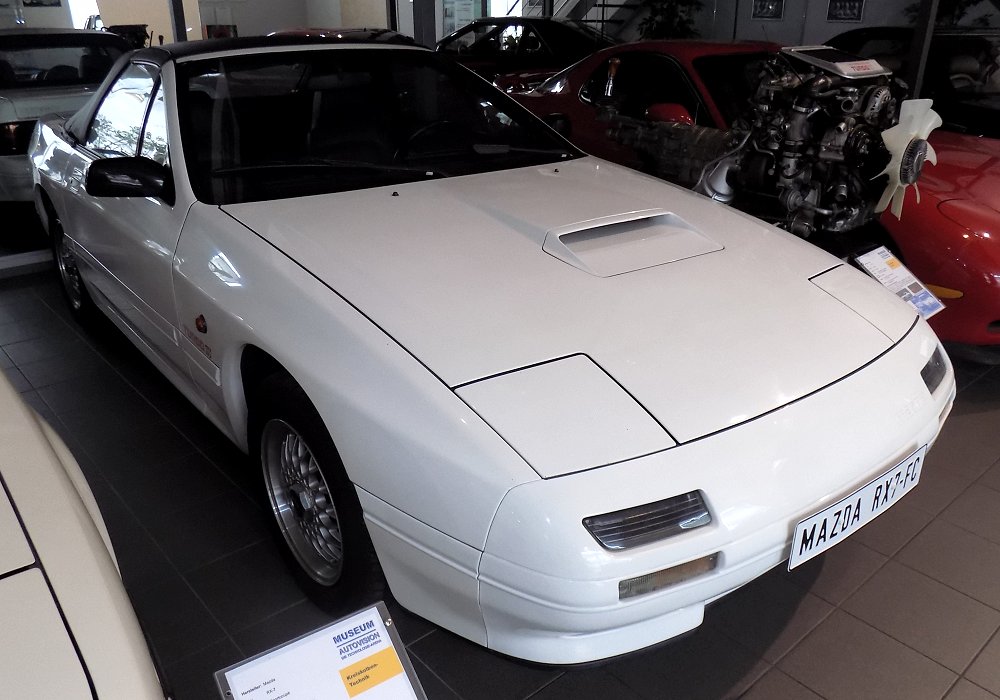
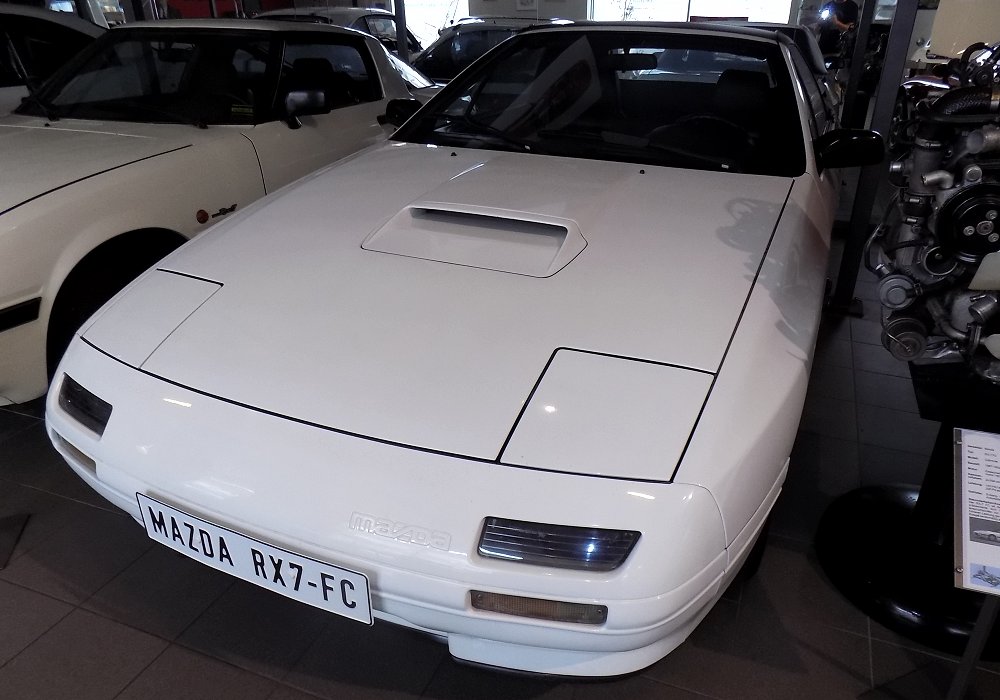
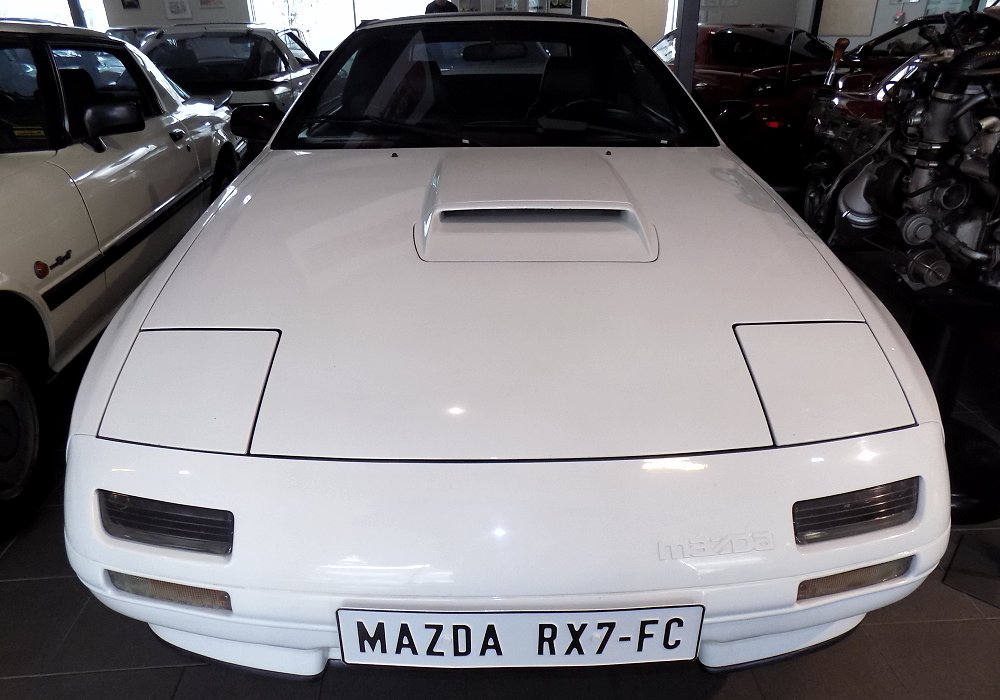
The Mazda RX-7 Turbo Cabriolet was one of the most unusual and distinctive variants of the RX-7 lineage — a stylish, open-top interpretation of Mazda’s rotary sports car, aimed at blending high-performance turbocharging with refined, luxurious cruising. Introduced during the FC generation and sold primarily in Japan (though also offered in limited numbers in Europe and North America as the RX-7 Convertible), the Turbo Cabriolet offered a unique combination of smooth rotary power, elegant design and grand-touring comfort.
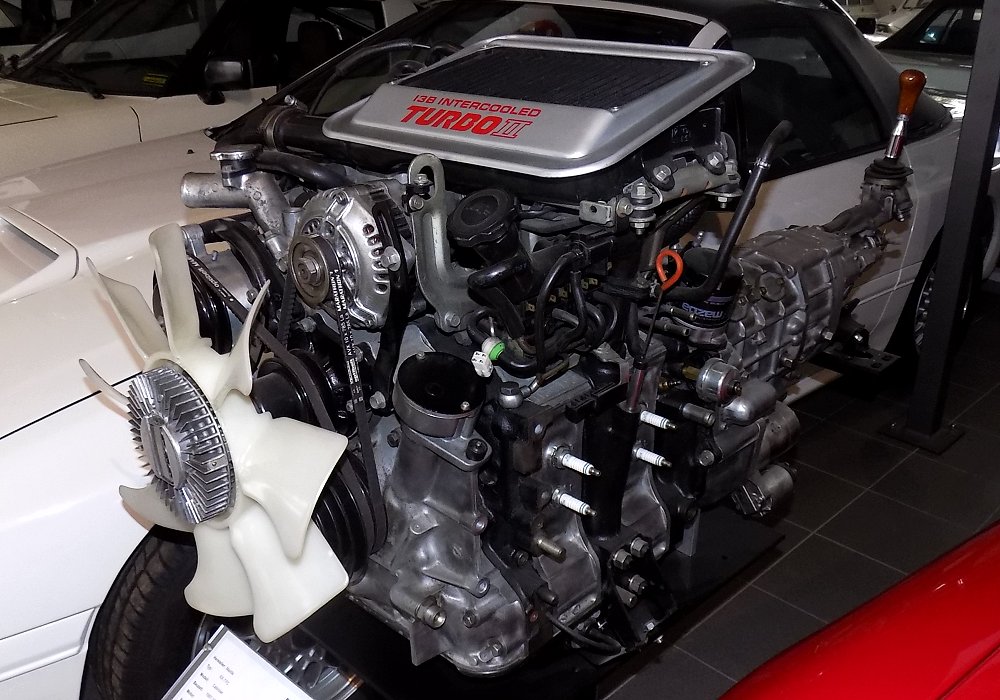
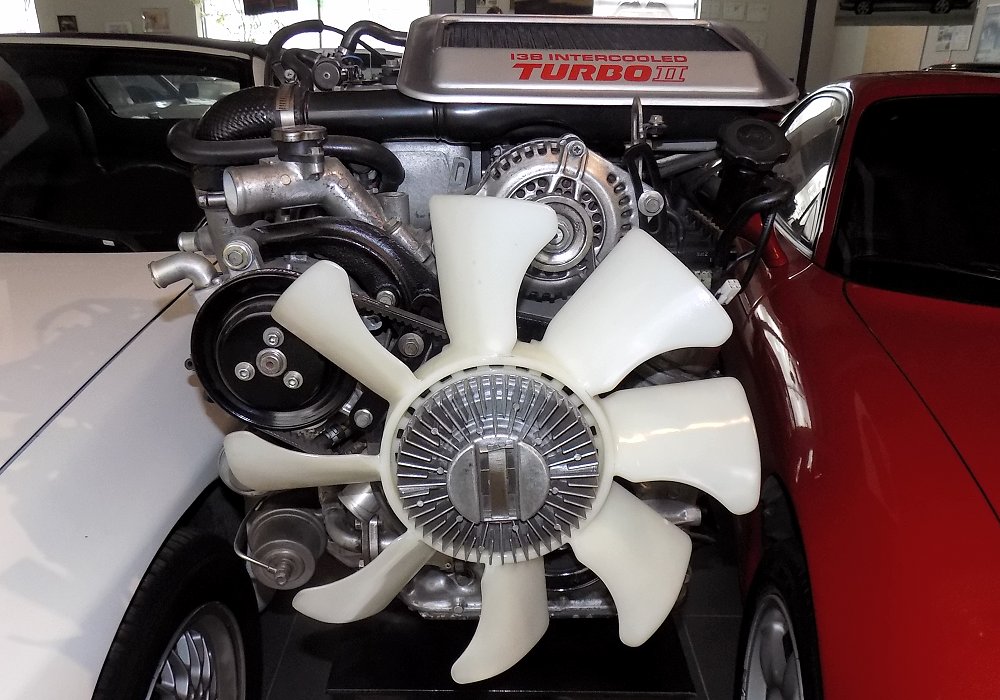
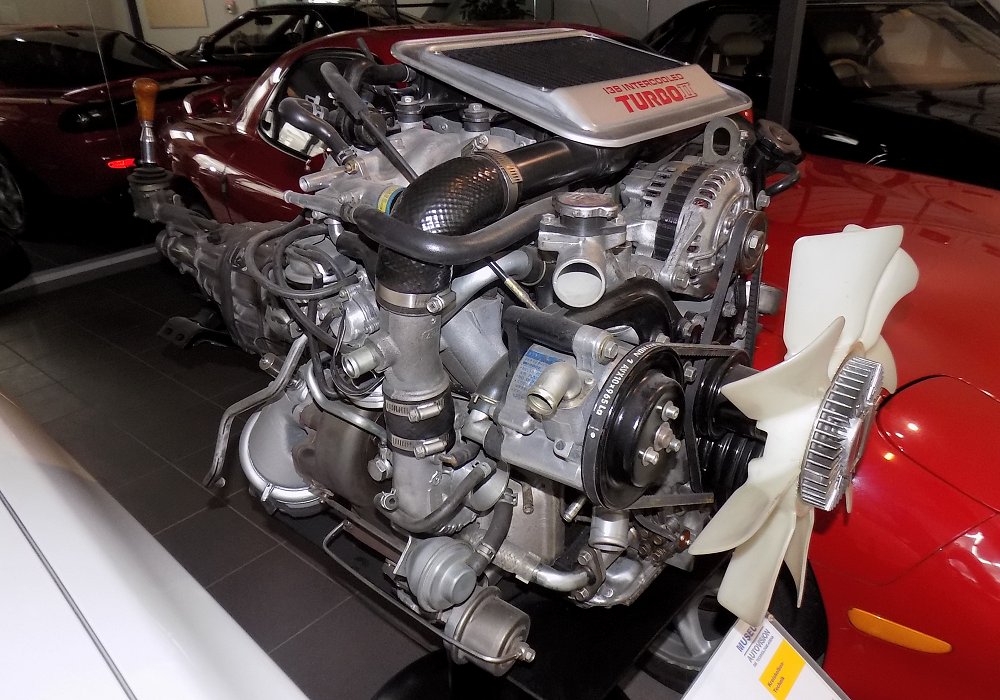
The heart of the Turbo Cabriolet was Mazda’s 13B-T twin-rotor turbocharged engine, producing around 182–200 horsepower depending on market. Smoothness remained the rotary’s signature trait, and the turbocharger added a broad wave of mid-range torque, making the Cabriolet more relaxed and effortless at everyday speeds than the naturally aspirated versions. The engine’s free-revving character and its ability to deliver power without vibration made it exceptionally well suited to open-top motoring. Most Turbo Cabriolets were paired with a four-speed automatic gearbox to emphasise refinement and cruising ability, though a five-speed manual was available in certain markets and offered a more engaging driving experience.
The chassis of the RX-7 FC was adapted carefully for convertible use. Mazda reinforced the sills, floorpan and transmission tunnel to maintain stiffness after removing the fixed roof. The additional structure added some weight, but the Cabriolet retained the RX-7’s balanced feel, with the rotary engine mounted low and far back in the bay to preserve the car’s excellent front-rear weight distribution. Suspension was fully independent, with struts up front and Mazda’s advanced multi-link rear system. Ride quality was tuned for comfort, giving the Cabriolet a smooth, composed character that suited its grand-touring personality while still offering the crisp turn-in and predictable handling expected from an RX-7.
Styling was one of the Turbo Cabriolet’s defining elements. Mazda designed an elegant, neatly integrated convertible roof system with a power-operated main section and a removable hard targa panel above the driver’s seat. This gave the car a distinctive dual-mode configuration: fully open for cruising, targa-style for structural stiffness and reduced wind exposure, or fully closed for year-round usability. The clean lines of the FC RX-7 were preserved, with the Cabriolet retaining its long bonnet, smooth wedge-influenced shape and wide stance. Turbo models added deeper front spoilers, discreet vents, alloy wheels and subtle badging. The overall look was refined, sporty and slightly exotic — especially compared with more angular competitors of the era.
Inside, the Turbo Cabriolet offered a more luxurious environment than standard RX-7 coupés. Mazda equipped the car with higher-grade upholstery, premium trim materials and additional comfort features. Many cars included leather seats, air conditioning, upgraded audio systems and power accessories. The dashboard layout was classic FC RX-7 — cleanly arranged, driver-focused and modern for its time. The low seating position and easy visibility over the bonnet gave the Cabriolet a sense of precision even when driven gently. Wind noise was reasonably well controlled thanks to thoughtful roof and window engineering.
On the road, the RX-7 Turbo Cabriolet delivered a wonderfully smooth and enjoyable driving experience. The 13B-T engine provided a strong surge of mid-range power that made overtaking effortless, while the rotary’s natural refinement meant the car felt calm and vibration-free even at higher cruising speeds. The reinforced chassis delivered good stability, and the suspension tuning absorbed bumps with a level of poise that made long journeys relaxing. With the roof open, the smoothness of the rotary and the balanced handling created a light, elegant driving character that few convertibles of the era could match. While the Cabriolet was not as sharp or agile as the lighter RX-7 coupé, it remained composed, capable and enjoyable on winding roads.
The RX-7 Turbo Cabriolet played an interesting role in Mazda’s rotary history. It showed that the smoothness of the rotary engine could be adapted for luxury as well as performance, and that the RX-7 platform had the flexibility to become a refined grand tourer without losing its core identity. Although it sold in modest numbers compared with the coupé, it became a distinctive symbol of Mazda’s engineering versatility.
Today, the Mazda RX-7 Turbo Cabriolet is a rare and desirable classic. Its combination of turbocharged rotary power, elegant convertible design and 1980s style makes it one of the most distinctive rotary cars Mazda ever built. Enthusiasts value it for its smooth driving experience, unusual configuration and its important place as the only open-top turbocharged RX-7 ever offered by Mazda.