
Description
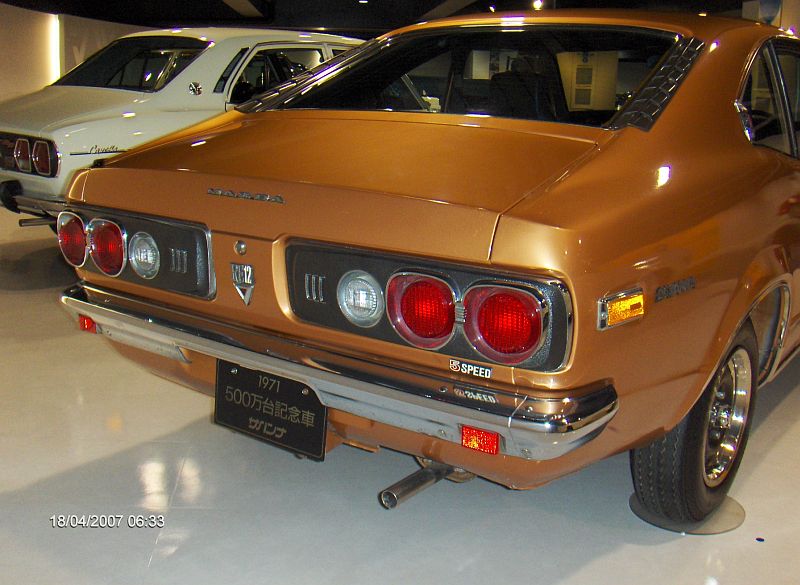
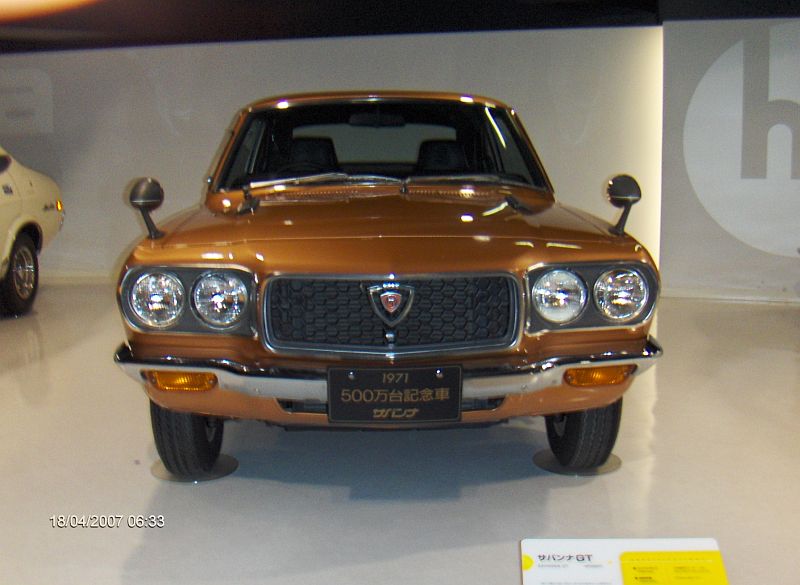
The Mazda Savanna GT was the most performance-focused and highly developed version of the first-generation Savanna (the Japanese domestic name for the RX-3), representing Mazda’s determination to refine the rotary engine into a serious, desirable and genuinely competitive sporting package. Introduced in 1972, the Savanna GT sat above the standard coupe and sedan models, offering more power, sharper styling and a driver-oriented character that helped cement the RX-3 family as one of Mazda’s great rotary icons of the 1970s. Compact, aggressive and mechanically distinctive, the Savanna GT quickly earned a reputation as one of the most exciting small performance cars of its time.
Under the bonnet, the Savanna GT was powered by Mazda’s larger 12A twin-rotor engine rather than the earlier 10A. With a displacement of 1146 cc (measured by rotary standards) and output figures in the region of 125 horsepower depending on market, the 12A gave the GT strong mid-range torque, quicker acceleration and a broader powerband than its smaller-engined siblings. Smooth, high-revving and uniquely free of vibration, the rotary engine provided the GT with a character that no piston-engined rival could match. The car felt eager and alive at higher revs, encouraging spirited driving through the four-speed manual gearbox. This combination of light weight and rotary smoothness defined the GT’s personality: compact, responsive and distinctly Mazda.
The chassis retained the basic layout of the Savanna coupe, using independent coil-spring front suspension and a leaf-sprung live rear axle. However, the GT benefited from firmer suspension tuning, improved damping and the more capable braking system needed to match its higher performance. Disc brakes were fitted at the front, an essential upgrade given the GT’s greater speed and its intended enthusiast-driver audience. The car’s lightness — a key rotary advantage — gave it an alert, agile feel, and its compact wheelbase made it exceptionally nimble on tight roads. While the live rear axle limited ultimate sophistication, the GT was praised for its balance, direct steering and engaging, classic rear-wheel-drive character.
Stylistically, the Savanna GT distinguished itself from the standard RX-3 models with more aggressive and sporting details. The front end adopted a deeper, more purposeful nose with quad headlamps, a sharp grille and additional air intakes to feed the rotary. A subtle bonnet bulge signalled the larger 12A engine beneath, while the GT wore sportier wheel designs and trim elements that emphasised its performance intentions. The coupe body, already one of Mazda’s most striking early-1970s designs, gained an extra sense of purpose in GT form, with crisper detailing and a more assertive stance. The Savanna GT became instantly recognisable in period, a compact car that looked ready for competition.
Inside, the GT featured a more sporting atmosphere than the standard Savanna models. Clear round gauges, including a prominently placed tachometer, reflected the rotary’s high-revving nature. The cabin was straightforward but purposeful, with firmer seating, sportier trim highlights and the same thin pillars and large windows that defined the RX-3’s excellent visibility. Although still practical for everyday use, the interior of the GT made no secret of its driver-focused priorities. The light, compact controls and rotary’s seamless power delivery reinforced the sensation of being in an agile, performance-oriented machine.
On the road, the Savanna GT delivered one of the most characterful driving experiences of any compact 1970s Japanese car. The 12A engine felt energetic and urgent, pulling strongly to high revs with the smooth intensity that only a rotary can provide. The car’s low weight made acceleration brisk, and the firm suspension gave it confident turn-in and excellent composure on winding roads. It was a car that rewarded enthusiastic driving yet remained manageable and friendly for everyday use. The exhaust note — a distinctive rotary rasp — gave the GT an unmistakable presence on the road.
The Savanna GT also benefitted from the RX-3’s motorsport pedigree. Rotary-powered RX-3s achieved significant success in touring-car racing, famously challenging and sometimes beating larger, more powerful piston rivals. The GT shared this engineering DNA, and its competition influence contributed greatly to its reputation among enthusiasts.
Production continued until the late 1970s, after which the Savanna line evolved into the RX-7. Despite this, the GT’s legacy endured. It represented the moment when Mazda perfected the formula for a compact rotary coupe that combined practicality, performance and distinctive character.
Today, the Mazda Savanna GT is highly sought after among collectors of classic Japanese performance cars. It stands as one of Mazda’s most iconic early rotary road cars — a compact, sharp-edged, high-revving machine with the heart of a racer and the practicality of a family coupe. As a symbol of Mazda’s bold rotary ambition, the Savanna GT remains one of the company’s most beloved classics.