Description
The Mazda Xedos 6 1.6i was the entry-level version of Mazda’s compact–executive saloon, offering the same elegant design, refined chassis and premium-leaning interior as the V6 models, but powered by a more economical four-cylinder engine. Sold mainly in select European markets between 1992 and 1999, the 1.6i variant was aimed at buyers who wanted the style and sophistication of the Xedos range without the insurance and running-cost premiums associated with the 2.0-litre V6. Although less powerful, it retained the quiet, polished character that defined the Xedos 6, and it helped broaden the model’s accessibility.
Power came from Mazda’s B6-series 1.6-litre 16-valve inline-four, a reliable and efficient engine familiar from other Mazda models of the era. In the Xedos 6 it produced around 106–110 horsepower depending on market tuning, giving the car modest performance but smooth and predictable power delivery. The engine was light, mechanically quiet and designed for long-term durability. It worked best when paired with the five-speed manual gearbox, which allowed drivers to make the most of its rev-friendly nature. A four-speed automatic was offered in some regions, but it tended to blunt the engine’s modest output and was far less common. While not brisk, the 1.6i was responsive enough for everyday driving and rewarded steady, unhurried progress.
The chassis was identical to the more powerful versions, and this became one of the 1.6i’s greatest strengths. The Xedos 6 used fully independent suspension, with MacPherson struts at the front and a sophisticated multi-link rear setup. This gave the car a smooth, composed ride quality and a high level of stability at speed. The smaller, lighter engine provided excellent weight distribution, and the car felt balanced, predictable and surprisingly agile. Steering was light but precise, and the suspension tuning gave the car a refined European feel. Reviewers often praised the Xedos 6 — even in 1.6 form — as one of Mazda’s best-handling saloons.
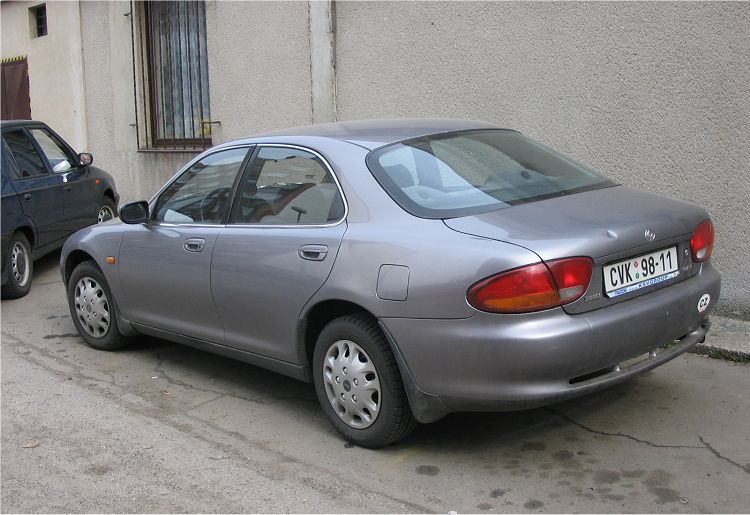
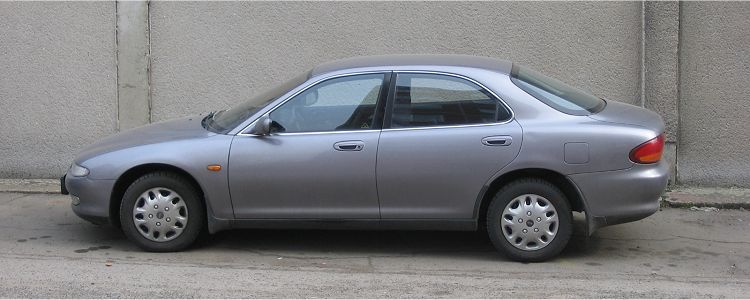
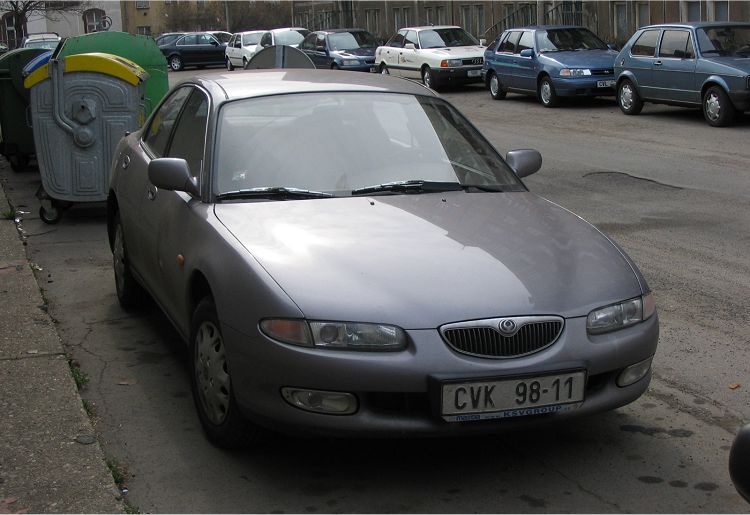
Styling was identical to the V6 models, meaning the 1.6i shared the same flowing, aerodynamic lines and minimalist elegance that made the Xedos 6 stand out. The shape was smooth and timeless, with a low bonnet, narrow headlamps and a clean, uncluttered profile that drew comparisons to contemporary Jaguars and Lexus models. The 1.6i typically came with simpler wheel designs and slightly less chrome or exterior detailing, but the overall appearance remained sophisticated and distinctive. Its design aged exceptionally well, and even the entry-level model looked upscale compared with many rivals.
Inside, the Xedos 6 1.6i featured the same tastefully designed, high-quality cabin as its more expensive siblings, though trim levels varied by market. The dashboard was clean and understated, with soft-touch materials and an emphasis on symmetry. The seats were supportive and comfortable, well suited to long journeys, and the driving position was low, precise and slightly sporty. Equipment levels were modest on the base models — usually including power steering, electric windows, a quality stereo and central locking — with air conditioning and higher-grade upholstery available on more fully specified variants. Even in simpler trims, the cabin felt refined, quiet and better finished than many competitors in its price bracket.
On the road, the Xedos 6 1.6i delivered a calm, measured and composed driving experience. The engine provided adequate performance for daily commuting and open-road driving, while the chassis maintained excellent comfort and stability. It encouraged smooth, steady progress rather than spirited acceleration, but the underlying sophistication of the suspension made it enjoyable to drive on twisting roads and exceptionally comfortable on motorways. Road noise and wind noise were low, and the long-distance refinement remained one of the car’s defining qualities.
The Xedos 6 1.6i played an important role in Mazda’s attempt to build a near-luxury division. It allowed the model to reach a broader audience without compromising its core virtues of refinement, design quality and driving poise. While it lacked the effortless surge of the 2.0 V6, it offered the same elegance and engineering integrity at a lower cost.
Today the Xedos 6 1.6i is rare, as many were used extensively and later overshadowed by the more desirable V6 models. However, enthusiasts who appreciate its design purity and balanced chassis increasingly recognise the appeal of the lighter four-cylinder version. As an understated, refined and well-engineered compact executive saloon, the Xedos 6 1.6i remains one of Mazda’s most overlooked but charming 1990s offerings.