Description
The McLaren F1 XP1 LM was the very first prototype built for the F1 LM programme, created in 1995 to celebrate McLaren’s dominant performance at the 24 Hours of Le Mans. The LM project aimed to build the most extreme, road-going interpretation of the McLaren F1—lighter, faster and even more focused than the standard car—using lessons and components from the Le Mans-winning F1 GTRs. XP1 LM was the development car where nearly every aspect of the LM specification was tested, refined and validated. Although overshadowed by the five customer LMs that followed, XP1 LM is one of the rarest and most historically important F1s ever built.
XP1 LM was powered by the McLaren F1’s greatest engine: the unrestricted BMW S70/2 6.1-litre naturally aspirated V12, producing around 680 horsepower in LM tune. This was the same specification used by the Le Mans–winning 1995 GTRs, but without race restrictors or endurance-focused limitations. The result was an engine with astonishing throttle response, immense mid-range torque and a soaring top end, all delivered in an immediate, unfiltered way that reflected Gordon Murray’s obsession with mechanical purity. The V12 drove through a close-ratio six-speed manual gearbox, giving XP1 LM explosive acceleration and an even more visceral character than the already-ferocious standard F1.
The chassis was based on the F1 road car’s carbon-fibre monocoque but reworked extensively during XP1 LM’s development. McLaren placed significant effort into reducing unsprung mass, improving rigidity and upgrading the cooling system to match the higher power output. XP1 LM used racing-derived components including uprated brakes, revised suspension geometry and LM-specification dampers that enhanced stability at extreme speeds. Weight was stripped wherever possible, leaving XP1 LM significantly lighter than the standard F1, with sharper responses and greater agility.
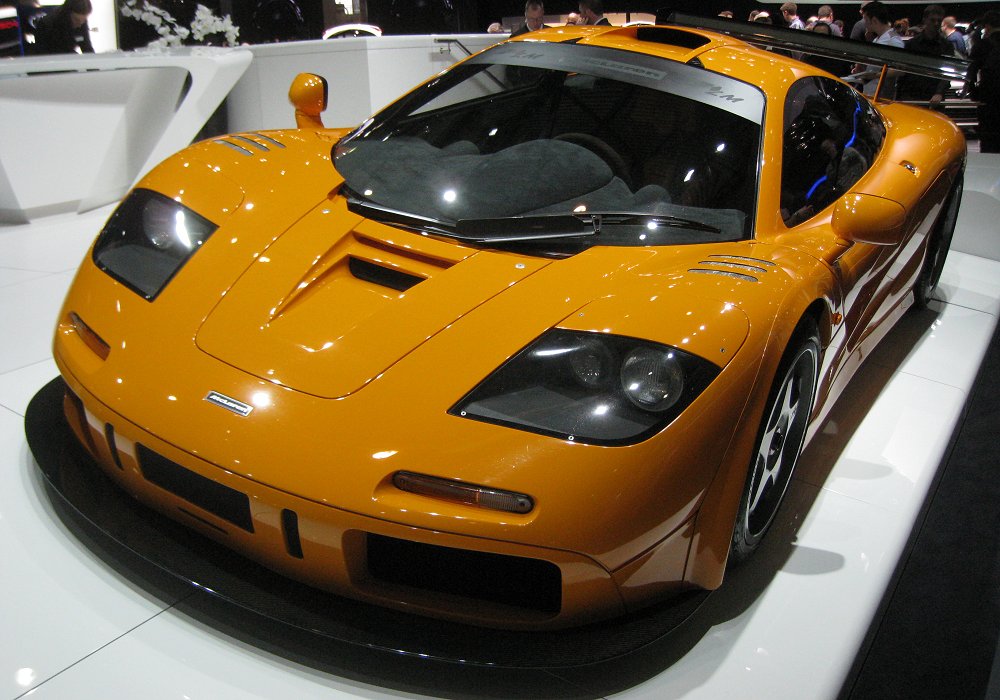
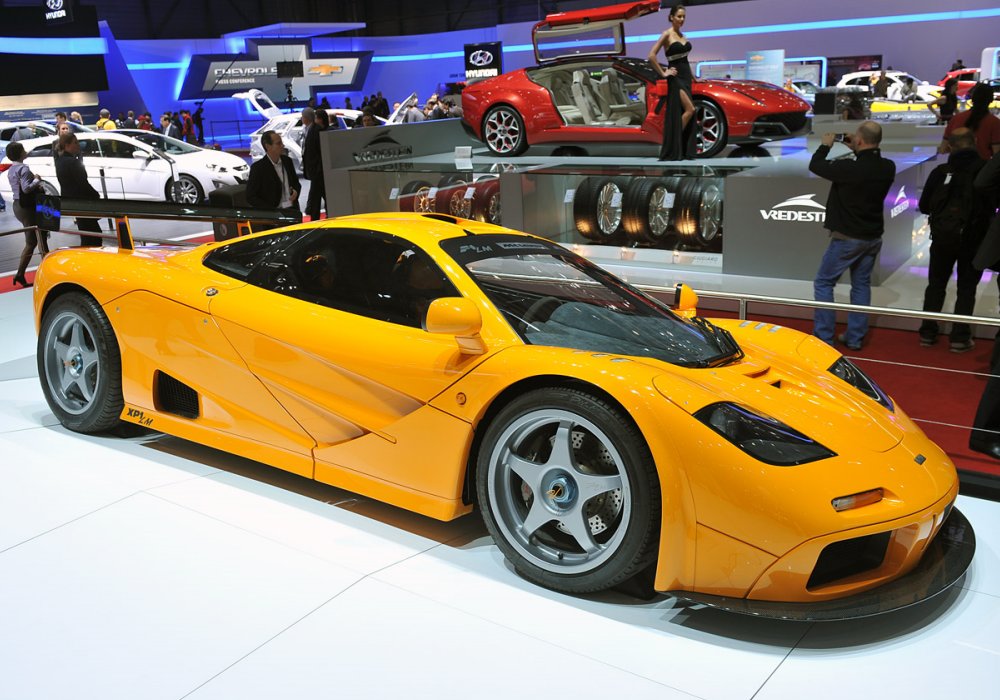
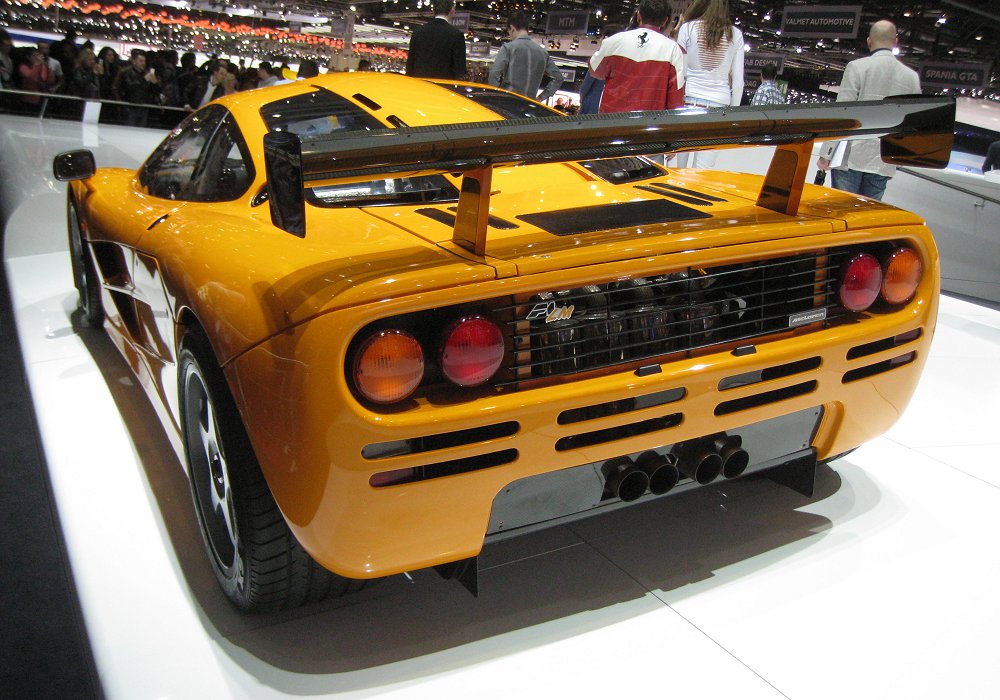
Aerodynamics were one of the most defining elements of the LM programme, and XP1 LM served as the test platform for all major changes. The car received the signature LM high-downforce kit, including the fixed rear wing, deeper front splitter, reshaped front bumper, revised side vents and underbody improvements. These changes dramatically increased high-speed downforce compared with the standard F1, giving XP1 LM greater stability under braking and sharper turn-in at speed. Much of this aerodynamic work was rooted in the F1 GTR’s racing development, but XP1 LM refined it for fast road use.
Visually, XP1 LM had the unmistakable presence of the LM series. The body carried the clean, compact proportions of the original F1 but transformed by the aero package, giving it a purposeful, planted stance. Like all LMs, XP1 LM was finished in McLaren’s famous Papaya Orange, paying homage to the company’s early racing colours. Lightweight OZ racing wheels completed the LM look, emphasising performance over elegance.
Inside, XP1 LM retained the F1’s central driving position, but nearly all comfort-oriented equipment from the standard road car was removed. Air-conditioning, sound insulation, interior trim panels and luxury fittings were deleted in the name of weight saving. The cabin was finished with exposed carbon composite sections, LM-specific bucket seats, a pared-down dashboard and only essential instrumentation. It was a cockpit designed for focus and driver engagement, delivering a rawer experience than any other F1 derivative.
On the road, XP1 LM was a machine of astonishing intensity. With its reduced weight, massive downforce, razor-sharp throttle response and unrestricted V12, the car delivered performance rivaling that of period GT1 racing machines. Acceleration was brutal and immediate, cornering grip was far beyond that of the original F1, and the car felt lighter, more connected and more reactive. Drivers described a sense of mechanical purity, where every input produced a direct, unfiltered response, making XP1 LM feel closer to a Le Mans prototype than a road-legal supercar.
XP1 LM played a crucial role in refining the LM specification before McLaren constructed the five customer cars. It was used for high-speed development, aerodynamic calibration, cooling evaluation and component validation. As a result, XP1 LM was driven harder and tested more rigorously than any other LM. Its importance to McLaren’s development process makes it one of the most historically significant McLaren F1s ever built.
Today, the McLaren F1 XP1 LM is extraordinarily rare and among the most coveted pieces of McLaren history. As the original prototype of the LM programme and the first car to combine the road-legal F1 platform with full Le Mans-spec mechanicals, XP1 LM stands as a unique expression of the F1’s engineering potential. Its significance, rarity and connection to McLaren’s 1995 Le Mans victory give it an almost mythic status among collectors and enthusiasts—an essential chapter in the story of the world’s greatest analogue supercar.