
Description
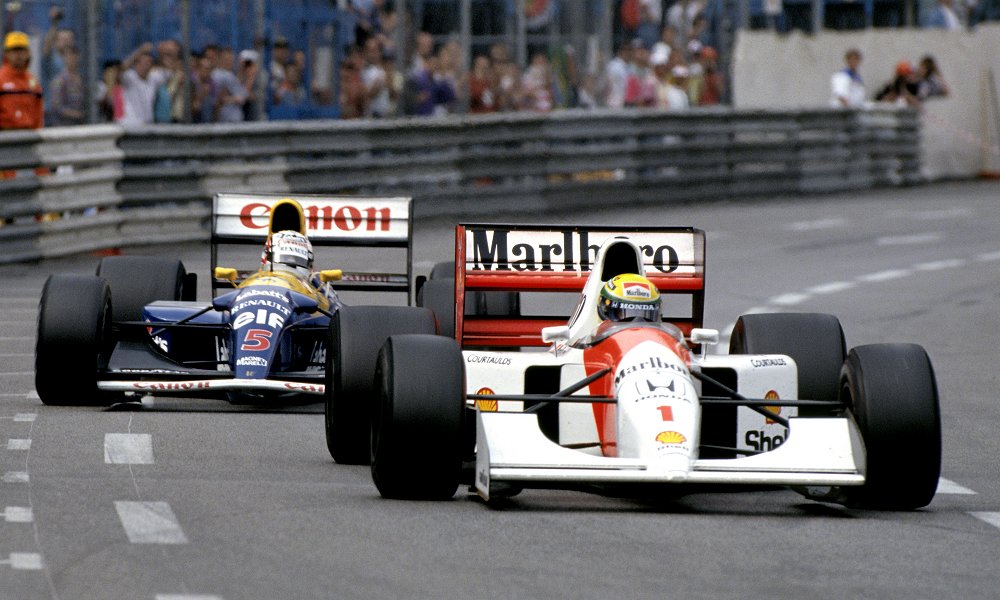
The McLaren MP4/7 Honda represented a major technological shift for McLaren, marking the team’s transition into the electronic-era of Formula One. Raced in the 1992 season, it succeeded the championship-winning MP4/6 but faced a dramatically more competitive environment, particularly against the Williams FW14B and FW15C, which introduced semi-active suspension and advanced electronic systems that reshaped the sport. The MP4/7 was fast, sophisticated and powerful, but it arrived at a moment when McLaren’s longstanding technical advantages were being challenged by new engineering philosophies.
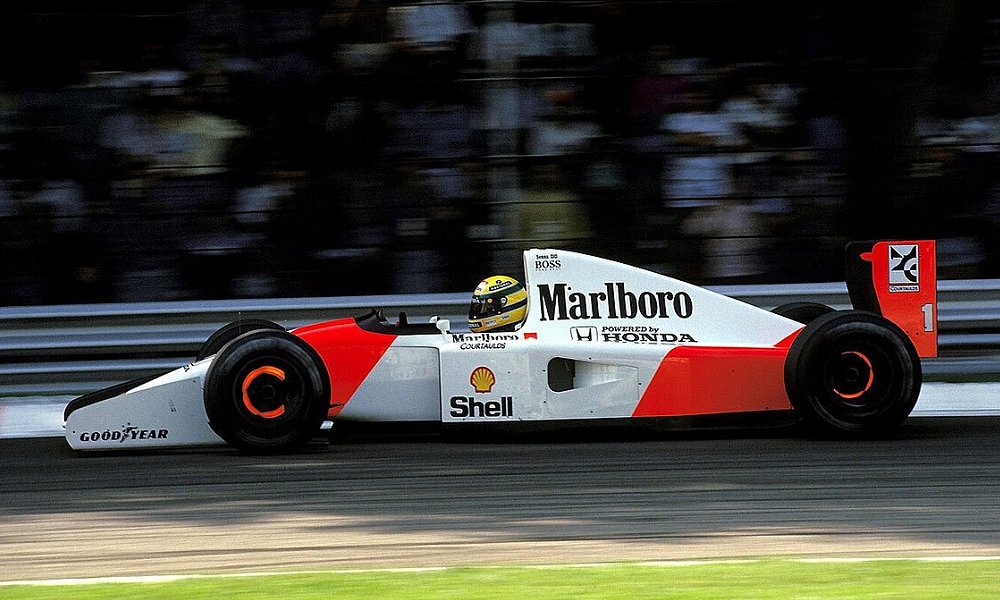
The MP4/7 was powered by Honda’s RA122E/B 3.5-litre V12 engine, the final Formula One engine Honda developed before withdrawing from the sport at the end of 1992. This V12 produced around 735 horsepower in race trim and was capable of even higher figures in qualifying. It retained the smooth delivery and high-revving nature of the previous Honda units but incorporated major internal revisions to improve efficiency, durability and throttle response. The engine’s wide architecture, however, created significant packaging challenges and placed extra demands on cooling and chassis layout.
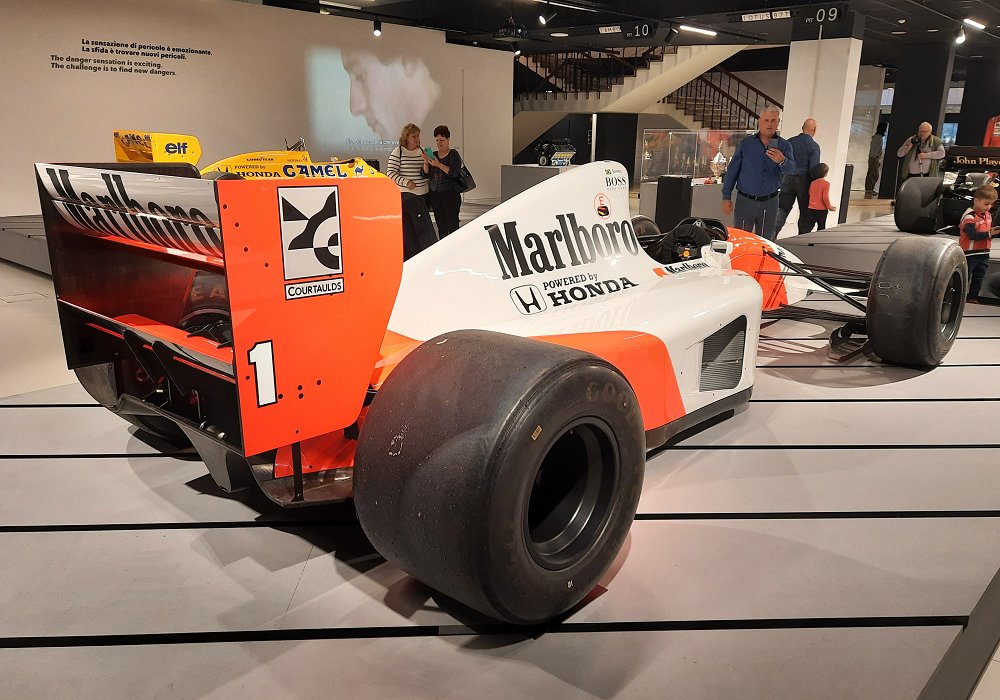
The chassis was a carbon-fibre monocoque designed under Neil Oatley, evolving the strong structural concepts of the MP4/6 while incorporating a new generation of electronic technologies. The car featured a refined aerodynamic profile with lower, tighter bodywork and sleeker airflow around the sidepods. The nose was sharper, the underbody more efficient and the rear wing system more adjustable. Although aerodynamically efficient, the car lacked some of the downforce sophistication of the Williams FW14B, which benefitted from active suspension to keep its platform perfectly balanced.
One of the MP4/7’s major innovations was its introduction of McLaren’s first electro-hydraulic semi-automatic gearbox. Unlike the manual lever used in the MP4/6, drivers now shifted via steering-wheel-mounted paddles. This system improved shift speed and allowed drivers to maintain better control under cornering loads. The gearbox, however, took time to reach full reliability and required extensive calibration during early races.
Electronics became a defining feature of the MP4/7. The car used advanced engine management software, electronic clutch control and improved data-logging, marking McLaren’s move into the early era of computer-assisted performance optimisation. However, it did not feature active suspension or traction control, which left it at a noticeable disadvantage compared with Williams. The MP4/7 relied entirely on mechanical suspension tuning, using double wishbones and pushrod-operated dampers—refined but not electronically managed.
Inside, the MP4/7 remained compact and driver-focused, but the addition of paddle-shift controls and more complex steering-wheel interfaces reflected the growing sophistication of the sport. The seating position remained low and reclined, benefiting both aerodynamics and weight distribution.
On track, the MP4/7 was quick in the hands of Ayrton Senna and Gerhard Berger, particularly on circuits requiring strong engine power and mechanical grip. Senna secured several podiums and victories—most famously in Monaco and Hungary—and demonstrated the car’s potential when circumstances aligned. The Honda V12’s power gave the McLaren strong acceleration and high-speed performance, and the chassis offered predictable, balanced handling. However, the team struggled to match the all-conditions consistency of the Williams FW14B, which used active suspension to keep its aerodynamic platform at peak efficiency regardless of fuel load, cornering forces or bumps.
Throughout the season, McLaren and Honda worked on refining the car’s electronics, improving the gearbox and reducing overall weight. Despite these efforts, the MP4/7 could not overcome the Williams advantage, and McLaren finished second in the Constructors’ Championship. Senna placed fourth overall, still delivering several brilliant drives that showcased both his skill and the car’s underlying strength.
The MP4/7 marked the end of an era. It was the final McLaren powered by a Honda engine until their reunion more than two decades later. It also represented the closing chapter of the non-active suspension McLarens of the early 1990s before the full shift toward electronically managed chassis systems. Although not as dominant as its predecessors, it was an important technological milestone, bridging traditional F1 engineering with the emerging computer-enhanced philosophies that defined the 1990s.
Today, the McLaren MP4/7 Honda is remembered as a beautifully engineered, powerful and visually striking machine—an elegant but transitional car that carried McLaren through one of the most rapidly evolving technical periods in Formula One history.