Description
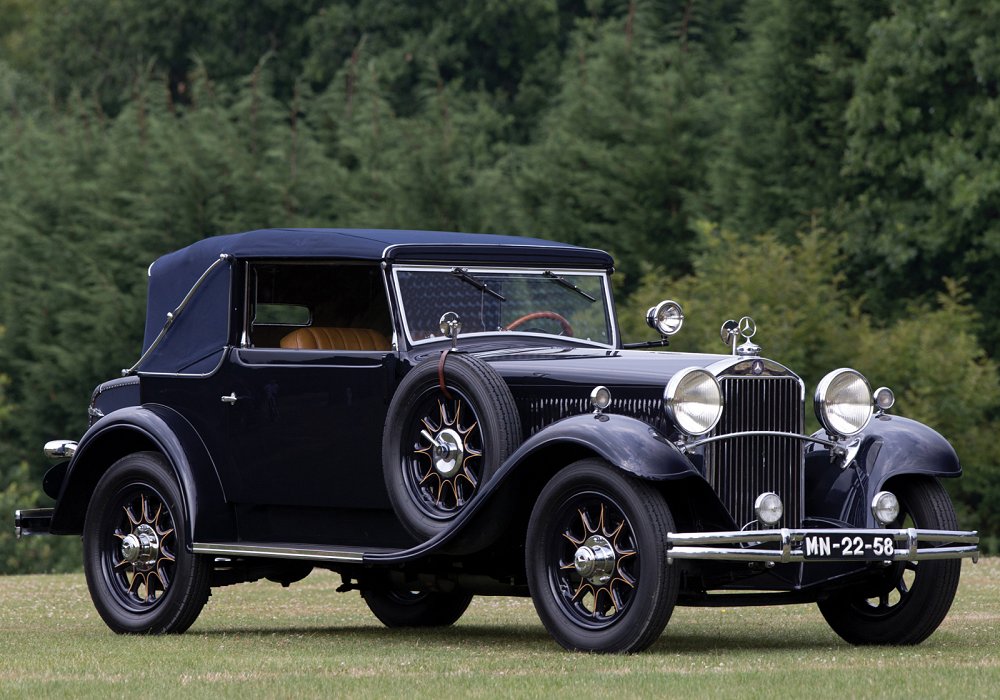
The Mercedes-Benz 15/75 PS Mannheim 370 K was part of Mercedes’ early-1930s upper-middle-class model range, combining robust engineering with a level of refinement and performance suited to professional drivers, private families and business owners who wanted a prestigious car without moving into the expensive supercharged flagship models. Built on the Mannheim series chassis, the 370 K offered a shorter, more agile wheelbase (Kurz, indicated by the K) and a flexible six-cylinder engine, giving it a balanced character between comfort, usability and respectable performance for its era.
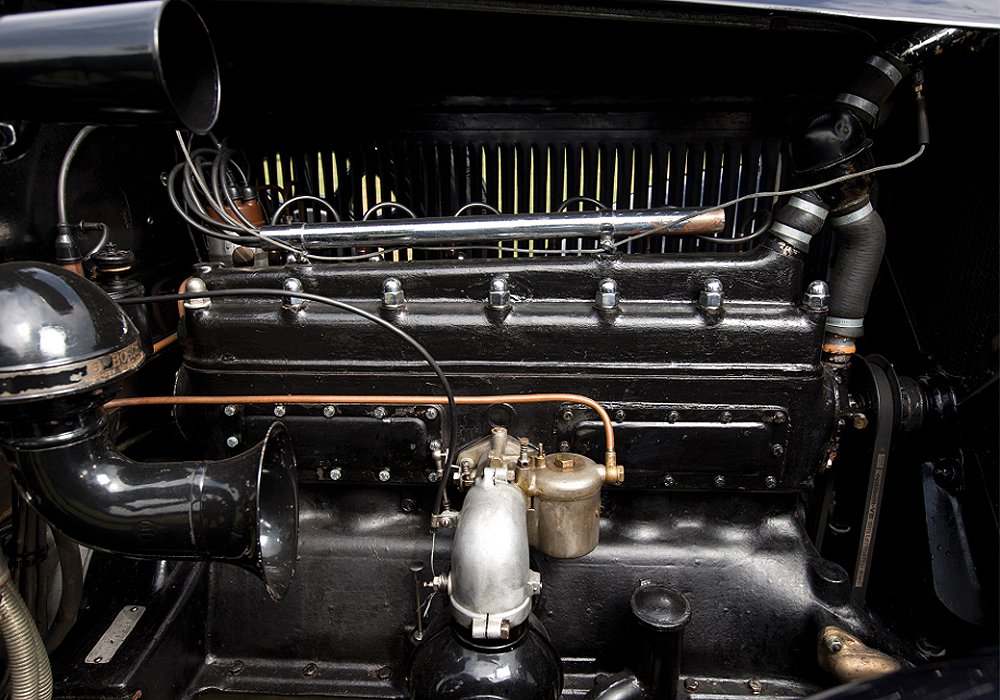
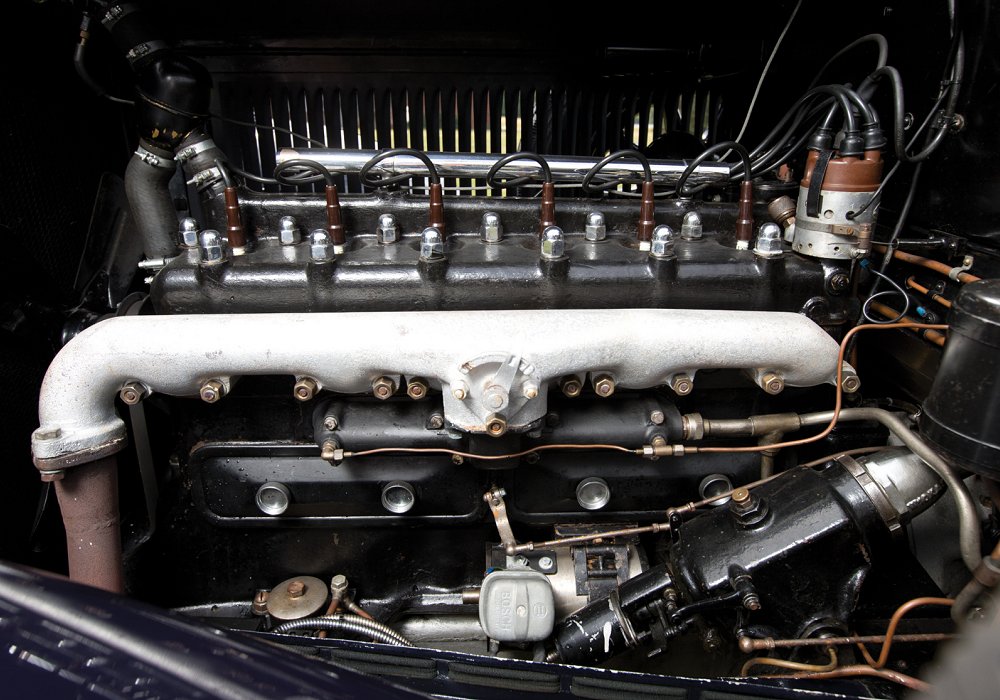
The 15/75 PS designation reflected the German tax and power measurement system. The first number, 15, represented tax horsepower based on cylinder dimensions; the second number, 75, reflected the actual metric horsepower output. The engine was a 3.7-litre inline-six, smooth and torquey, providing ample power for both urban driving and long-distance touring. Its performance was not aimed at sporting use but at reliable, steady progress. The engine ran quietly and delivered flexible low-speed torque, making the car easy to drive even with passengers or luggage. A top speed of around 105 km/h was typical for the 370 K, well suited to the road conditions of early-1930s Europe.
Power was delivered through a well-engineered four-speed manual gearbox, known for its mechanical durability and clean shifting characteristics. The gearing gave the car a relaxed cruising manner, and the drivetrain was robust enough to serve in both private and commercial roles. Mercedes placed strong emphasis on mechanical refinement during this period, and the Mannheim cars were appreciated for their reliability and long service life.
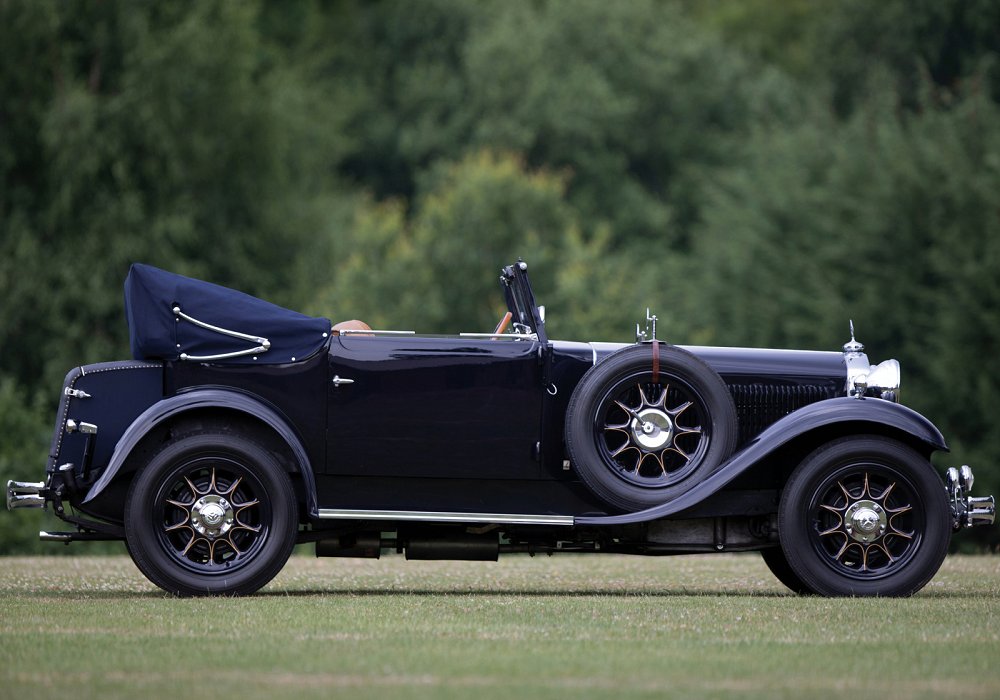
The chassis used a shortened wheelbase compared with the larger Mannheim saloons, improving manoeuvrability and giving the 370 K a more balanced stance. The ladder-frame structure was designed for strength and longevity, and the suspension used semi-elliptic leaf springs front and rear. The ride quality was supple enough for comfortable long-distance travel yet firm enough to provide steady handling on uneven roads. The mechanical drum brakes on all four wheels offered reliable stopping power, and the steering, while requiring effort at low speeds, was direct and predictable once underway.
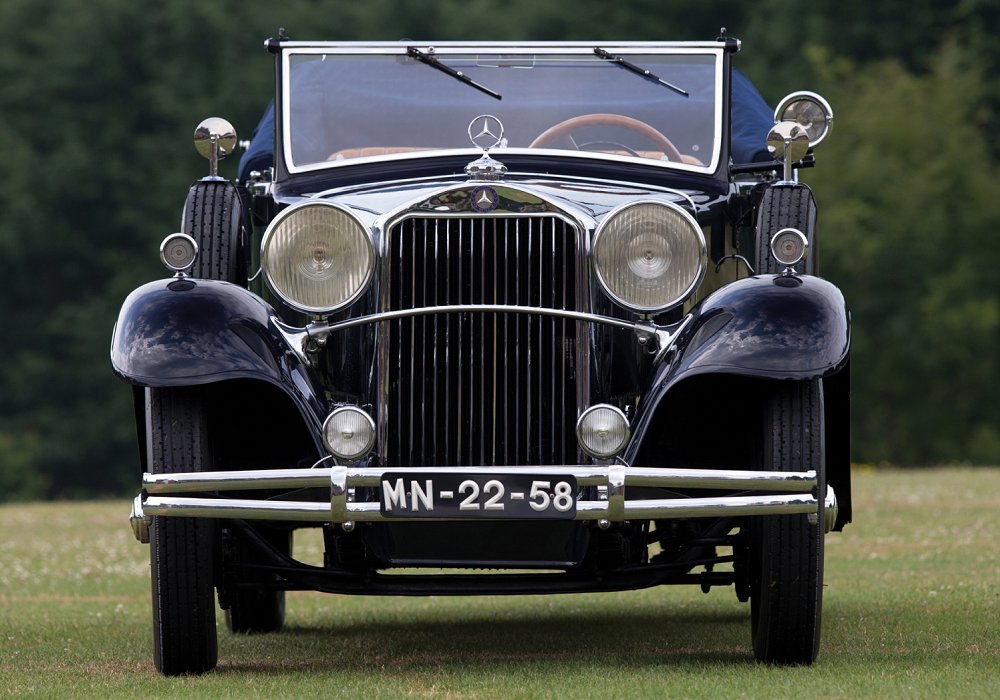
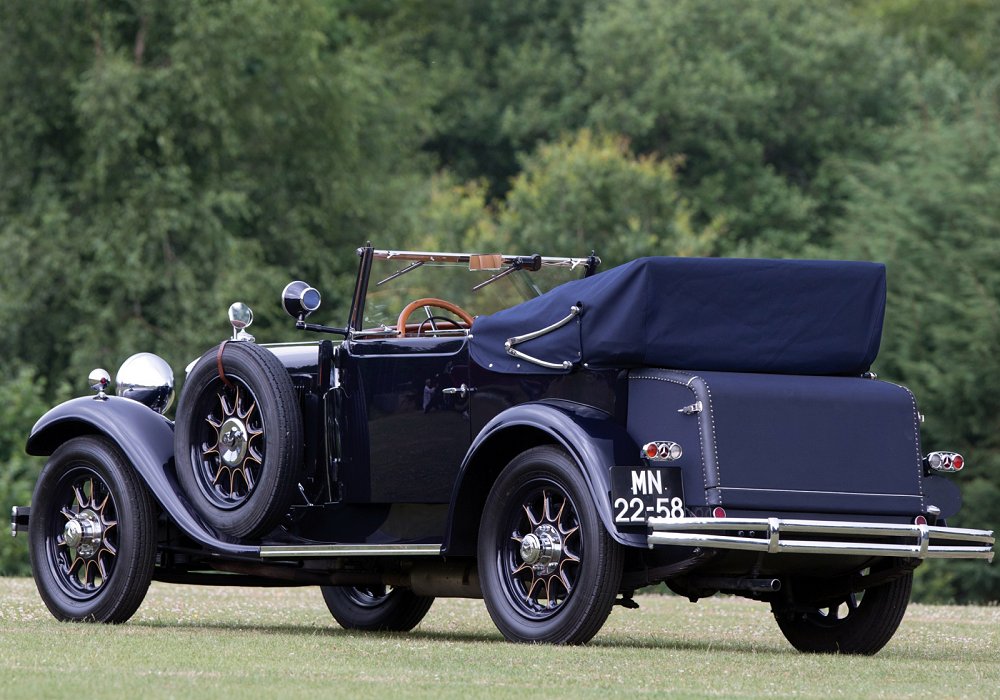
Bodywork on the Mannheim 370 K ranged from factory-built saloons to cabriolets, tourers and special-order versions produced by outside coachbuilders. The styling of the period reflected an emerging transition from the upright 1920s aesthetic to the more streamlined forms of the later 1930s. The tall radiator, long bonnet and upright windscreen gave the car a dignified presence, while subtle curvature in the wings and body panels hinted at the aerodynamic ideas that would become more pronounced later in the decade. The proportions of the shortened chassis gave the 370 K a slightly sportier stance than the longer Mannheim models.
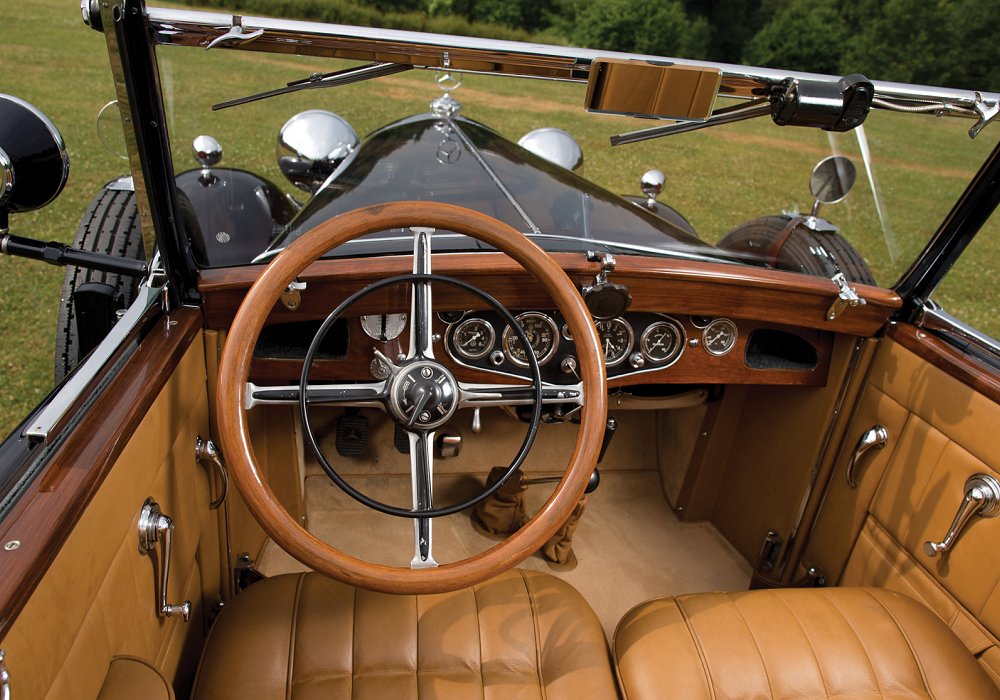
Inside, the 15/75 PS Mannheim 370 K provided a comfortable and well-appointed environment. High-quality fabrics or optional leather upholstery, polished wood trim and neatly arranged instrumentation gave the cabin an atmosphere of understated Mercedes craftsmanship. The dashboard carried clear gauges for speed, oil pressure, temperature and fuel. Seats were broad and supportive, reflecting the car’s role as a practical touring machine and family vehicle. Mercedes’ attention to noise reduction and build quality made the Mannheim cars notably refined compared with many contemporaries in their class.
On the road, the 370 K offered a composed and reliable driving experience. The engine’s smooth power delivery made it easy to maintain steady momentum, and the chassis provided a secure and predictable feel on winding roads or poor surfaces. The shorter wheelbase improved agility in town driving and provided slightly sharper handling than the larger Mannheim variants. It was not designed for high performance, but rather for dependable everyday use with a touch of prestige.
Historically, the 15/75 PS Mannheim 370 K played an important role in Mercedes’ early-1930s lineup. It gave the company a strong competitor in the upper-mid-market segment at a time when financial conditions required a more versatile and accessible range. While the supercharged sports models captured headlines, cars like the 370 K kept Mercedes visible to a broader clientele and helped maintain commercial stability.
Today, the Mannheim 370 K is appreciated by collectors for its quiet elegance, robust engineering and representation of a transitional phase in Mercedes-Benz history. It offers an authentic driving experience from a period when the company balanced innovation with practicality, producing dependable six-cylinder tourers that still carried the unmistakable character of the Mercedes marque.