Description
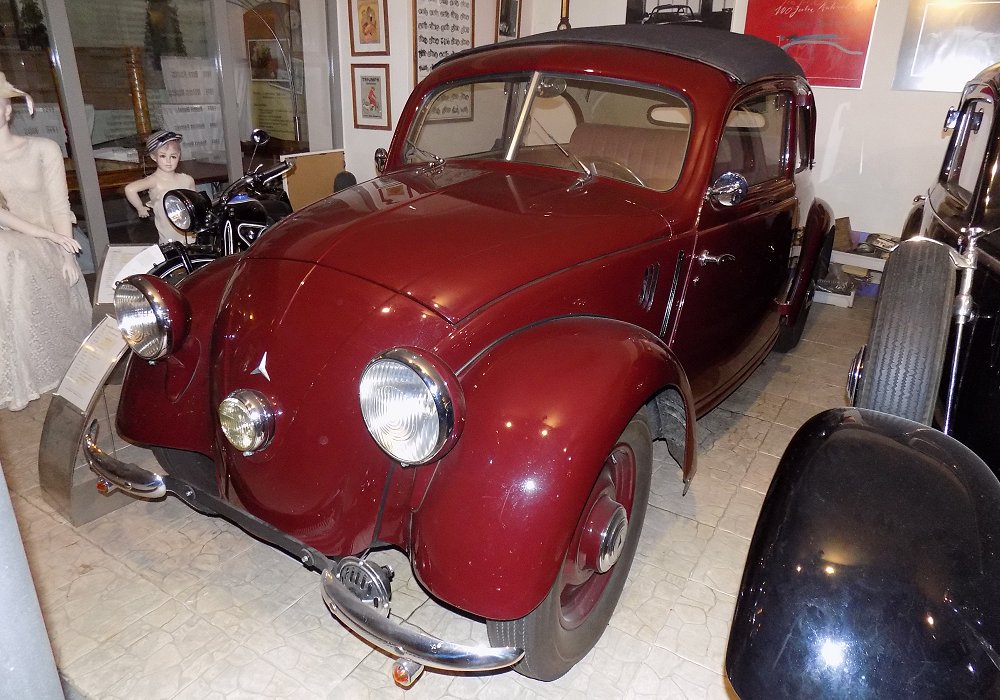
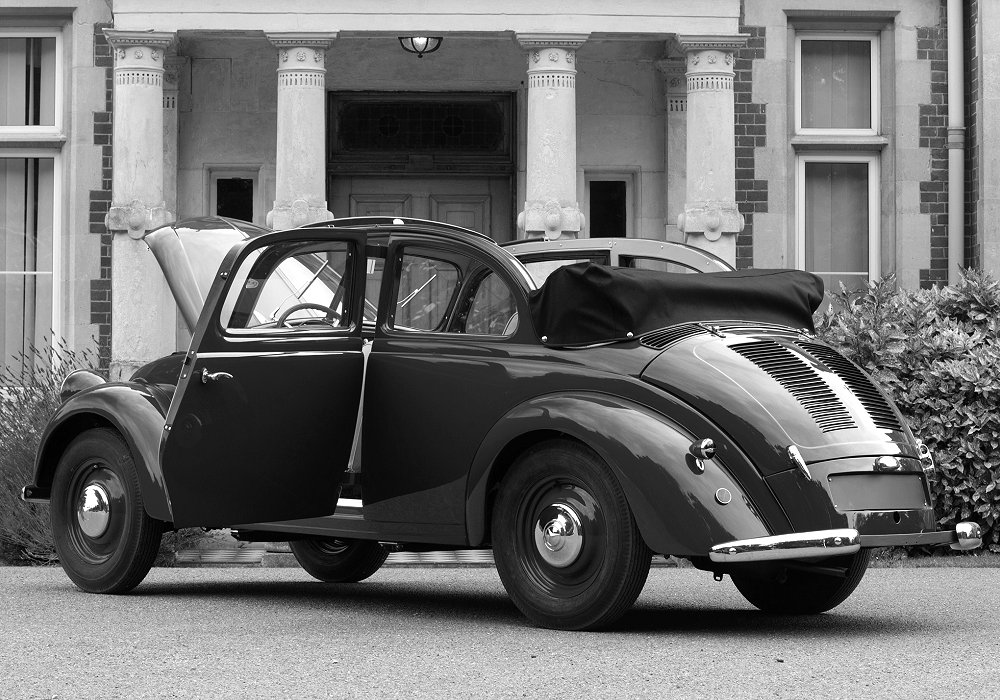
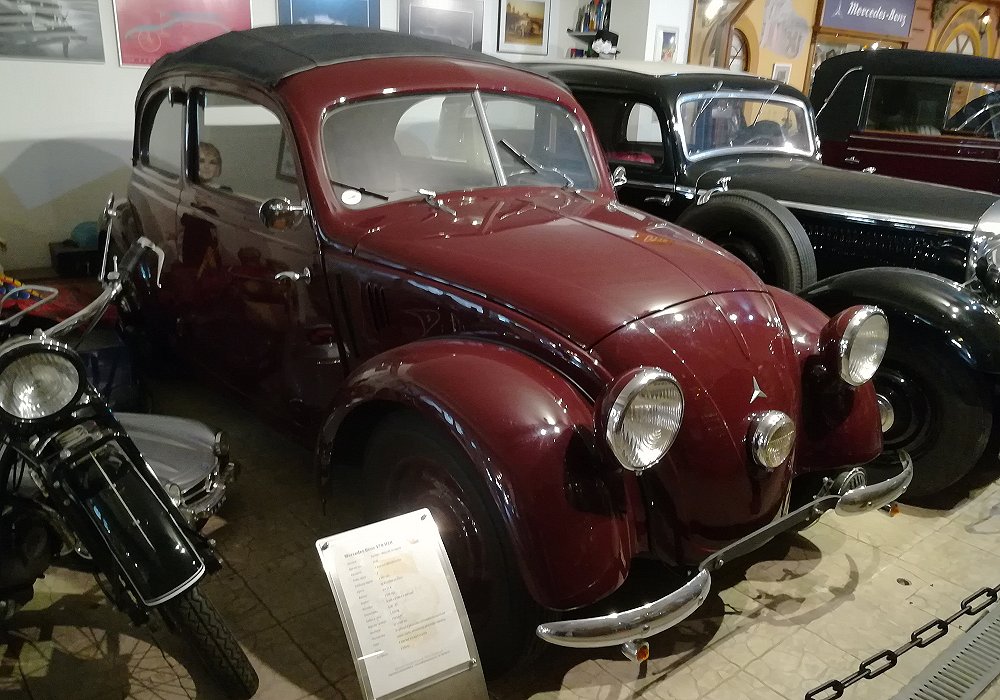
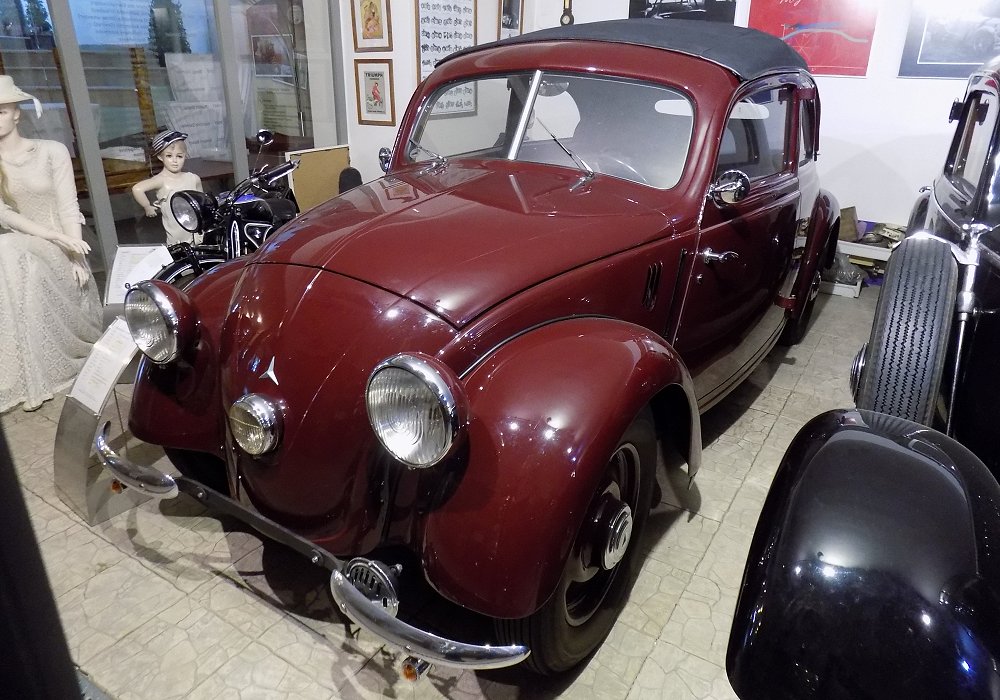
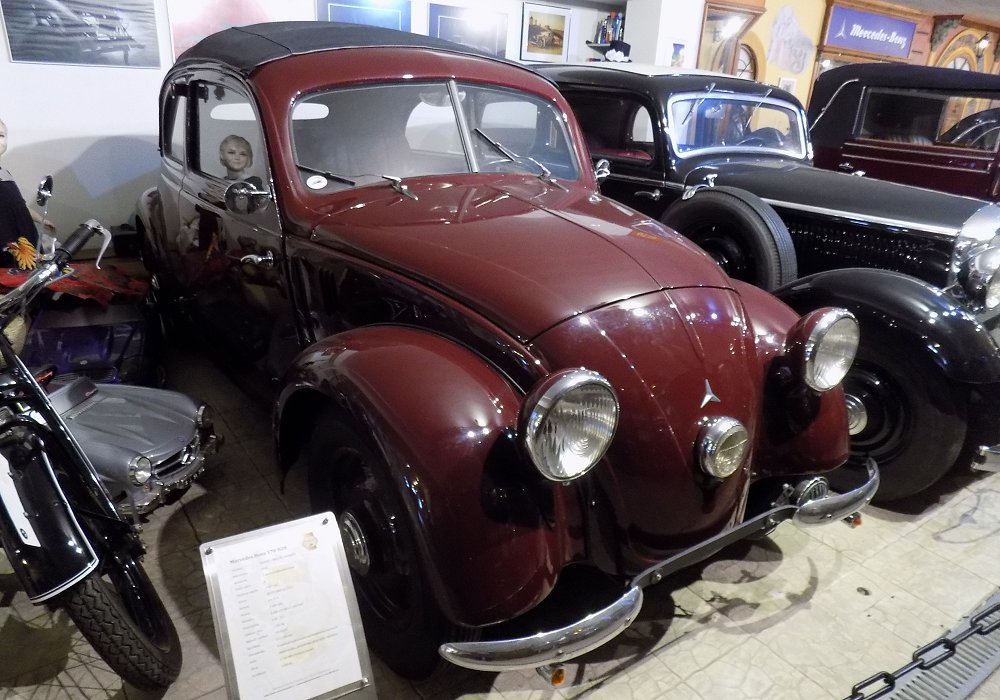
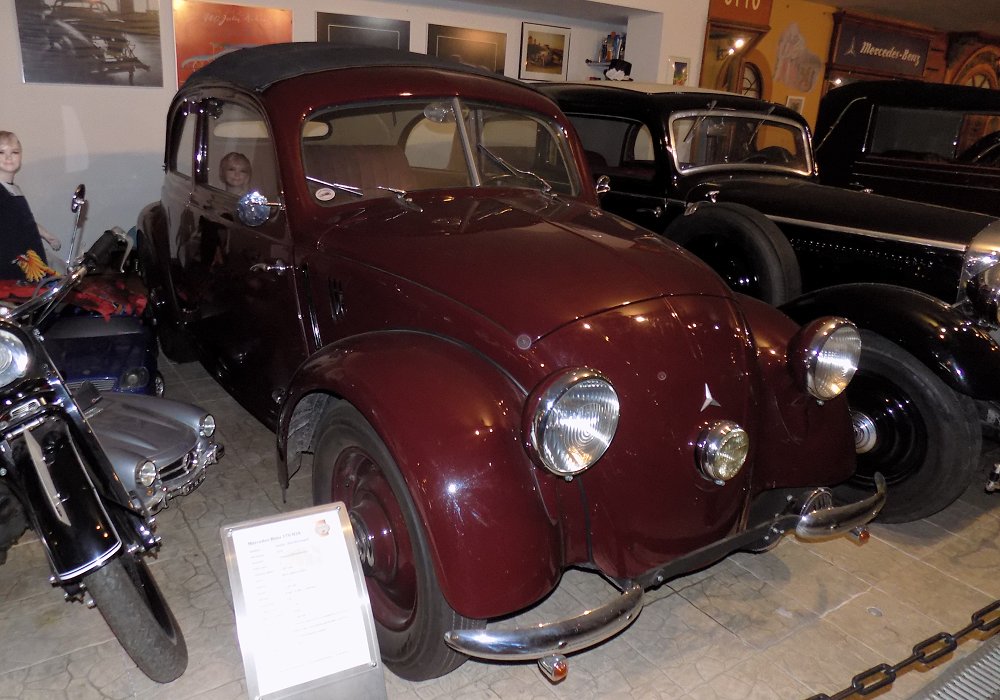
The Mercedes-Benz 170 H Cabrio-Limousine was the rarest and most charming open-roof variant of Mercedes-Benz’s rear-engined small-car series. Introduced in 1936 alongside the standard 170 H saloon, this body style combined the aerodynamic, forward-looking engineering of the rear-engine layout with the airy, elegant appeal of a part-open touring car. Built in very small numbers, it offered a unique blend of practicality, modernity and leisure that was unlike any other Mercedes model of the 1930s.
Like the standard 170 H, the Cabrio-Limousine was powered by a rear-mounted 1.7-litre inline-four engine producing about 38–40 horsepower. This was the same output as the front-engined 170 V, but the rear-engine layout gave the car a very different feel. The engine’s position over the driven wheels provided strong traction, especially on rough or loose surfaces. Its placement behind the cabin also made the car unusually quiet for a small model of its time, with much of the mechanical noise occurring at the rear. The four-speed manual gearbox, mounted as part of the rear transaxle, provided smooth shifting and good use of the engine’s low-end torque. The car’s streamlined body and lighter weight allowed it to reach around 110 km/h, making it entirely suitable for touring.
The chassis followed the specialised engineering used across the rear-engined Mercedes line. A central tubular frame supported the structure, giving strength with minimal weight. Independent suspension was fitted at all four corners. At the front, Mercedes used double wishbones with a transverse leaf spring, while the rear employed swing axles with coil springs. This combination produced a very smooth ride and excellent comfort for a compact car. Handling was stable and predictable at normal speeds, though—as with all early swing-axle designs—drivers needed to adopt smooth and considered inputs when driving quickly. For its intended role as a light family and touring car, the Cabrio-Limousine offered refinement that many contemporaries could not match.
The Cabrio-Limousine body style was the key distinguishing feature. It retained the sleek, rounded fastback profile of the 170 H saloon, but included a large foldable fabric roof that extended from the windscreen to just ahead of the rear window. This allowed the car to switch between a fully enclosed saloon and a semi-open touring car within moments. With the roof folded back, the car felt airy and relaxed while retaining the structural rigidity and weather protection of a standard steel body. The combination of streamlined curves, compact proportions and the open-roof option gave the model a distinctive appearance that stood out on European roads.
Inside, the 170 H Cabrio-Limousine offered a practical and comfortable cabin. The forward placement of the interior—made possible by the rear-engine layout—created generous legroom and excellent visibility. Seating for four was arranged in an upright, efficient layout, with durable cloth upholstery or optional leather depending on specification. The dashboard was clean and functional, fitted with clear instruments for speed, oil pressure, temperature and fuel. Materials were chosen to balance economy with the traditional Mercedes sense of craftsmanship, giving the car a refined atmosphere despite its compact dimensions.
On the road, the Cabrio-Limousine offered a notably modern driving experience. The independent suspension soaked up road irregularities with ease, and the car’s light weight made it responsive in urban traffic. The engine delivered smooth power, and the gearbox allowed confident hill climbing and country-road touring. With the roof open, the car’s character became even more appealing—light, breezy and ideal for relaxed scenic drives. Though the rear-engine balance required attentive driving if pushed hard, most owners appreciated its stability and comfort in ordinary use.
Commercially, the Cabrio-Limousine remained a niche product. The general public preferred the more conventional front-engined 170 V, which was cheaper to build, easier to understand and better suited for taxi, business and utility roles. The innovative rear-engine range—150, 170 H and their variants—was admired by engineers but adopted by relatively few buyers. As a result, the 170 H Cabrio-Limousine was produced in very small numbers and is now exceedingly rare.
Today, the Mercedes-Benz 170 H Cabrio-Limousine is one of the most collectible and historically important variants of the entire 170 family. Its streamlined styling, rear-engine engineering and open-roof versatility make it a standout example of Mercedes’ adventurous pre-war design philosophy. Surviving examples offer a fascinating glimpse into a path Mercedes did not continue after the war—but one that demonstrated remarkable creativity and engineering vision during the 1930s.