
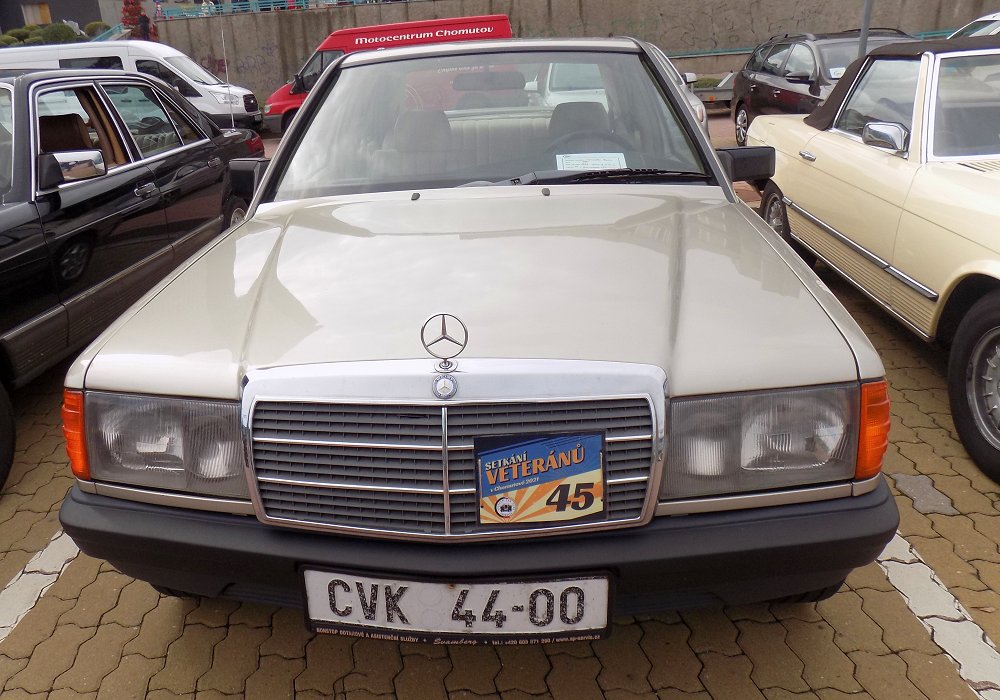
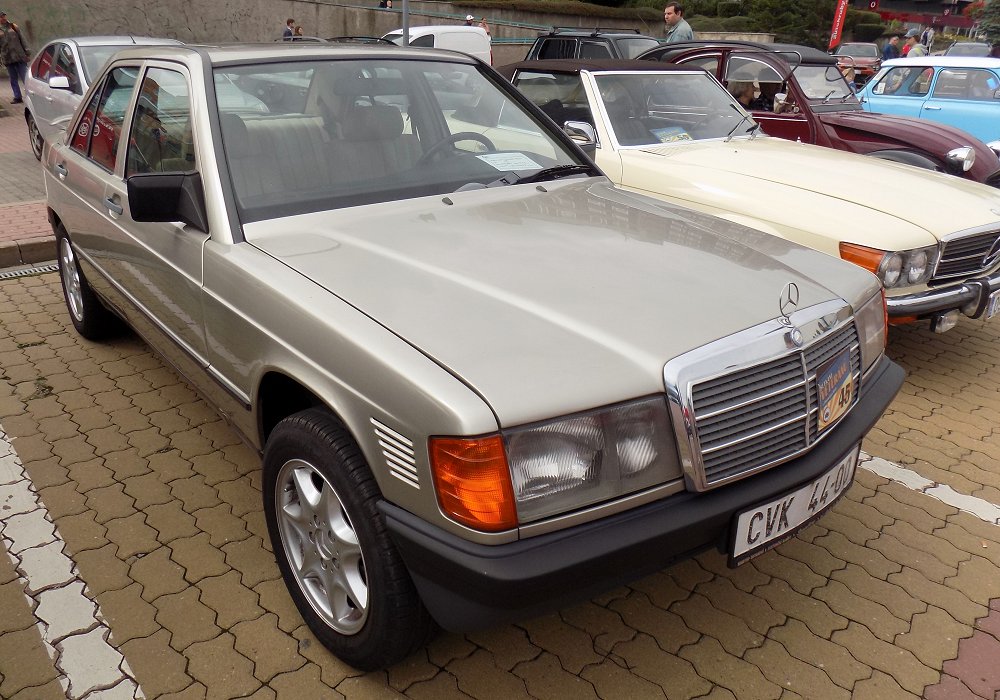
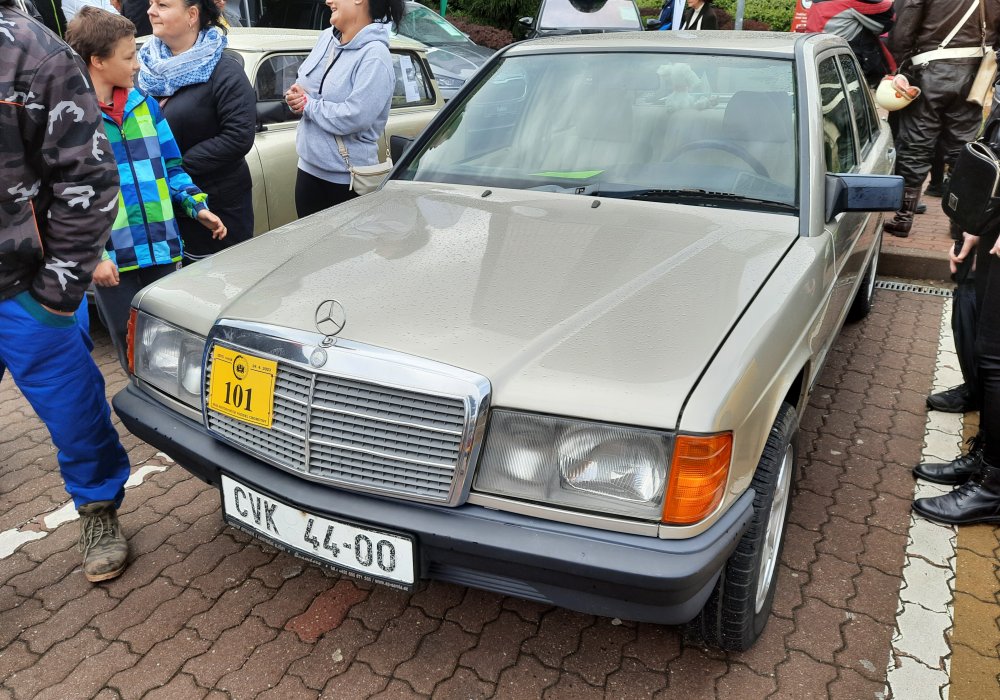
Description
The Mercedes-Benz 190 D was the diesel-powered counterpart to the petrol 190 and played a crucial role in establishing the W201 as one of the most durable and long-lived compact executive cars ever produced. Introduced in the early 1980s as part of the new-generation 190 range, the 190 D combined compact dimensions, advanced chassis engineering and Mercedes-Benz diesel expertise to create a car that prioritised economy, longevity and everyday usability over outright performance. It quickly became a favourite among professionals and high-mileage users.
Power came from a 2.0-litre inline four-cylinder diesel engine in early versions, later joined by the larger 2.2-litre unit. Power output was modest, typically around 72 horsepower for the 2.0 and slightly higher for the 2.2, but the engines were engineered for reliability rather than speed. Strong low-end torque, simple mechanical fuel injection and conservative tuning allowed these engines to cover exceptionally high mileages with minimal internal wear. A four- or five-speed manual gearbox was standard, with automatic transmission available in some markets.
One of the most important aspects of the 190 D was its chassis. Like all W201 models, it featured the advanced five-link independent rear suspension that set new standards for ride quality and stability in the compact executive class. This suspension design gave the 190 D predictable handling and excellent composure, even when fully loaded or driven on poor road surfaces. MacPherson struts at the front complemented the rear setup, while braking performance was strong and consistent, reflecting Mercedes-Benz’s emphasis on safety.
Structurally, the 190 D benefited from a rigid body shell engineered with extensive use of high-strength steel and carefully designed crumple zones. Despite being one of the smallest Mercedes-Benz saloons of its time, the car felt solid and substantial. Doors closed with a reassuring weight, and the overall construction reinforced the brand’s reputation for engineering integrity.
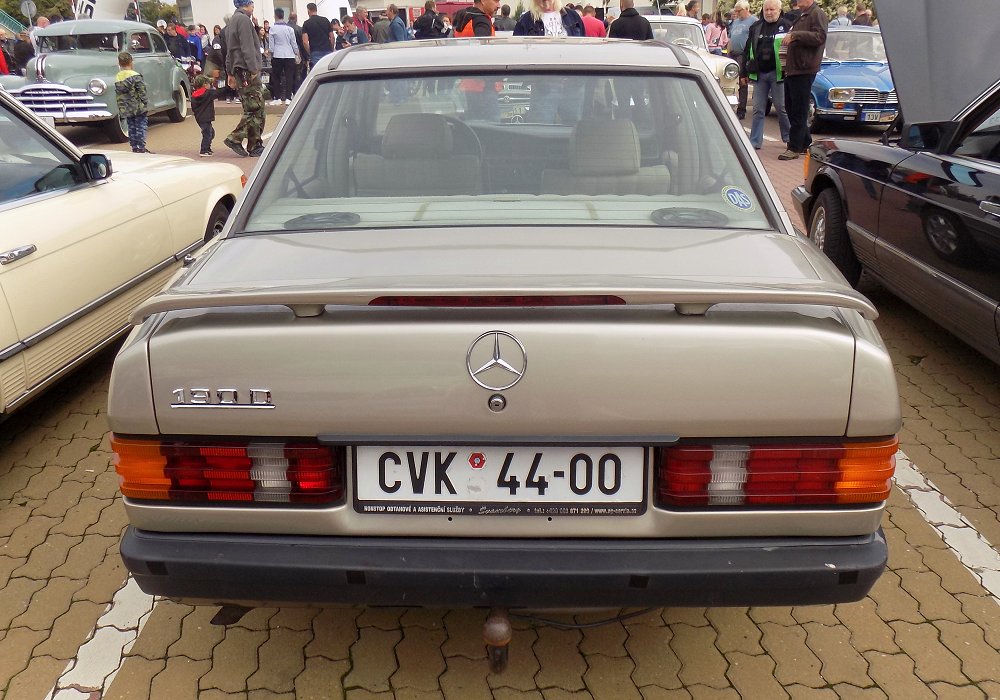
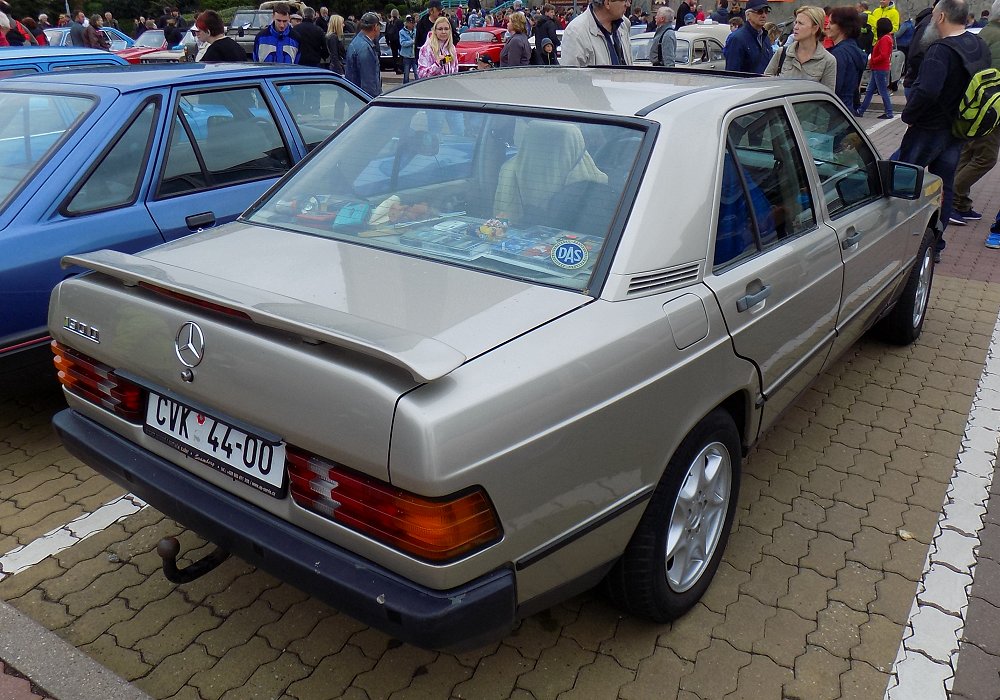
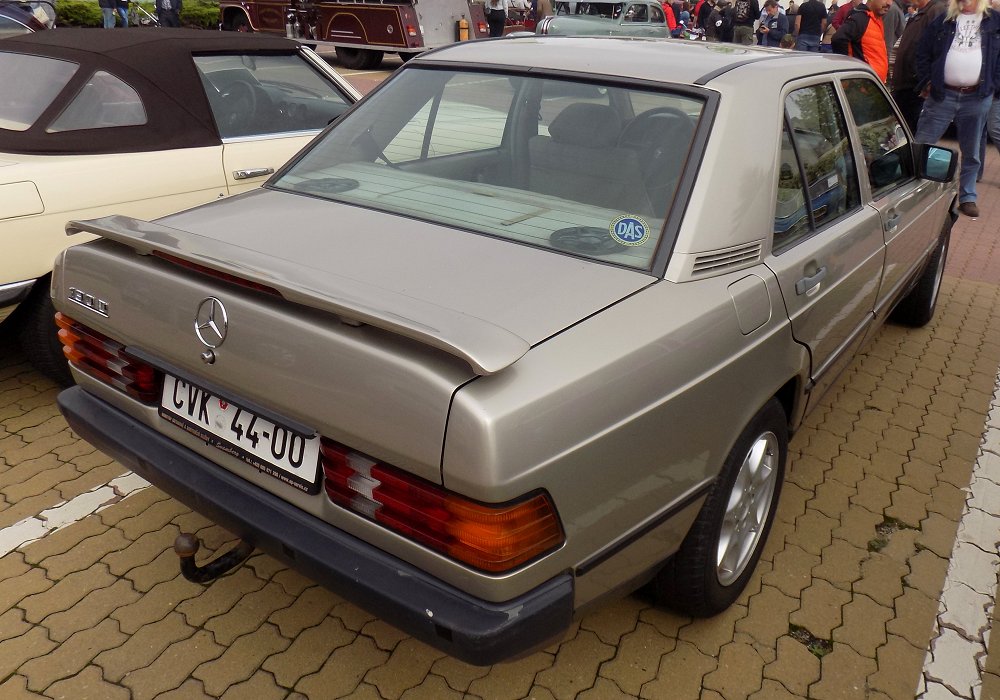
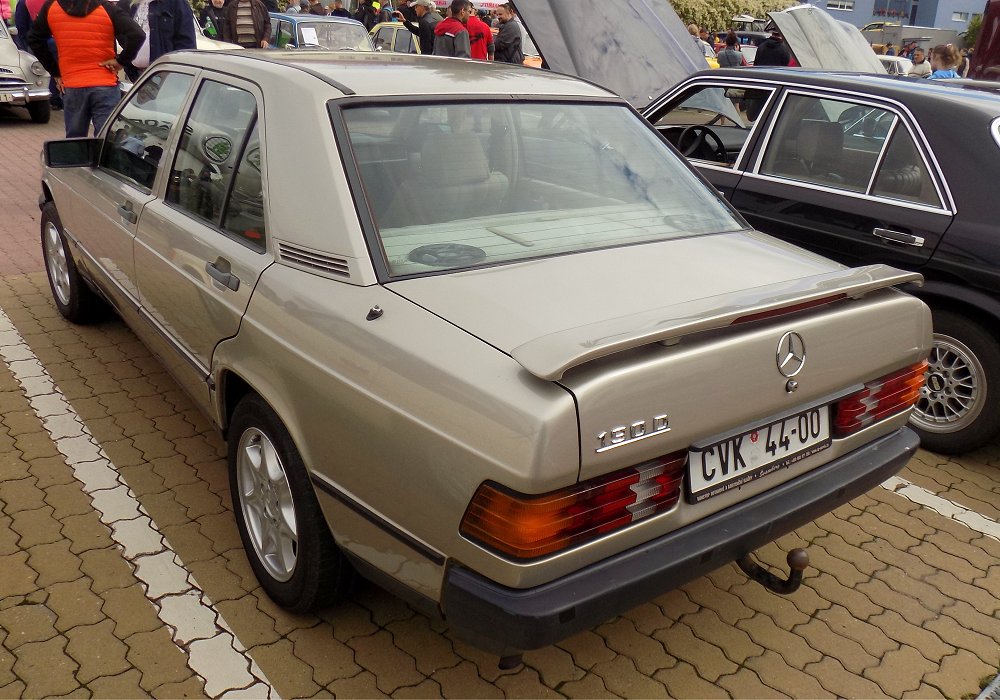
Styling of the Mercedes-Benz 190 D followed the clean, angular design language of the W201 range. The upright grille, strong shoulder line and restrained proportions gave the car a serious, professional appearance. Diesel models were visually understated, with minimal external differentiation from petrol versions, which suited their role as discreet working vehicles rather than status symbols.
Inside, the 190 D featured a functional and highly durable interior. Materials were chosen for longevity rather than luxury, and many examples have survived decades of use with interiors still largely intact. Seating was firm and supportive, ideal for long-distance driving, while the dashboard layout was logical and easy to read. Noise levels were higher than in petrol models, particularly at idle and under acceleration, but this was generally accepted as a fair trade-off for outstanding fuel economy and reliability.
In everyday driving, the Mercedes-Benz 190 D excelled at steady, unhurried progress. Acceleration was slow by modern standards, but the car was capable of maintaining motorway speeds comfortably and efficiently. Its stability, ride quality and predictable handling made it well suited to long journeys, urban commuting and continuous daily use. Fuel consumption was exceptionally low for its size and class, reinforcing its appeal to cost-conscious owners.
The 190 D became especially popular with taxi operators, fleet users and professionals who valued reliability above all else. Stories of examples covering 500,000 kilometres or more with basic maintenance are common, and the model played a major role in cementing Mercedes-Benz’s reputation as the world leader in diesel passenger cars during the 1980s and 1990s.
Today, the Mercedes-Benz 190 D is respected less as a collector’s item and more as an engineering benchmark. Well-preserved examples are appreciated for their honesty, durability and historical significance rather than performance or luxury. As a cornerstone of the W201 range, the 190 D stands as a clear example of Mercedes-Benz’s philosophy during this era: build cars to last, engineer them properly, and allow reputation to be earned through decades of use rather than short-term appeal.