
Description
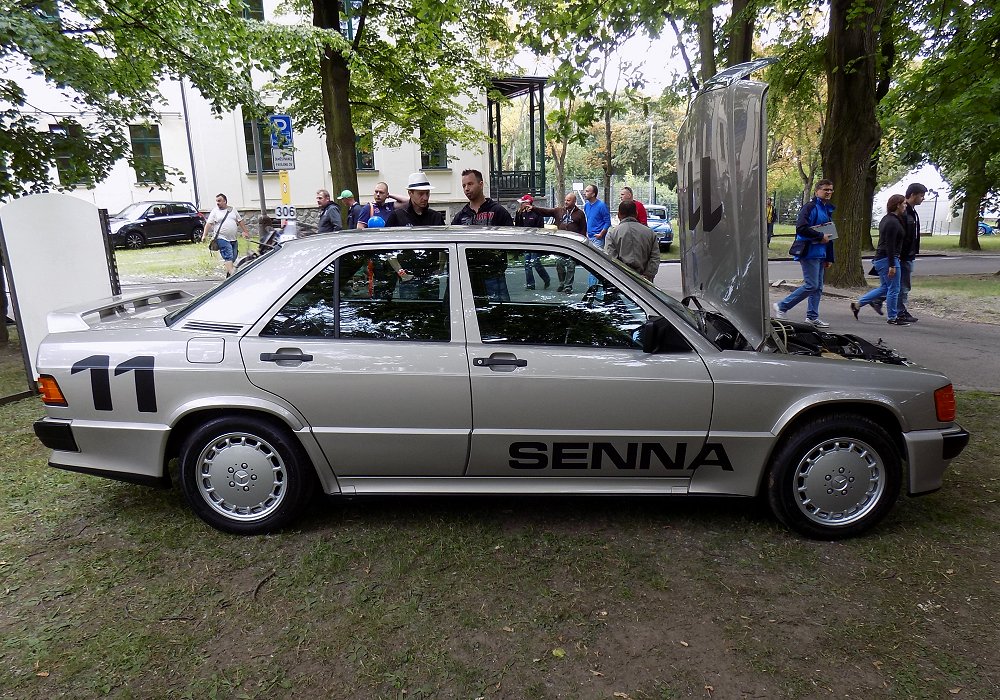
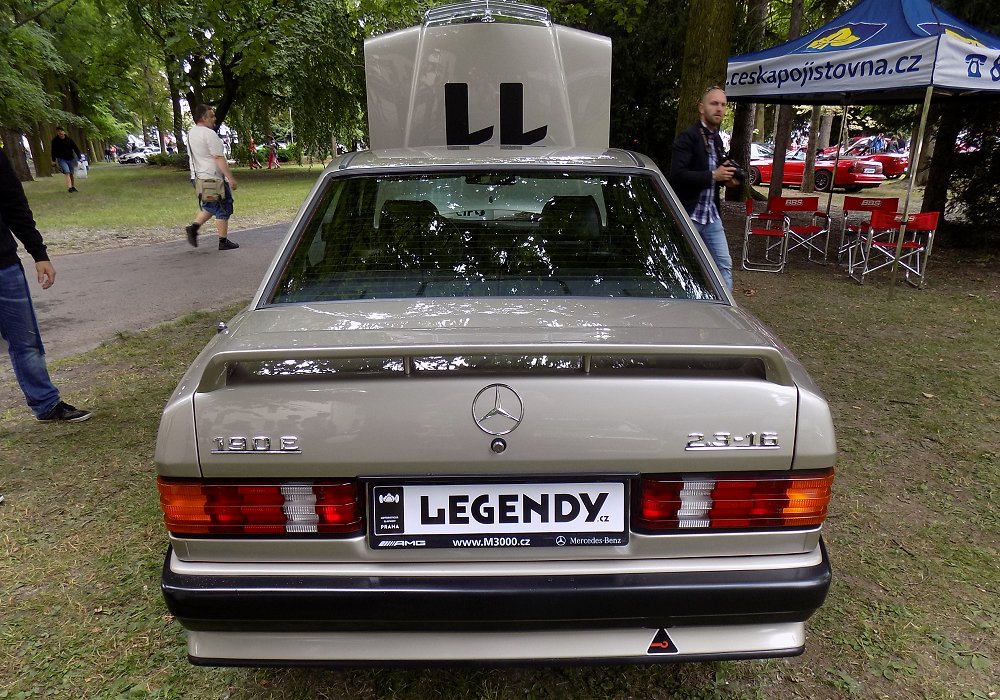
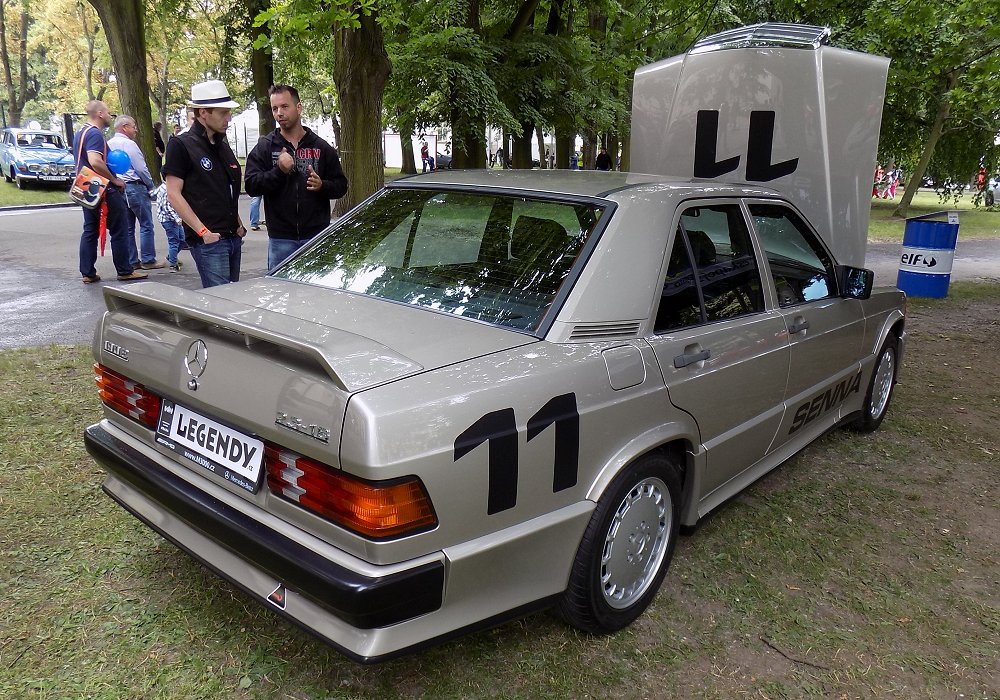
The Mercedes-Benz 190 E 2.3-16 was the performance flagship of the W201 range and one of the most important compact sports saloons of the 1980s. Introduced in 1983, it represented Mercedes-Benz’s first serious return to high-performance saloons since the 1970s and marked the beginning of a new era in which motorsport engineering and everyday usability were combined in a compact executive package. Developed with the involvement of Cosworth, the 190 E 2.3-16 demonstrated that the “Baby Benz” platform had far greater dynamic potential than originally expected.
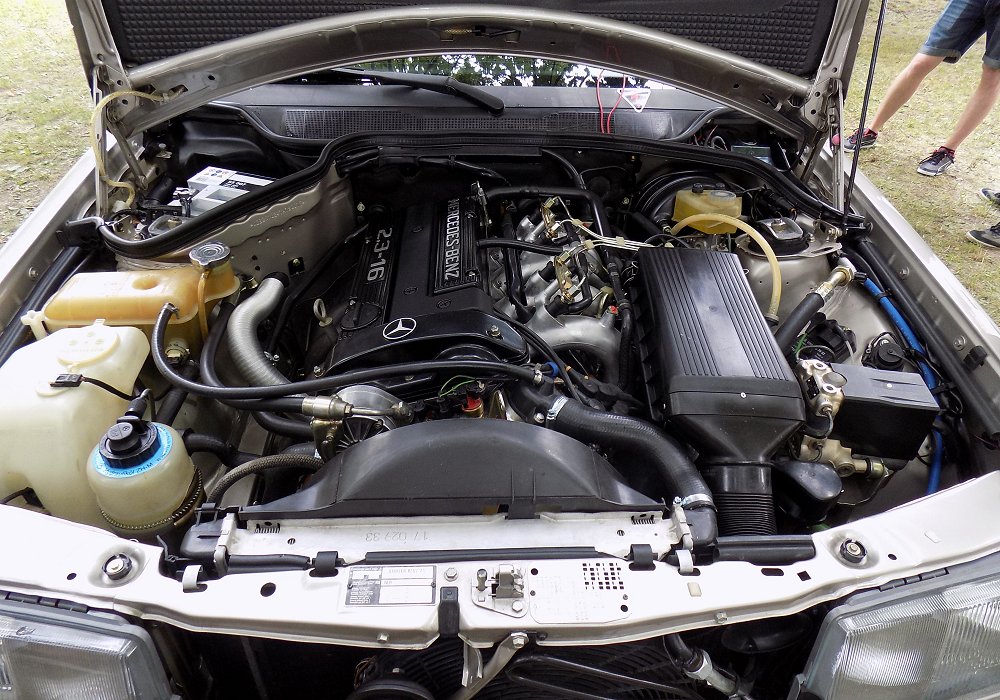
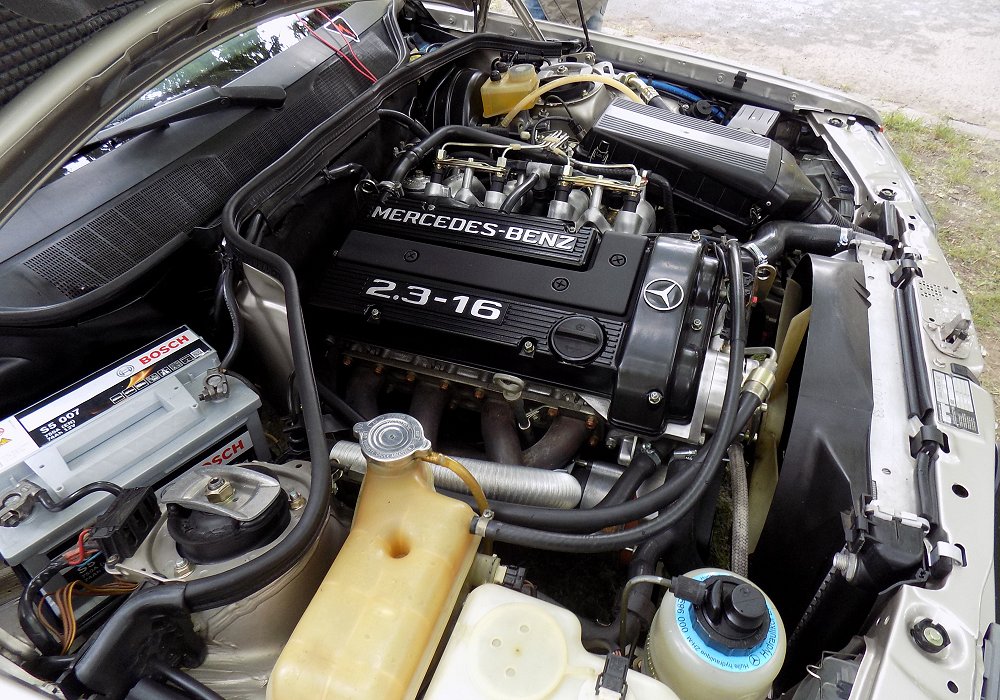
At the heart of the 190 E 2.3-16 was a specially developed 2.3-litre inline four-cylinder engine. While the basic block was derived from the standard M102 engine, the cylinder head was entirely redesigned by Cosworth and featured a 16-valve, double overhead camshaft layout. This advanced head dramatically improved airflow and high-revving capability. The engine produced approximately 185 horsepower, a substantial figure for a naturally aspirated four-cylinder saloon in the early 1980s. Power delivery was focused toward the upper end of the rev range, giving the car a distinctly sporting character compared with other Mercedes-Benz models of the period.
A close-ratio five-speed manual gearbox was fitted as standard, with the distinctive dogleg first gear layout placing first gear down and to the left. This arrangement was chosen to optimise rapid shifting between second, third and fourth gears during spirited driving. Power was sent to the rear wheels, and a limited-slip differential was standard equipment, enhancing traction and stability under hard acceleration.
Chassis development was a key part of the 190 E 2.3-16 programme. The car made full use of the W201’s advanced five-link rear suspension, which provided excellent control of wheel movement and outstanding stability for the time. Suspension settings were firmer and lower than on standard 190 models, reducing body roll and sharpening responses without compromising ride quality excessively. Larger brakes were fitted to cope with the increased performance, and wider wheels and tyres improved grip and road holding.
Aerodynamics also played an important role in the car’s design. The 190 E 2.3-16 featured a discreet but functional body kit that included deeper front spoilers, side skirts and a raised rear spoiler. These elements were not merely cosmetic; they were developed to improve high-speed stability and reduce lift. The rear spoiler in particular became one of the model’s defining visual features and helped give the car a purposeful, performance-oriented appearance while remaining understated by comparison with many rivals.
Inside, the 190 E 2.3-16 retained the solid, functional Mercedes-Benz interior layout but added several sporting touches. Heavily bolstered sports seats provided excellent support, a smaller steering wheel improved driver engagement, and additional instrumentation included a rev counter with a higher redline and auxiliary gauges. Despite its performance focus, the cabin remained practical and durable, with build quality that reinforced Mercedes-Benz’s reputation for longevity and everyday usability.
On the road, the 190 E 2.3-16 delivered a driving experience that surprised many critics and competitors. While not brutally fast by modern standards, it offered strong performance, impressive balance and exceptional stability at speed. The car was particularly well suited to fast autobahn driving, where its combination of high-speed composure, aerodynamic stability and engine durability allowed sustained cruising at speeds that few rivals could comfortably match. Handling was precise and predictable, rewarding smooth, committed driving rather than aggressive inputs.
The motorsport credentials of the 190 E 2.3-16 were established early in its life. The model gained international attention when near-standard examples were used in a one-make support race at the Nürburgring in 1984, featuring many of the world’s top drivers. The car later formed the basis for Mercedes-Benz’s return to touring car racing, eventually evolving into the 2.5-16 and highly successful DTM competition variants.
Today, the Mercedes-Benz 190 E 2.3-16 is regarded as a landmark performance saloon. It represents the point at which Mercedes-Benz successfully blended motorsport-derived engineering with everyday practicality in a compact executive format. Well-preserved examples are increasingly sought after, valued for their Cosworth-developed engine, balanced chassis and historical significance. As the car that redefined Mercedes-Benz performance in the modern era, the 190 E 2.3-16 stands as one of the most important and respected models in the marque’s post-war history.