
Description
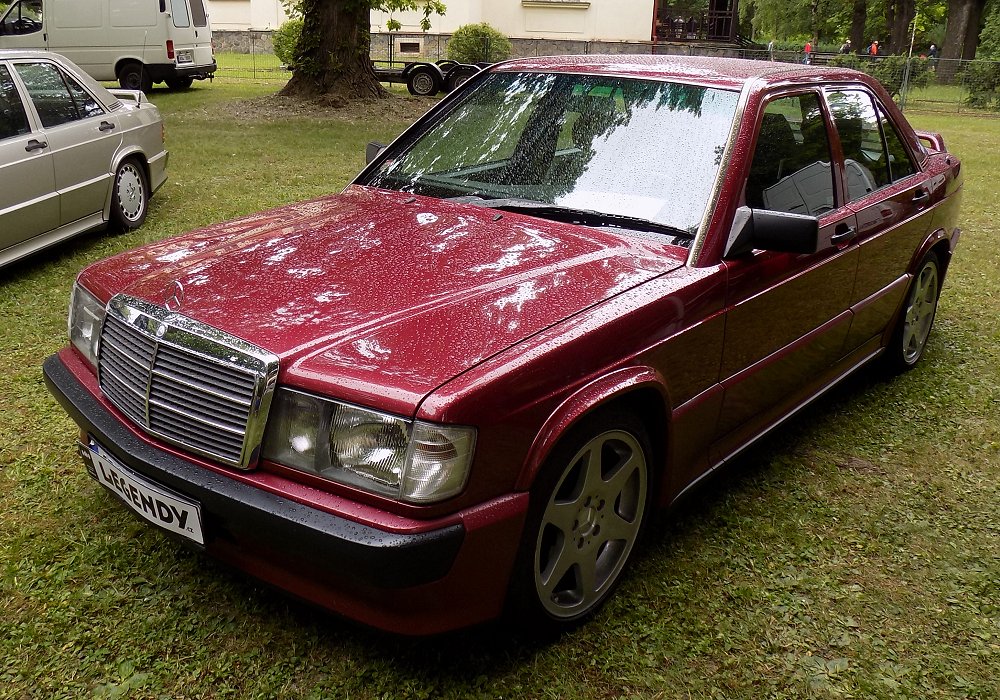
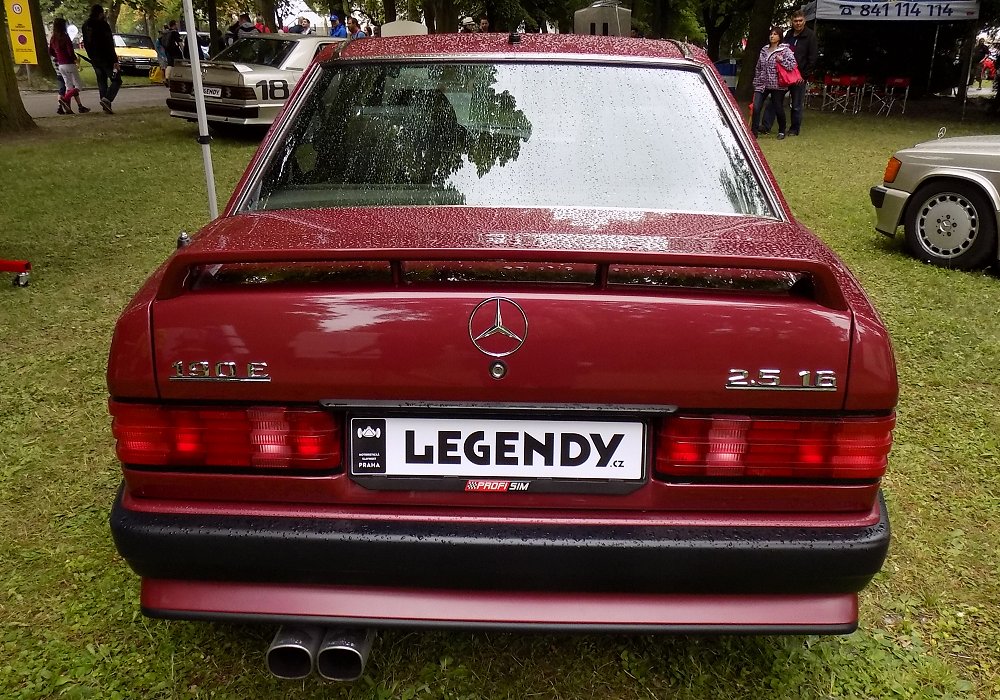
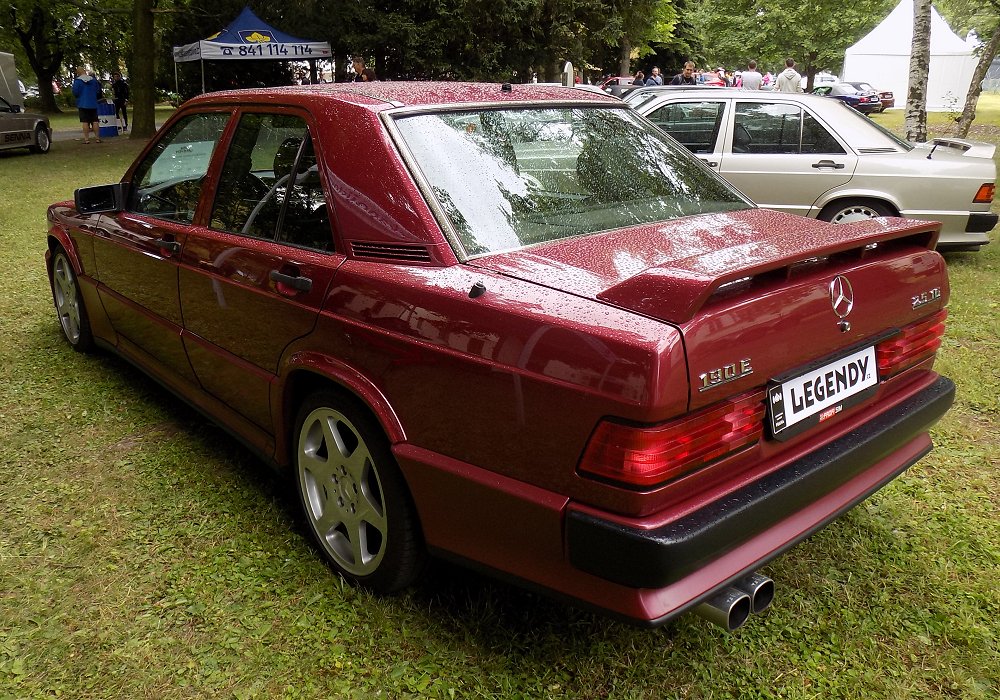
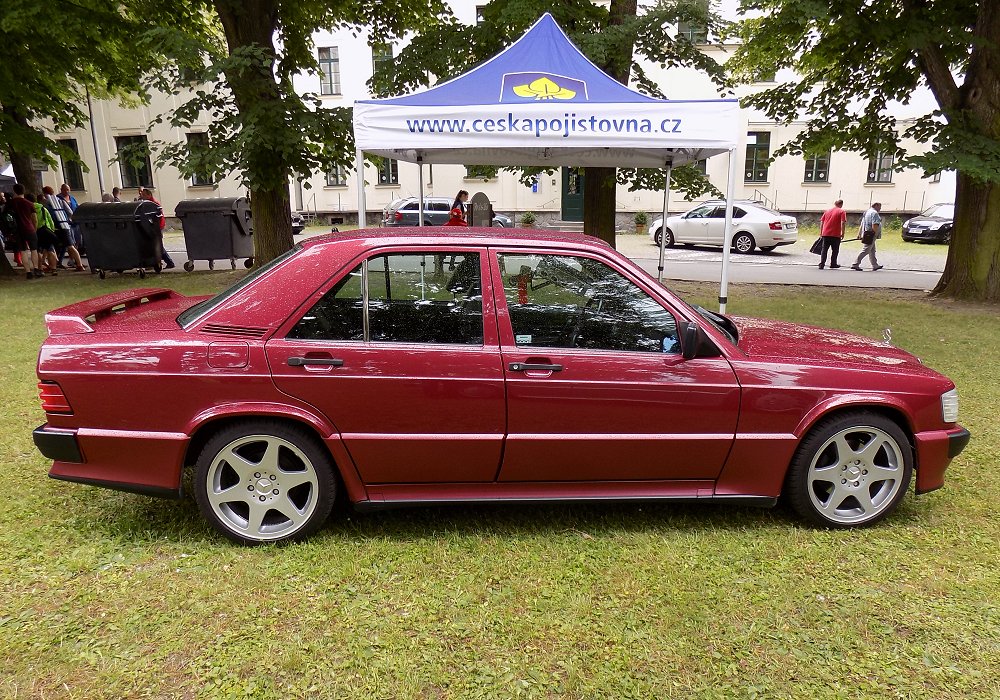
The Mercedes-Benz 190 E 2.5-16V was the ultimate evolution of the Cosworth-developed W201 performance saloons and represented the peak of Mercedes-Benz’s naturally aspirated four-cylinder engineering in the late 1980s. Introduced in 1988, it replaced the 2.3-16 as the range-topping performance model and was designed to restore power lost to emissions regulations while further sharpening the car’s dynamic abilities. It also formed the direct foundation for Mercedes-Benz’s highly successful DTM touring car programme.
Power came from an enlarged 2.5-litre inline four-cylinder engine derived from the earlier 2.3-litre Cosworth unit. The cast-iron block was revised with a longer stroke, while the aluminium 16-valve double overhead camshaft cylinder head remained Cosworth-designed. Output was approximately 195 horsepower in non-catalyst form and around 204 horsepower in Evolution trim, with catalyst-equipped road cars producing slightly less. The engine retained a high-revving, motorsport-inspired character, delivering its strongest performance in the upper rev range while remaining robust enough for sustained high-speed use.
A close-ratio five-speed manual gearbox with the distinctive dogleg first gear layout was standard. This transmission was chosen to optimise rapid shifting between second, third and fourth gears during spirited driving. Power was sent to the rear wheels via a limited-slip differential, ensuring strong traction and stability under acceleration. The drivetrain gave the 190 E 2.5-16V a purposeful, driver-focused feel that clearly distinguished it from standard 190 E models.
Chassis development was central to the 2.5-16V’s appeal. The advanced five-link independent rear suspension introduced with the W201 platform was further refined, providing excellent wheel control and high-speed stability. Suspension settings were firmer and ride height lower than on non-16-valve models, improving turn-in and reducing body roll without sacrificing Mercedes-Benz’s trademark composure. Braking performance was uprated to match the increased power, with larger discs and improved cooling.
Aerodynamics were subtly but effectively enhanced. The car retained the functional body kit introduced on the 2.3-16, including a deeper front spoiler, side skirts and a raised rear wing. These elements were developed to reduce lift and improve stability at high speeds rather than to create visual drama. The result was a restrained but unmistakably purposeful appearance that aligned with Mercedes-Benz’s conservative performance ethos.
Inside, the Mercedes-Benz 190 E 2.5-16V combined motorsport influence with everyday usability. Deeply bolstered sports seats provided excellent support, a smaller steering wheel enhanced driver engagement, and additional instrumentation reinforced the car’s performance intent. Despite these upgrades, the cabin remained practical, durable and well suited to daily use, with the high build quality expected of Mercedes-Benz in this era.
On the road, the 2.5-16V delivered a more complete and refined performance experience than its predecessor. The increased displacement improved mid-range torque, making the car more flexible and usable in real-world driving while retaining the thrilling top-end character that defined the Cosworth models. High-speed stability was exceptional, particularly on autobahns, and the chassis rewarded smooth, committed driving with impressive balance and confidence.
The 190 E 2.5-16V also marked Mercedes-Benz’s full return to top-level touring car racing. It served as the homologation basis for the Evolution I and Evolution II models, which went on to achieve major success in DTM competition against fierce rivals. This motorsport pedigree significantly enhanced the car’s reputation and cemented its status as a true performance icon.
Today, the Mercedes-Benz 190 E 2.5-16V is regarded as one of the most important performance saloons of its era. It represents the culmination of the W201 Cosworth programme and a defining moment in modern Mercedes-Benz performance history. Well-preserved examples are increasingly sought after, valued for their engineering sophistication, motorsport heritage and the unique blend of restraint and capability that defines the best of late-1980s Mercedes-Benz design.