Description
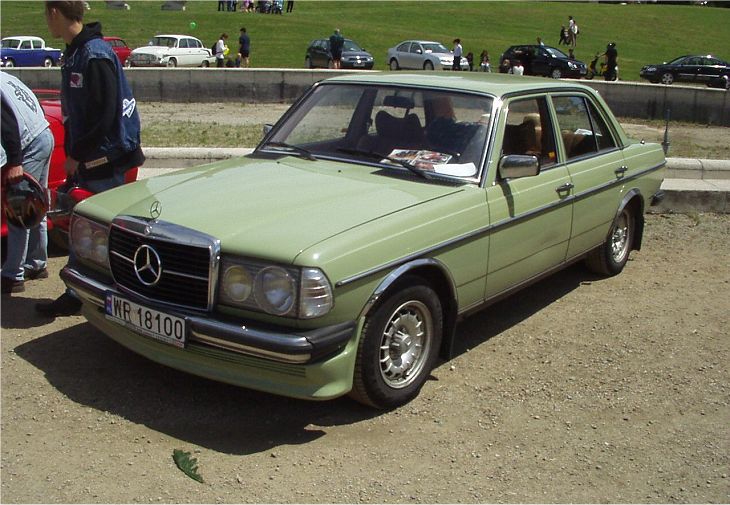
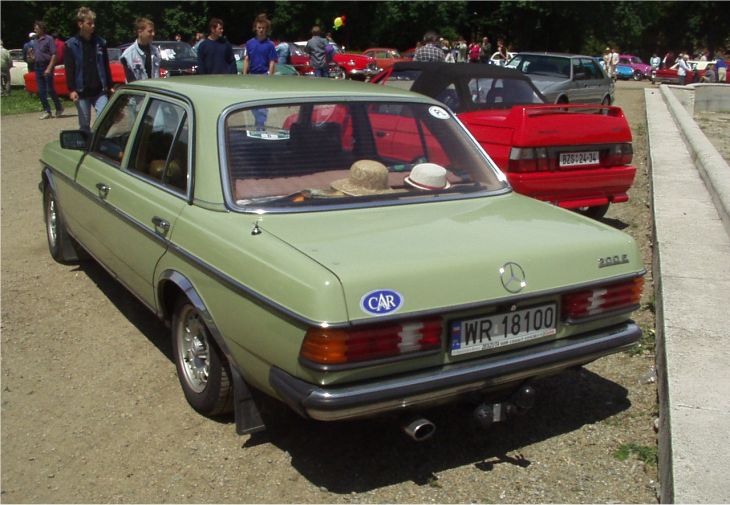
The Mercedes-Benz 200 in 1980 was part of the W123 series and represented the petrol-powered entry point to one of the most respected and enduring model ranges in Mercedes-Benz history. By 1980, the W123 was firmly established as a benchmark for quality, safety and durability, and the 200 embodied these values in their most straightforward and mechanically honest form. It was aimed at buyers who wanted traditional Mercedes-Benz engineering without the complexity or cost of larger engines.
Power came from a 2.0-litre inline four-cylinder petrol engine, from the M102 family, producing approximately 94 horsepower in carburetted form. Performance was modest, but the engine was smooth, reliable and well suited to steady everyday driving. Acceleration was unhurried, yet the car was capable of sustained motorway cruising when driven sympathetically. A four-speed manual gearbox was standard, with automatic transmission available as an option for buyers who prioritised comfort and ease of use.
The W123 chassis was engineered to exceptionally high standards. The body structure featured a rigid passenger safety cell with carefully designed crumple zones, reflecting Mercedes-Benz’s leadership in passive safety. Suspension consisted of double wishbones with coil springs at the front and a rear semi-trailing arm setup with coil springs, delivering excellent ride comfort and predictable handling across a wide range of road conditions. Disc brakes at the front and rear provided strong and consistent stopping power, a notable feature in the executive saloon class at the time.
Styling of the 1980 Mercedes-Benz 200 followed the clean, functional design language that made the W123 instantly recognisable. Straight body lines, a tall glasshouse and an upright grille conveyed solidity and professionalism rather than fashion. Chrome detailing was restrained, and the overall design prioritised clarity, visibility and durability. The W123’s appearance proved timeless and remains closely associated with Mercedes-Benz’s reputation for engineering integrity.
Inside, the cabin was spacious, practical and exceptionally well built. Materials were chosen for longevity rather than luxury, with high-quality plastics, durable fabrics and solid switchgear. Seats were firm and supportive, designed for long-distance comfort rather than softness. The dashboard layout was logical and uncluttered, with clear instrumentation and excellent outward visibility, reinforcing the car’s reputation for ergonomic excellence.
In everyday use, the Mercedes-Benz 200 was calm, predictable and reassuring. It rewarded smooth driving and mechanical sympathy rather than aggressive inputs. While overtaking required planning, the car excelled in steady traffic and long-distance use, where its stability, comfort and refinement were most apparent. Running costs were reasonable for a car of its class, and mechanical simplicity contributed to ease of maintenance.
By 1980, the 200 had become a common sight across Europe and export markets, used by families, professionals and fleets alike. Although often overshadowed by the diesel variants in terms of legendary longevity, the petrol 200 still earned a strong reputation for reliability and build quality. Many examples covered high mileages with routine servicing, reinforcing the W123’s near-mythical status.
Today, the Mercedes-Benz 200 from 1980 is regarded as a pure expression of the W123 philosophy. It is valued not for performance, but for its balance, solidity and timeless engineering. Well-preserved examples are increasingly appreciated as modern classics, representing an era when Mercedes-Benz built cars with the expectation that they would remain in service for decades.