Description
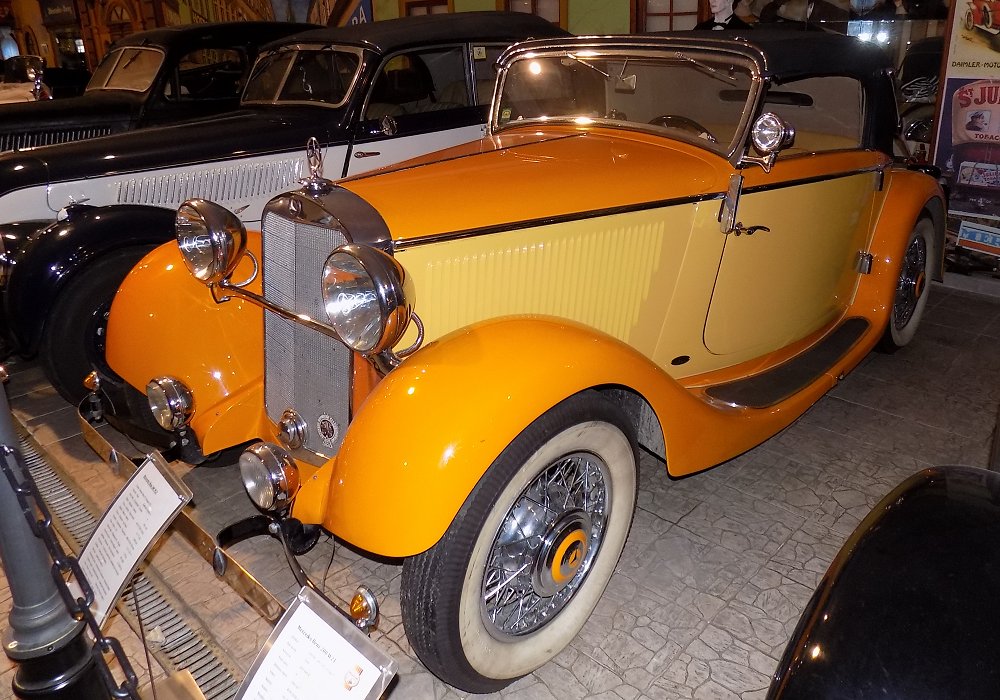
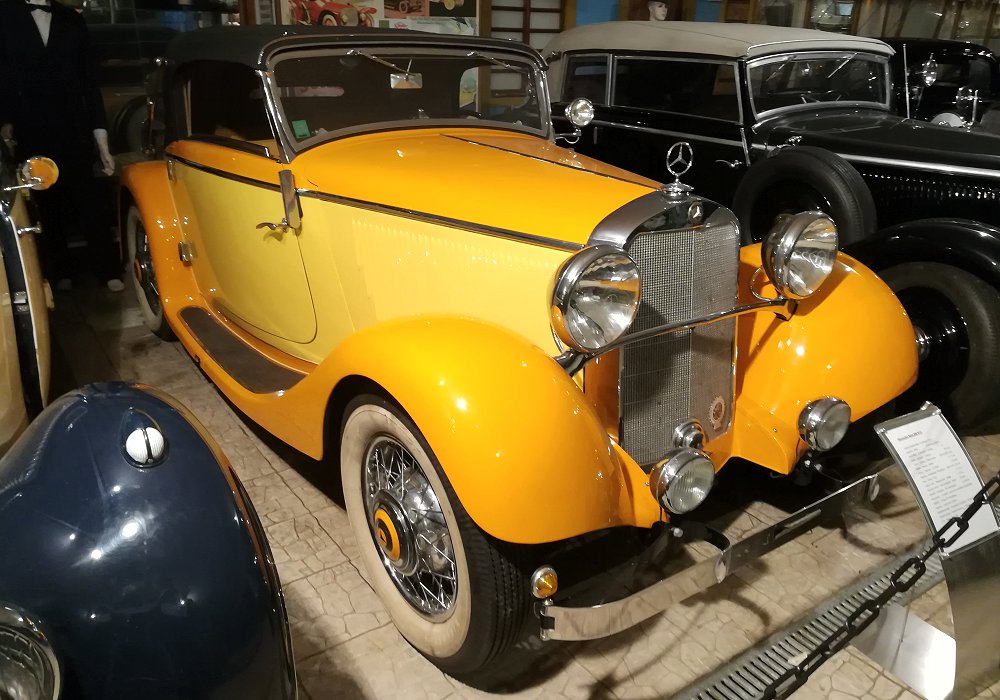
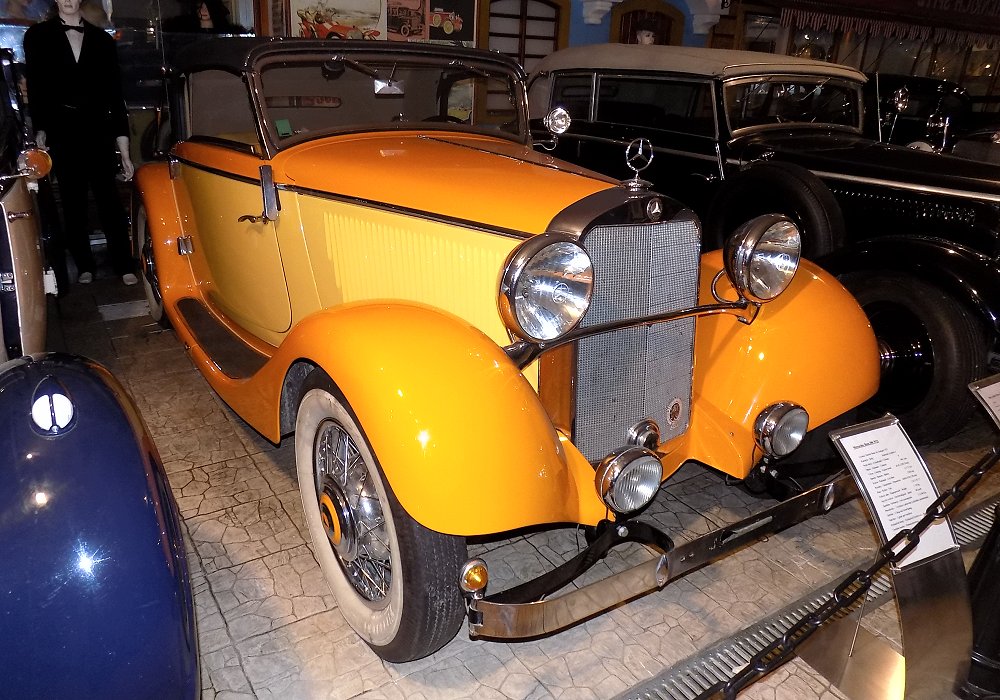
The Mercedes-Benz 200 Cabriolet A was the most elegant and exclusively styled open-body variant of the Mercedes-Benz 200 (W21) range, introduced in 1933 as part of Mercedes’ growing mid-size offering. While the standard saloons were aimed at business users and middle-class families, the Cabriolet A was a refined two-seater designed for private buyers who wanted an intimate, luxurious touring car built on Mercedes’ dependable six-cylinder platform. It combined compactness with prestige, offering a distilled version of Mercedes’ classic cabriolet craftsmanship in a smaller, more manageable package.
The car was powered by a 1.9-litre inline-six engine producing around 40–45 horsepower depending on year and specification. The engine was smooth, flexible and refined, delivering enough power for relaxed touring and comfortable everyday driving. While it was not a performance machine, its quiet running, strong torque and reliability made it an appealing choice for owners who valued refinement over outright speed. The engine was paired with a four-speed manual gearbox that provided clean, precise shifting and a long service life, characteristics for which the W21 series became well regarded.
The chassis used a straightforward but durable ladder-frame construction that provided strength and stability. Suspension consisted of semi-elliptic leaf springs front and rear, tuned for comfort and predictability on the typical road surfaces of the early 1930s. The car rode smoothly at moderate speeds, and the handling was secure and reassuring, with a steering system that required some effort at low speeds but became pleasant and direct once the car was moving. Mechanical drum brakes on all four wheels delivered adequate stopping power, fitting the car’s touring character.
What set the 200 Cabriolet A apart was its elegant, compact bodywork, built by the Mercedes-Benz Sindelfingen coachworks. The design followed the classic proportions of a two-seat pre-war cabriolet: a long bonnet, flowing front wings, a compact passenger cell and a gracefully sloping rear deck where the folded roof rested. The folding top was made from high-quality material and fitted snugly when raised, offering good weather protection. When lowered, it revealed a clean, open profile that highlighted the car’s graceful body lines. The Cabriolet A’s shorter wheelbase and two-seat layout gave it a more sporting stance than the larger, four-seat cabriolets in the Mercedes range.
Inside, the cabin was intimate but richly finished. Two generously padded seats provided comfort for touring, upholstered in fine leather or high-grade fabric depending on the buyer’s preference. The dashboard featured polished wood or neatly painted metal trim, with a clear layout of instruments including speedometer, oil pressure, temperature and fuel gauges. Switchgear and fittings were crafted with the precision expected of Mercedes-Benz, emphasising durability and craftsmanship even in the company’s smaller, more affordable models. The compact cabin created a sense of closeness between the driver and passenger, adding to the car’s appeal as a stylish personal touring vehicle.
On the road, the 200 Cabriolet A delivered a calm, pleasant driving experience. The six-cylinder engine ensured smooth acceleration and quiet running, while the suspension softened rough surfaces effectively. Its smaller size made it easy to place on narrow or winding roads, and the open-top configuration added an extra layer of enjoyment during scenic drives. The balance between refinement, usability and style made it especially appealing to private owners seeking a companionable and elegant car for weekend motoring.
The Mercedes-Benz 200 Cabriolet A held a special place within the W21 model family. It was produced in much smaller numbers than the saloons or the more versatile Cabriolet B variants, making it a prized choice for those who wanted exclusivity. Its blend of classical cabriolet proportions, dependable engineering and compact luxury made it one of the more desirable mid-range Mercedes models of the early 1930s.
Today, surviving examples of the 200 Cabriolet A are considered highly collectible. Their rarity, craftsmanship and understated elegance make them attractive to enthusiasts of pre-war Mercedes-Benz design. The model represents a period when Mercedes was expanding its range while still maintaining traditional coachbuilding quality, resulting in a car that feels both intimate and thoroughly refined—a small but memorable jewel in the company’s pre-war catalogue.