Description
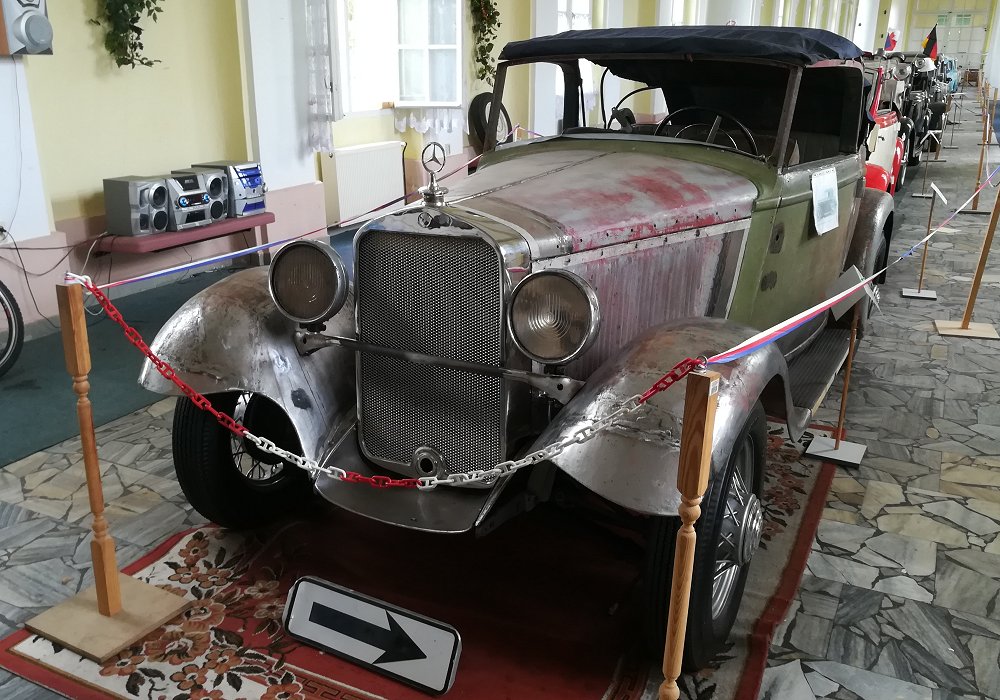
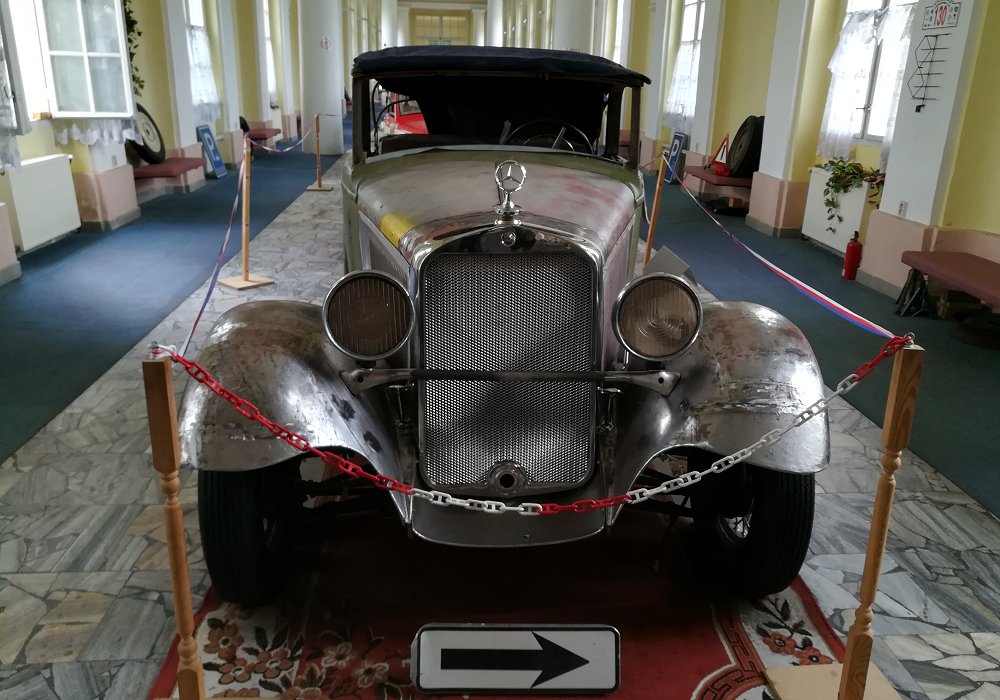
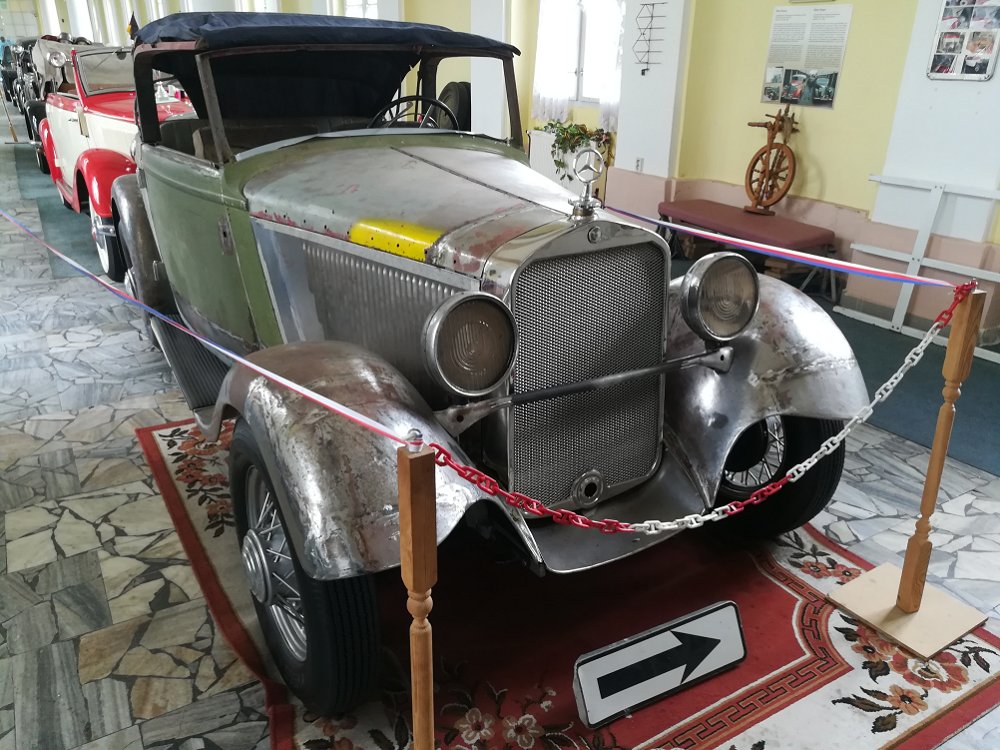
The Mercedes-Benz 200 Cabriolet C was the most practical and versatile open-top variant within the Mercedes-Benz 200 (W21) model family, introduced in 1933 as part of the company’s expanding mid-size range. Positioned above the two-seat Cabriolet A in terms of space and usability, the Cabriolet C offered seating for four and combined the engineering dependability of the W21 platform with the relaxed, elegant character expected of a Mercedes touring cabriolet. It appealed to private owners and families who wanted open-air motoring without sacrificing comfort or passenger capacity.
Power came from the same 1.9-litre inline-six engine used across the W21 series. Producing around 40 to 45 horsepower depending on model year, the engine was smooth, quiet and notably refined for its class. It provided steady low-end torque, enough for relaxed long-distance touring and everyday driving. Though not fast by sporting standards, the 200 Cabriolet C was appreciated for the consistency and reliability of its mechanical behaviour. The four-speed manual gearbox matched the engine’s character, offering clean shifts and long-term durability typical of Mercedes’ well-engineered mid-size cars of the early 1930s.
The chassis was based on a sturdy ladder-frame construction, giving the Cabriolet C the strength needed to support a four-seat open body without losing rigidity. Suspension used semi-elliptic leaf springs at both axles, delivering a comfortable ride and predictable road manners. Typical of the period, the steering required effort at low speeds but became fluid and accurate once the car was moving. Mechanical drum brakes on all four wheels provided dependable stopping power, adequate for the car’s weight and intended use. The handling was secure and stable, with a driving feel suited to sedate touring rather than rapid cornering.
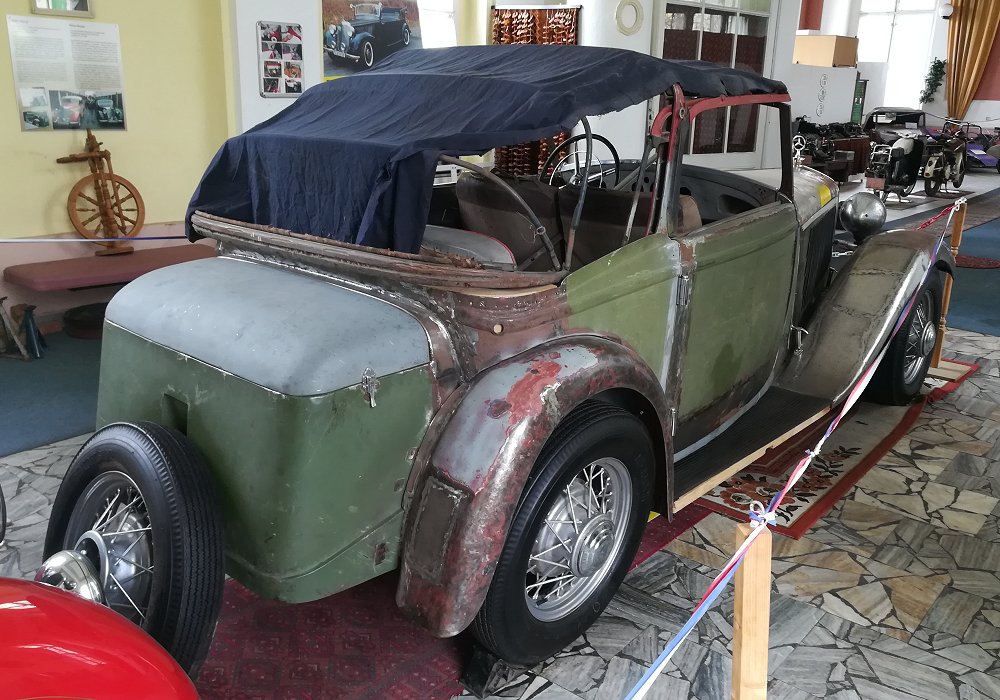
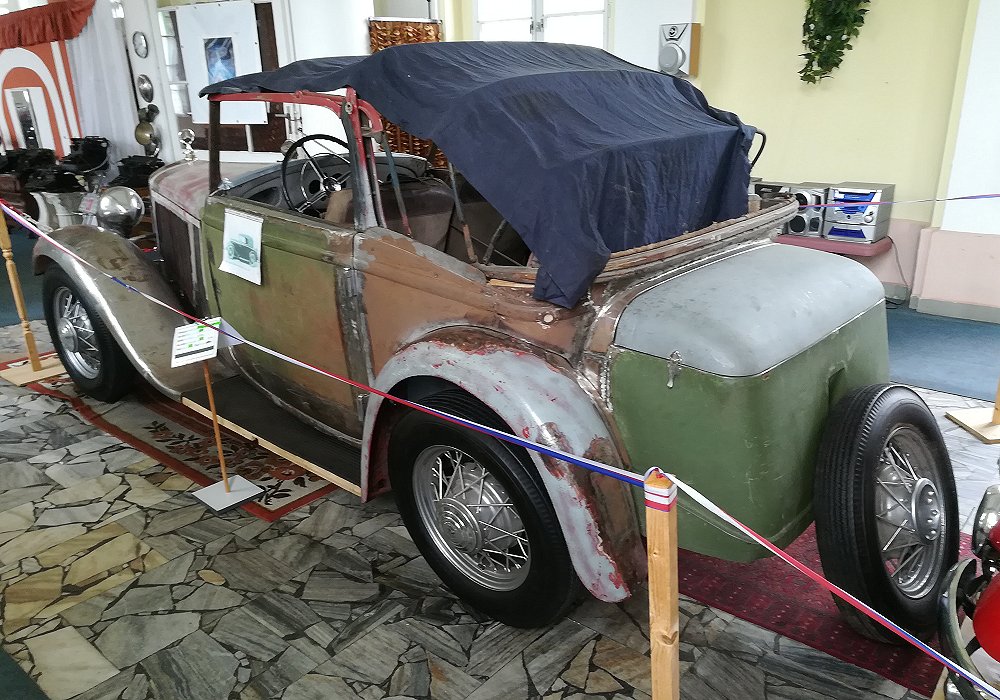
The bodywork was crafted by Mercedes’ Sindelfingen coachworks and followed the traditional layout of a full four-seat cabriolet. Its proportions were harmonious: a long bonnet, sweeping wings, four proper side doors, an elegant beltline and a gently sloping rear section that accommodated the folding roof. When raised, the fabric top provided decent weather protection and preserved the dignified silhouette of a Mercedes saloon. When lowered, it folded neatly towards the rear, transforming the car into a graceful open tourer. This dual character made the Cabriolet C one of the most appealing variants for owners who valued both practicality and style.
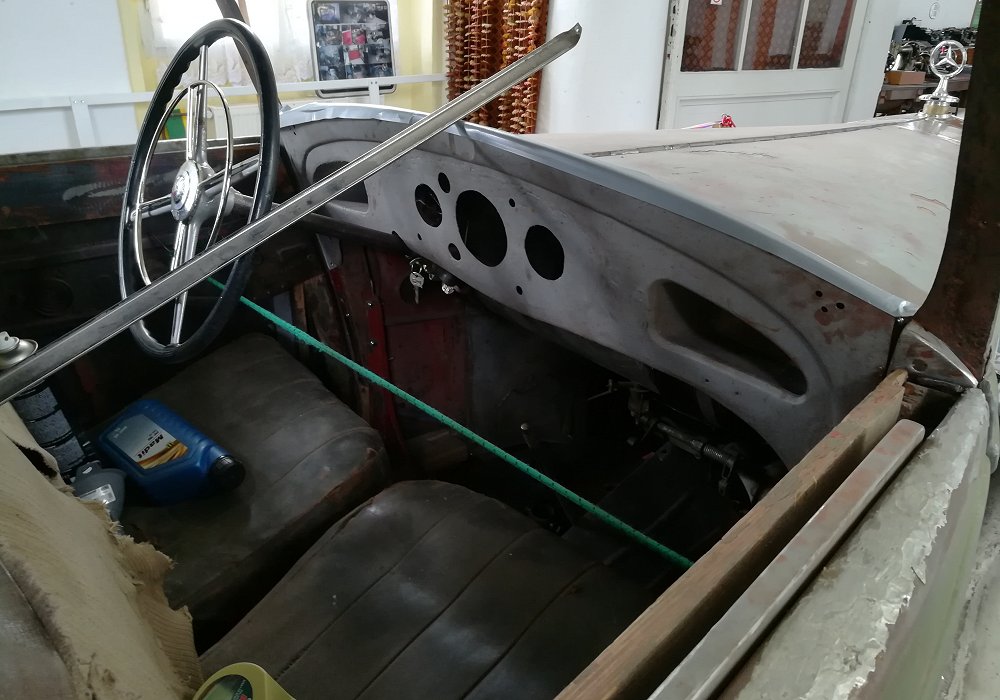
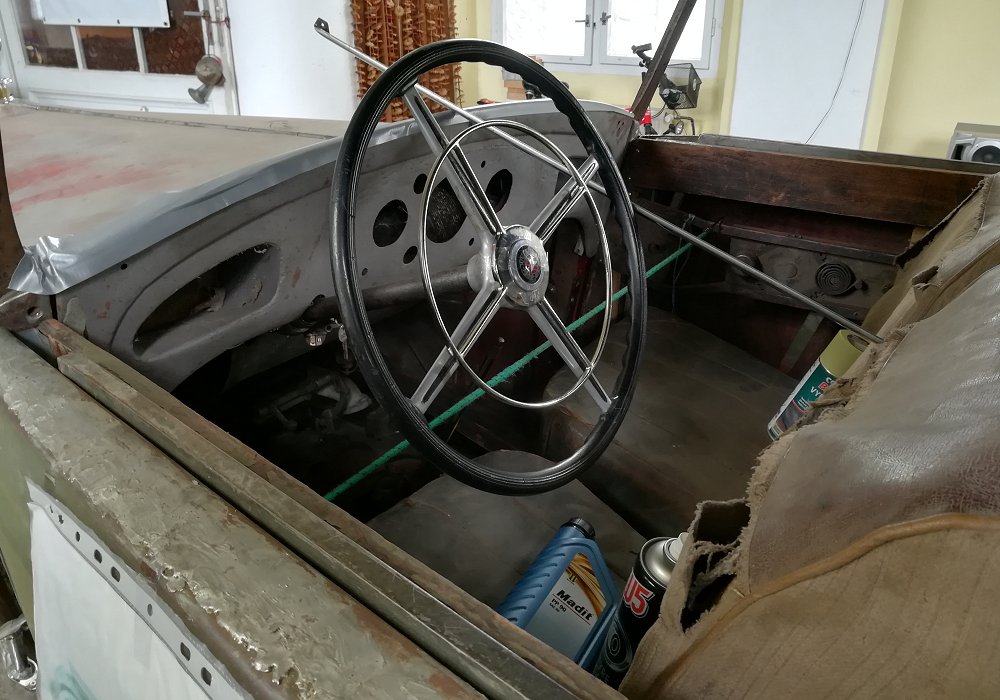
Inside, the cabin offered ample space for four adults. The seating was comfortably upholstered in durable cloth or optional leather, with broad front seats and a well-shaped rear bench. The dashboard was shared with other W21 variants and featured clear, neatly arranged instruments framed by either polished wood or painted metal depending on specification. Window winders, door handles and other fittings were solidly engineered, reflecting Mercedes’ focus on quality even in its mid-range offerings. With the roof folded back, the interior felt bright and open, making the Cabriolet C particularly enjoyable for scenic touring.
On the road, the Mercedes-Benz 200 Cabriolet C provided a leisurely and refined driving experience. The six-cylinder engine delivered smooth acceleration and quiet running, and the suspension softened rough surfaces effectively. The car’s size and weight made it well suited to long-distance travel, while the open-roof layout added to the sense of freedom and enjoyment. It was not a sporting chassis, but rather a comfortable and confident one, enabling relaxed, unhurried progress.
The Cabriolet C occupied an important middle ground within the W21 lineup. It was more spacious and practical than the two-seat Cabriolet A, yet more stylish and desirable than the standard saloons. It appealed to well-to-do families, touring enthusiasts and buyers looking for a refined open car without stepping into the larger, more expensive Mercedes models. Production numbers were relatively low compared with the saloons, adding to its exclusivity.
Today, the Mercedes-Benz 200 Cabriolet C is regarded as one of the most charming and usable variants of the W21 series. Its combination of four-seat practicality, elegant Sindelfingen craftsmanship and smooth six-cylinder touring capability makes it particularly appealing to collectors of pre-war Mercedes automobiles. Surviving examples offer an authentic and enjoyable driving experience, capturing the relaxed sophistication that defined Mercedes-Benz cabriolets of the early 1930s.