Description
The Mercedes-Benz 200 Lang was the long-wheelbase version of the W21 series introduced in 1933, created to offer additional interior space and greater passenger comfort within Mercedes-Benz’s expanding mid-size range. While the standard W21 models were practical and well-appointed, the Lang variant addressed the needs of customers who required more legroom, increased cabin volume or a more formal appearance. It became particularly popular with taxi operators, professional drivers and buyers who wanted a more spacious Mercedes without moving into the larger and more expensive six-cylinder luxury classes.
The car used the same 1.9-litre inline-six engine that powered the standard-wheelbase W21 models. With an output of around 40 to 45 horsepower depending on year and specification, the engine provided smooth and refined performance suited to steady, comfortable touring. It was known for its reliability, quiet running and strong low-speed torque. Paired with a four-speed manual gearbox, the drivetrain was durable and easy to operate, allowing the 200 Lang to cope well with the stop-and-go driving conditions often encountered in taxi service or urban use.
The principal difference lay in the chassis. The Lang version featured a wheelbase extended by approximately 350 mm compared with the standard model. This longer wheelbase not only increased interior space but also improved ride comfort, as the car now covered bumps with a more settled, measured motion. The chassis retained its ladder-frame construction, offering strength and stability, and the suspension continued to employ semi-elliptic leaf springs front and rear. Steering remained characteristically firm at low speeds but became light enough once underway, and mechanical drum brakes on all four wheels provided dependable stopping capability.
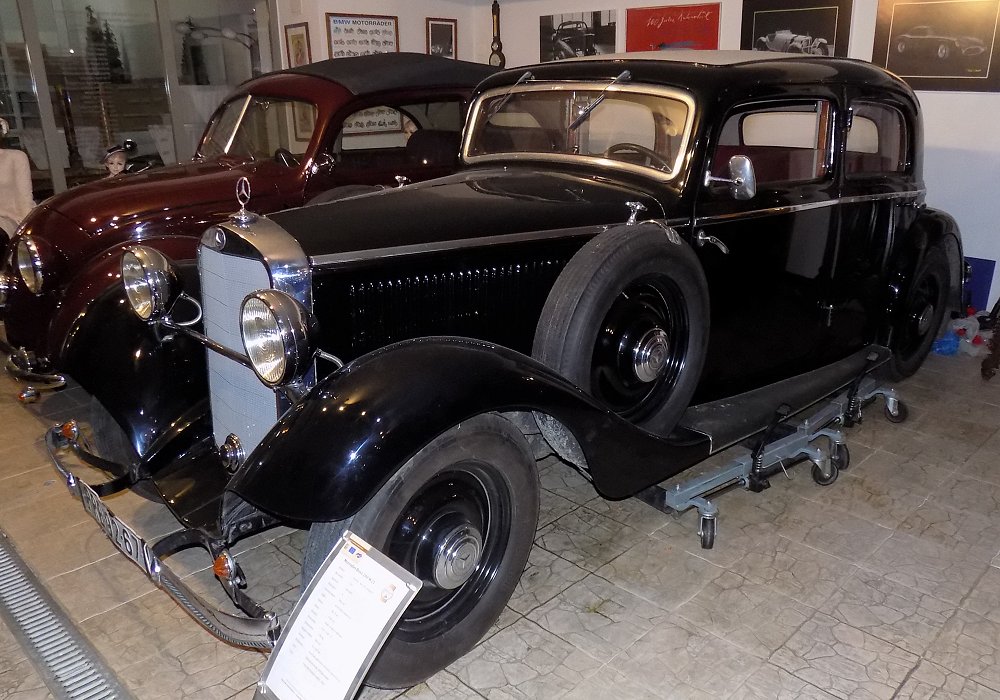
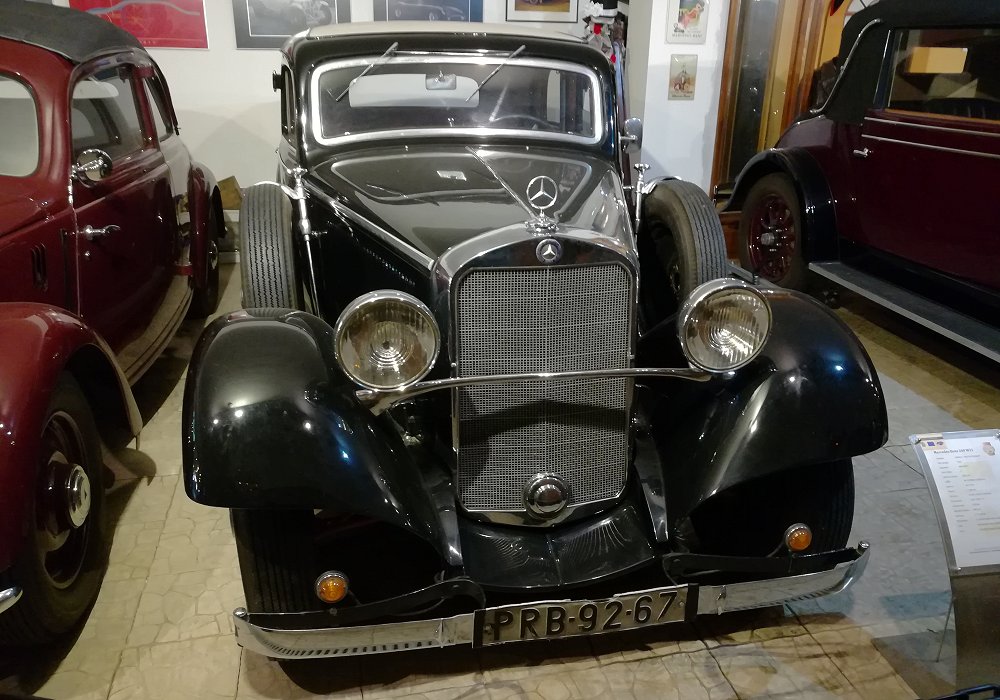
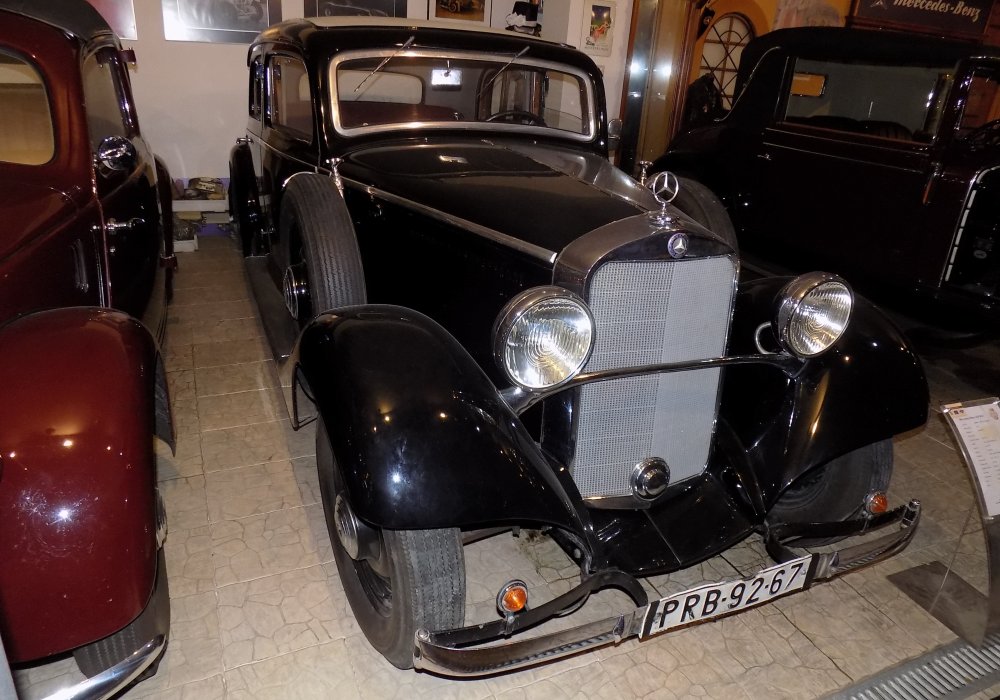
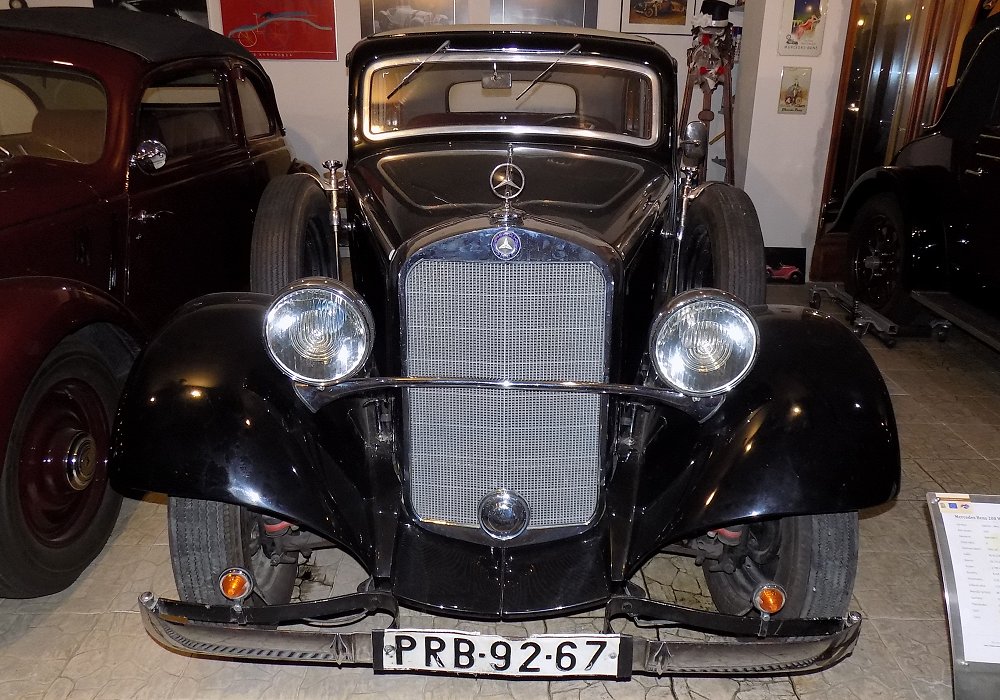
Visually, the 200 Lang maintained the same basic styling as the standard model but with stretched and more formal proportions. The longer rear doors and extended cabin were the most obvious differences, giving the car a more upright and dignified appearance. Depending on body style, the extra length could be used for increased passenger legroom, a more spacious rear compartment or additional luggage capacity. The Lang was offered primarily as a four-door saloon, though other body styles were available in limited numbers through Mercedes’ Sindelfingen coachworks or independent builders. For taxi use, the longer body allowed easier rear-seat entry and improved comfort for passengers, which greatly contributed to its popularity.
Inside, the extended wheelbase translated into a noticeably more spacious cabin. Rear passengers benefitted the most, gaining generous legroom and improved comfort during long journeys or professional transport duties. Seating was typically upholstered in hard-wearing fabric for commercial versions or higher-grade materials for private buyers. The dashboard and fittings remained consistent with the rest of the W21 family, with clear mechanical instruments, neatly crafted switchgear and trim materials chosen for durability and refinement. The additional space gave the 200 Lang a more stately, luxurious feel even in its more utilitarian configurations.
On the road, the 200 Lang delivered the calm, composed driving experience typical of the W21 series but with an added sense of stability thanks to the longer wheelbase. The suspension soaked up rough surfaces effectively, and the car maintained a steady, relaxed gait at cruising speeds. While the extended chassis made the car slightly less agile than the standard model, it offered superior comfort for passengers, particularly in the rear compartment. This quality made it a favourite among taxis and professional chauffeurs, who valued its smoothness, durability and low running costs.
The 200 Lang played an important role within the W21 range, serving both practical and semi-luxury markets. It bridged the gap between Mercedes’ compact mid-size models and the large six- and eight-cylinder luxury cars, offering many of the latter’s comfort benefits at a more accessible price. Its strong engineering, reliable six-cylinder power and comfortable, spacious cabin gave it a long service life, especially in commercial use.
Today, the Mercedes-Benz 200 Lang is appreciated for its historical significance and its unusual proportions within the W21 lineup. Survivors are relatively rare, as many long-wheelbase cars spent decades in taxi or commercial service. Well-preserved examples reveal the model’s original strengths: generous space, smooth six-cylinder touring capability and understated elegance. The 200 Lang stands as a reminder of Mercedes-Benz’s versatility in the early 1930s, offering both technical sophistication and practical usability across a broad customer base.