Description
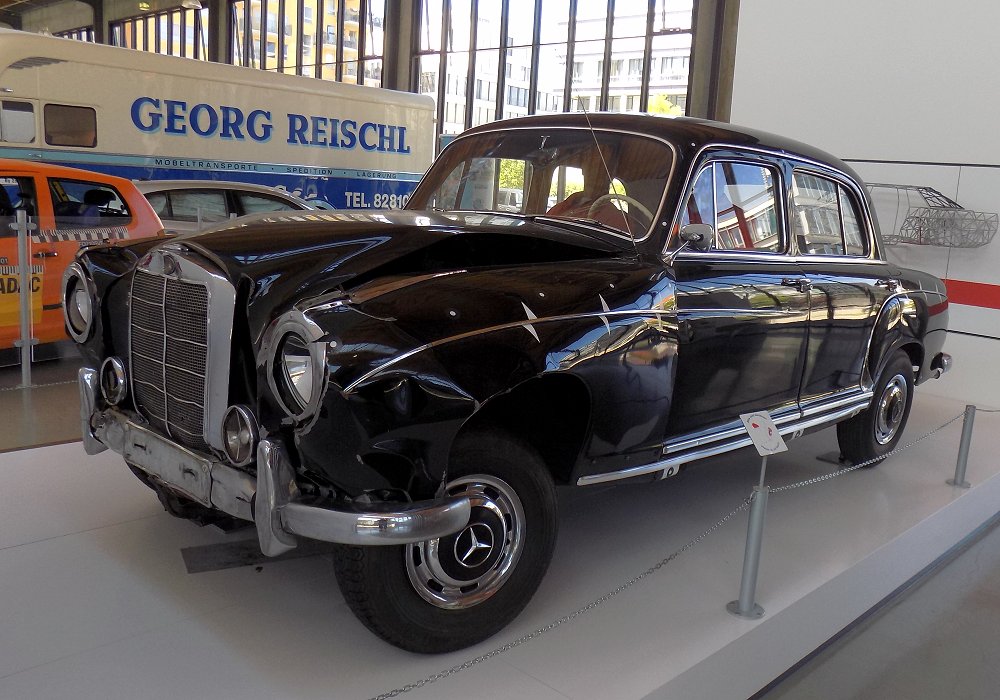
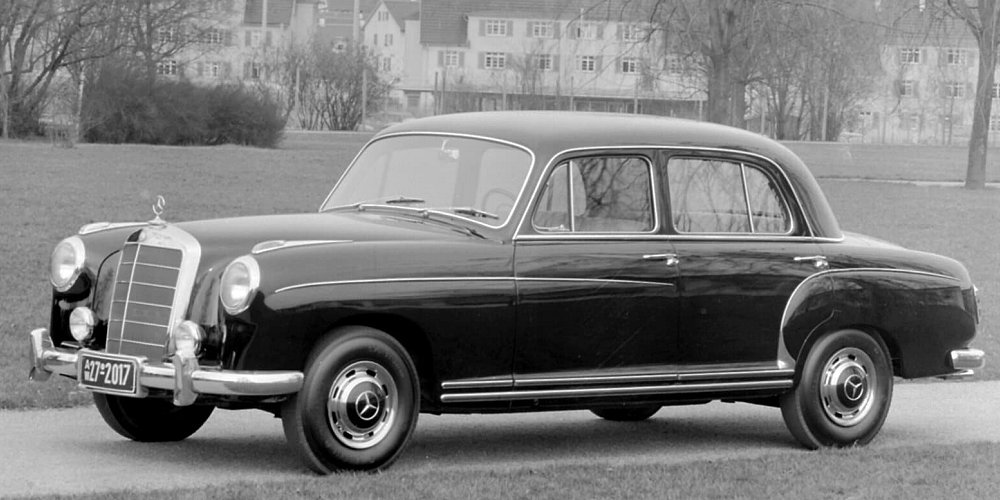
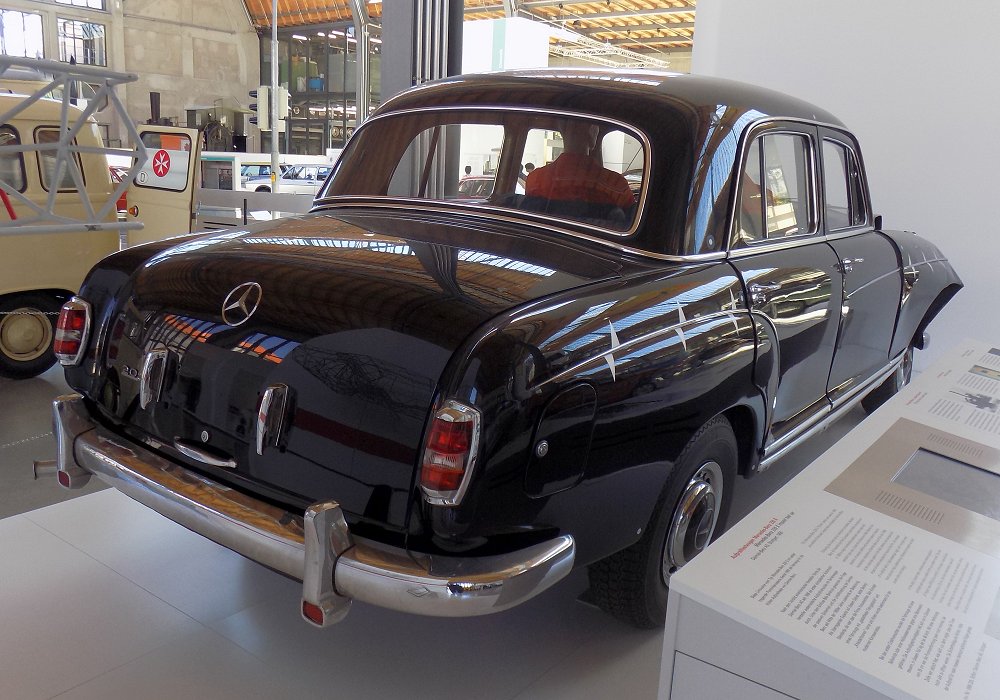
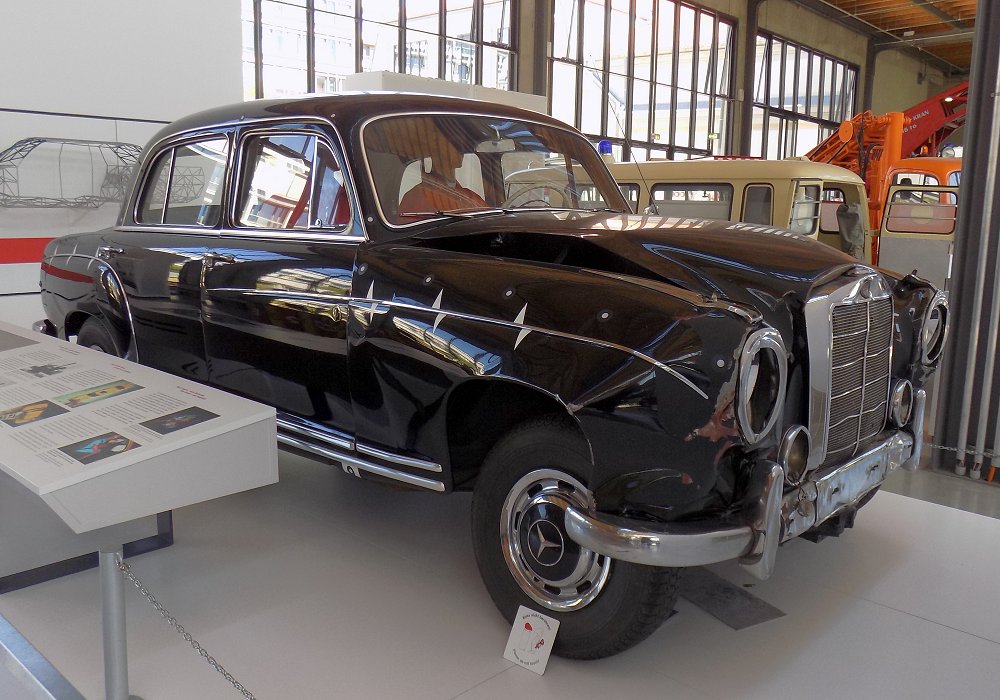
The Mercedes-Benz 220 S was a significant step forward in Mercedes-Benz’s post-war executive car range, representing a clear move toward greater performance, comfort and refinement within the Ponton generation. Introduced in 1956 under the internal designation W180, the 220 S replaced the earlier W187 220 and was positioned as a premium six-cylinder saloon above the four-cylinder 180 and 190 models. It combined modern unitary body construction with a more powerful engine and improved equipment, reinforcing Mercedes-Benz’s reputation for understated quality and engineering integrity.
Power came from a newly developed 2.2-litre inline six-cylinder petrol engine featuring twin carburettors. Output rose to approximately 106 horsepower, a substantial increase over earlier six-cylinder models and a clear improvement over the four-cylinder Ponton cars. This engine delivered smooth, flexible performance with strong mid-range torque, making the 220 S particularly well suited to autobahn driving and long-distance touring. A four-speed manual gearbox drove the rear wheels, and the drivetrain was engineered for quiet, relaxed operation rather than sporting aggression.
The 220 S used the self-supporting monocoque body introduced with the Ponton series, which marked Mercedes-Benz’s full transition away from separate chassis construction. This structure improved rigidity, reduced weight and enhanced safety, while also allowing better interior packaging. Independent front suspension with double wishbones and coil springs provided stable handling and good ride comfort, and the rear swing-axle suspension with coil springs was tuned for smoother, more predictable behaviour than earlier designs. Hydraulic drum brakes on all four wheels offered dependable stopping power appropriate to the car’s performance.
Styling of the Mercedes-Benz 220 S followed the clean, integrated Ponton design language but with subtle enhancements that reflected its higher status. Chrome detailing was more generous, and the overall proportions appeared more balanced and substantial than those of the smaller models. The upright grille and restrained ornamentation maintained a dignified Mercedes-Benz identity, projecting seriousness and quality rather than fashion.
Inside, the 220 S offered a noticeable step up in comfort and finish. Seating was generously padded and designed for long-distance comfort, with upholstery options that included higher-quality cloth and leather. The dashboard featured improved materials and clearer instrumentation, and attention to sound insulation contributed to a quieter cabin. Overall interior design emphasised solidity, clarity and craftsmanship rather than luxury excess, aligning with Mercedes-Benz’s conservative approach to premium motoring.
In everyday use, the 220 S was praised for its smoothness, stability and relaxed performance. The six-cylinder engine transformed the driving experience compared with four-cylinder Ponton models, particularly at higher cruising speeds. Handling was predictable and forgiving, and the car coped well with the varied road conditions of late 1950s Europe. While fuel consumption was higher than that of smaller models, buyers generally accepted this in exchange for improved refinement and performance.
The Mercedes-Benz 220 S was available in several body styles, including saloon, coupé and cabriolet variants, allowing it to serve a wide range of roles from private executive transport to more formal or leisure-oriented use. The cabriolet and coupé versions, in particular, continued Mercedes-Benz’s tradition of elegant, hand-finished luxury cars, though they were produced in much smaller numbers.
Today, the Mercedes-Benz 220 S is regarded as one of the most important and well-rounded Ponton models. It represents the point at which Mercedes-Benz successfully combined modern body construction with refined six-cylinder performance in a coherent and durable package. Surviving examples are valued for their smooth engines, solid build quality and historical significance, making the 220 S a key milestone in the evolution of Mercedes-Benz’s post-war executive cars.