Description
The Mercedes-Benz 220 S 13 CV was a market-specific designation of the W180-series 220 S, reflecting taxation classifications used in certain European countries rather than a mechanically distinct model. Introduced in the mid-1950s, the 220 S itself represented a major step forward for Mercedes-Benz within the Ponton range, combining modern unitary body construction with refined six-cylinder performance. The “13 CV” rating referred to the French fiscal horsepower system and positioned the car within a specific tax bracket, rather than indicating actual engine output.
Mechanically, the 220 S 13 CV was identical to the standard 220 S. Power came from a 2.2-litre inline six-cylinder petrol engine equipped with twin carburettors, producing approximately 106 horsepower. This engine delivered smooth, flexible performance and a substantial improvement over earlier single-carburettor six-cylinder Mercedes models. Acceleration was confident for the period, and cruising at higher speeds was effortless, making the car particularly well suited to long-distance touring. A four-speed manual gearbox transmitted power to the rear wheels, with ratios chosen to emphasise refinement and relaxed cruising rather than sportiness.
The car used Mercedes-Benz’s self-supporting monocoque body, a defining feature of the Ponton generation. This construction improved structural rigidity, reduced weight and enhanced safety compared with earlier ladder-frame designs. Independent front suspension with double wishbones and coil springs provided stable handling and good ride comfort, while the rear swing-axle suspension with coil springs was tuned to offer smoother and more predictable behaviour than earlier iterations. Hydraulic drum brakes on all four wheels delivered dependable stopping power appropriate to the car’s performance and weight.
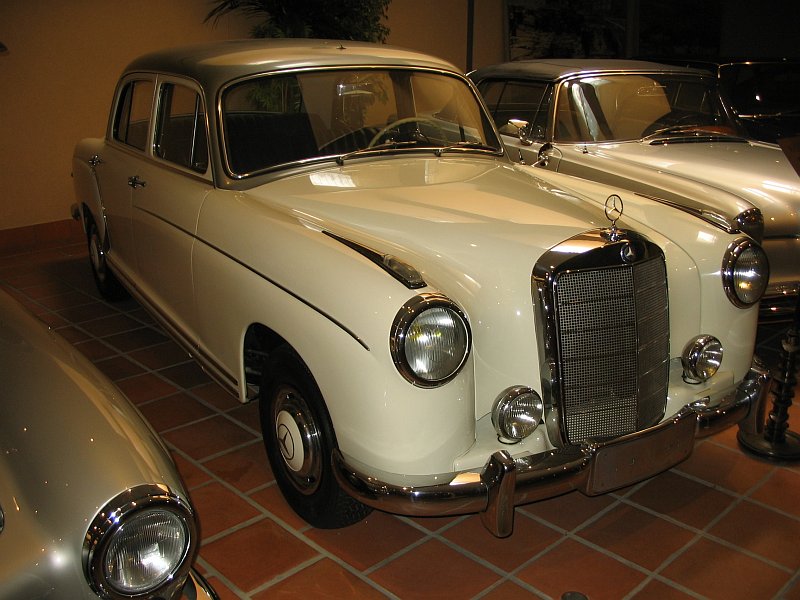
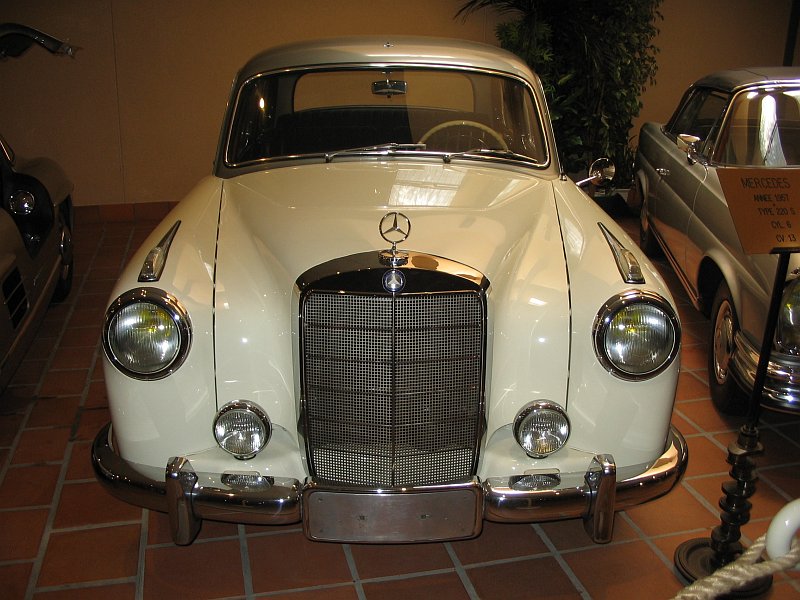
In appearance, the Mercedes-Benz 220 S 13 CV followed the familiar Ponton styling, with fully integrated wings, a clean slab-sided profile and an upright grille that preserved a strong Mercedes-Benz identity. Compared with four-cylinder Ponton models, the 220 S featured more generous chrome detailing and a slightly more imposing presence, reflecting its higher position in the range. The design was conservative but purposeful, projecting solidity and quality rather than fashion.
Inside, the cabin offered a noticeable step up in comfort and finish over smaller models. Seating was generously padded and suitable for long-distance travel, with upholstery in higher-quality cloth or optional leather depending on market and specification. The dashboard layout was clear and functional, with improved materials and better sound insulation contributing to a quieter, more refined interior environment. The emphasis was on durability, clarity and understated quality rather than luxury excess.
In everyday driving, the 220 S 13 CV delivered a calm and assured experience. The six-cylinder engine transformed the character of the Ponton body, making motorway and main-road driving far more relaxed than in four-cylinder variants. Handling was predictable and stable, rewarding smooth inputs and unhurried driving. Fuel consumption was higher than in smaller-engined models, but this was an accepted trade-off for improved refinement and performance.
The 13 CV designation was particularly relevant in export and continental European markets where vehicle taxation was based on calculated fiscal horsepower. By fitting within this classification, the 220 S was positioned as a premium yet manageable executive car for professionals and business owners who needed performance and prestige without moving into the highest tax categories.
Today, the Mercedes-Benz 220 S 13 CV is regarded as a historically interesting variation of the standard 220 S rather than a distinct model in its own right. Surviving examples are valued for their smooth six-cylinder engines, Ponton-era build quality and role in Mercedes-Benz’s expansion into international markets during the 1950s. As part of the broader 220 S story, the 13 CV designation highlights how Mercedes-Benz adapted its offerings to suit differing regulatory and taxation environments while maintaining consistent engineering and design values.