Description
The Mercedes-Benz 220 Sb was an updated version of the Ponton-series six-cylinder saloon and formed part of Mercedes-Benz’s steady evolution of its post-war executive cars during the mid to late 1950s. As a development of the earlier 220 b, the 220 Sb introduced mechanical and refinement improvements while retaining the conservative design and engineering philosophy that had helped restore the brand’s reputation for quality, durability and technical seriousness.
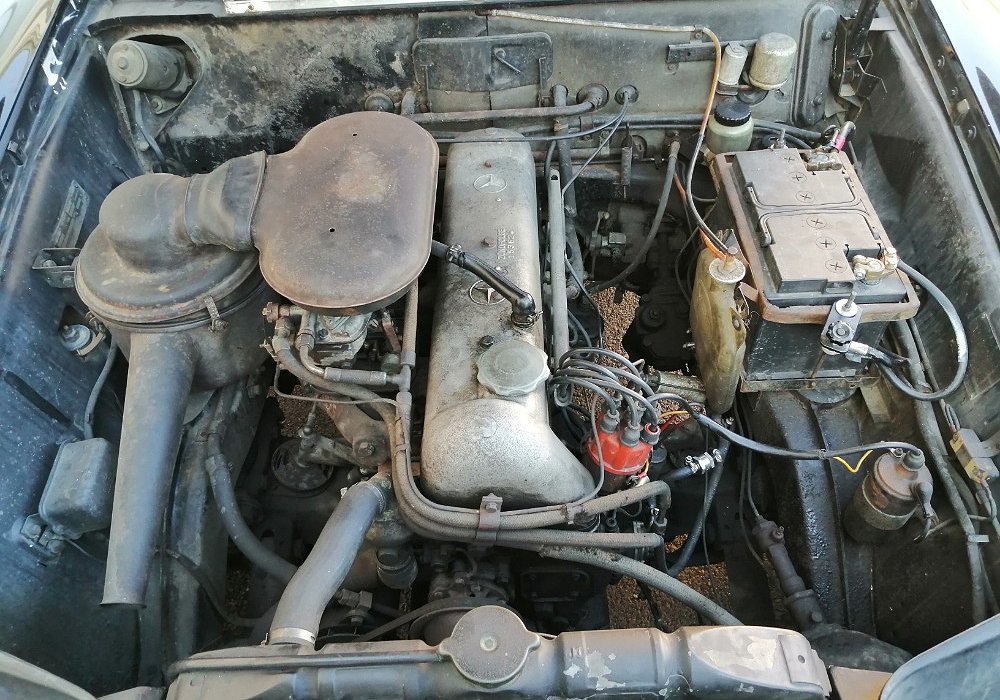
Power came from a 2.2-litre inline six-cylinder petrol engine producing approximately 100 horsepower, a noticeable increase over the earlier 220 b. This improvement gave the 220 Sb stronger acceleration and more relaxed cruising ability, particularly on the expanding European motorway network. The engine was smooth and flexible, delivering power in a refined, progressive manner rather than emphasising outright speed. A four-speed manual gearbox was standard, driving the rear wheels and reinforcing the car’s traditional mechanical layout.
The Ponton unitary body construction was retained, providing good structural rigidity and a solid feel on the road. Suspension consisted of independent double wishbones with coil springs at the front and a swing-axle rear suspension with coil springs. This setup prioritised ride comfort and stability on uneven road surfaces, though it required careful driving at higher speeds due to the swing-axle’s handling characteristics. Drum brakes were fitted on all four wheels and were adequate for the car’s performance and intended use.
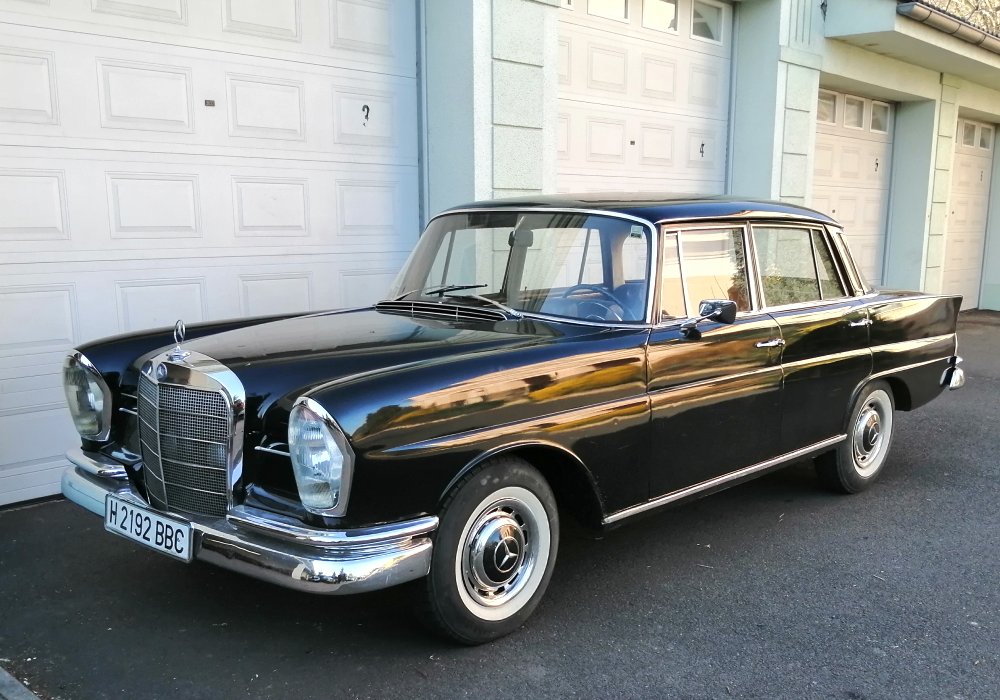
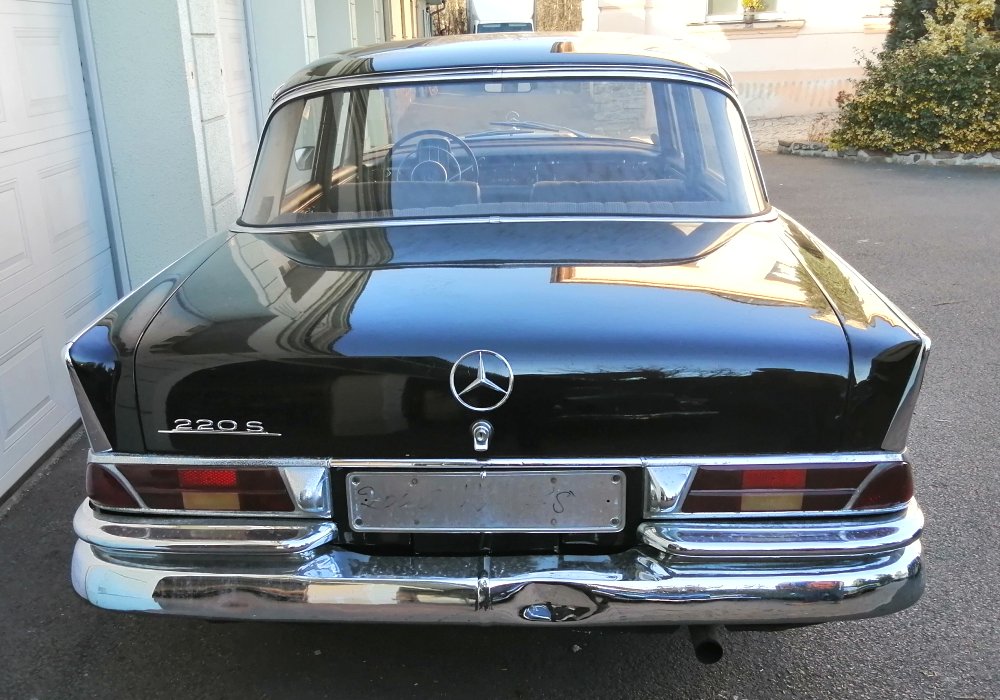
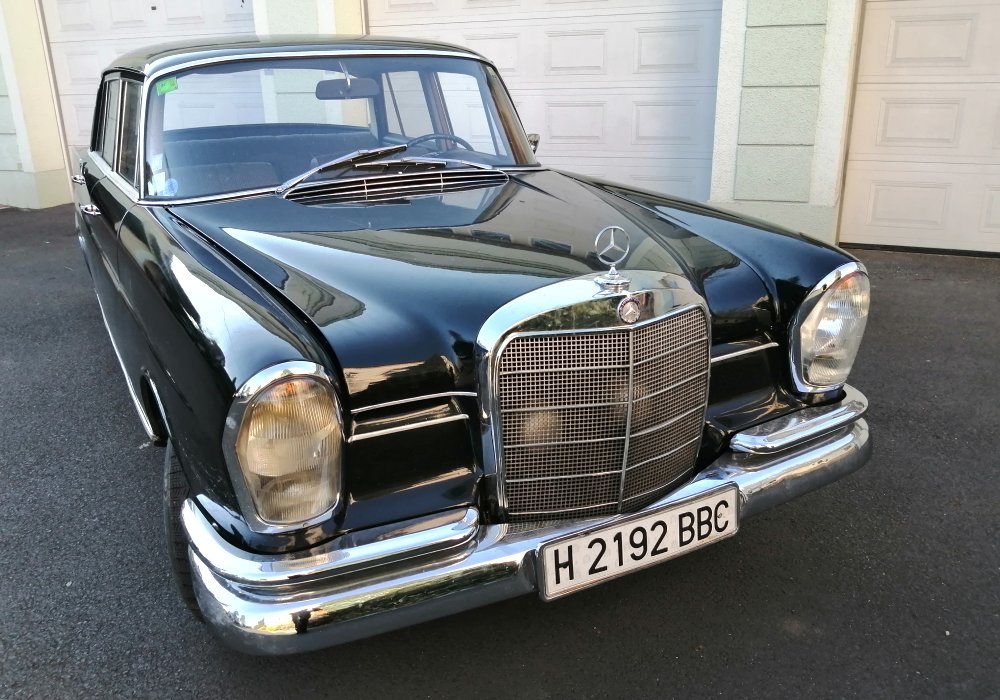
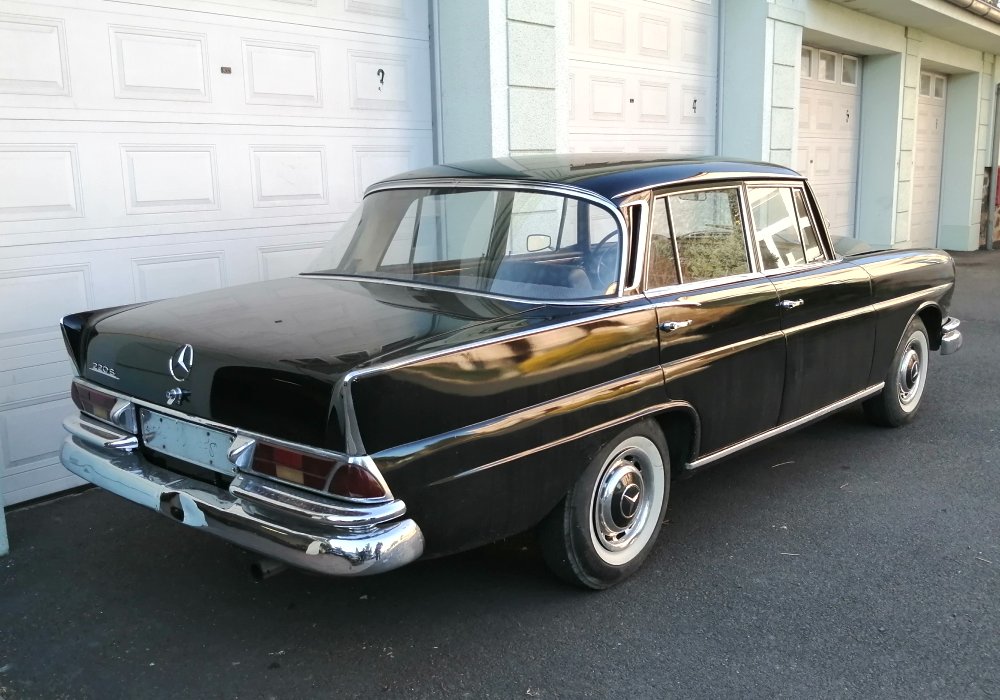
Styling of the Mercedes-Benz 220 Sb followed the familiar Ponton design language. The fully integrated body, smooth surfaces and enclosed wheel arches gave the car a modern and cohesive appearance for its time, marking a clear departure from pre-war separate-wing designs. Chrome detailing was restrained, and the overall look conveyed dignity, solidity and professionalism rather than luxury excess or sportiness.
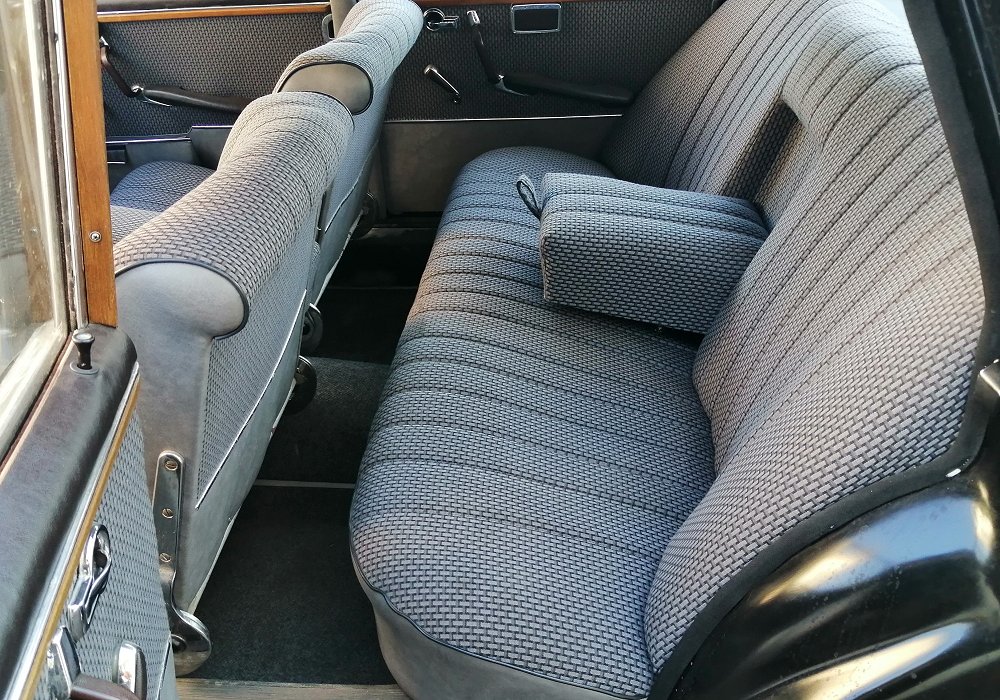
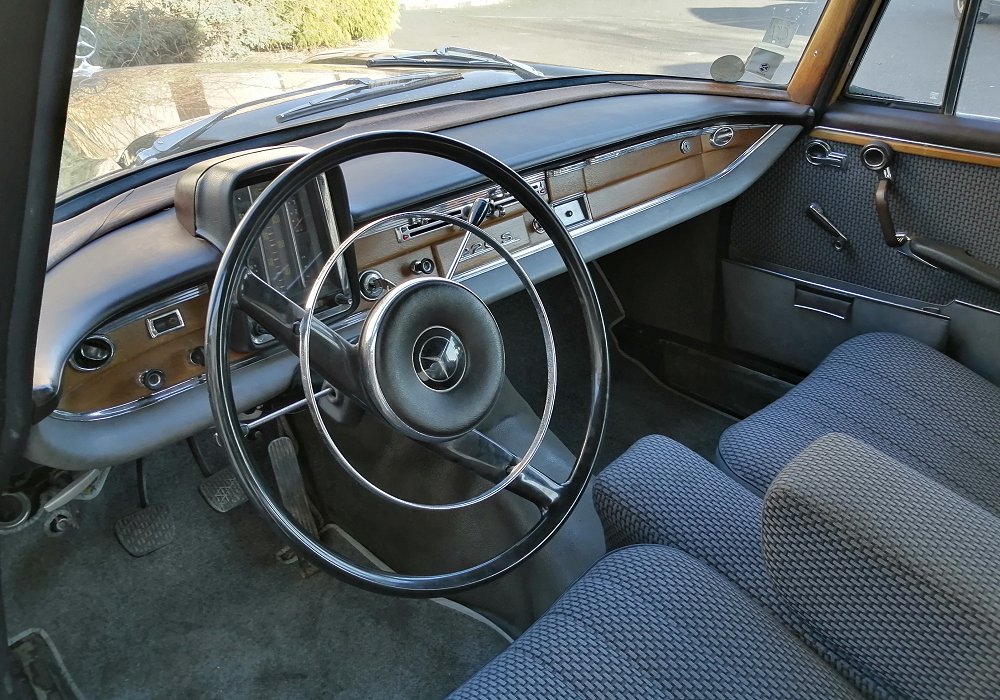
Inside, the cabin reflected Mercedes-Benz’s focus on durability and functional comfort. Seating was upright and supportive, trimmed in robust materials designed for long-term use. The dashboard was simple and well laid out, with clear instruments and logical controls. While interior luxury was modest by modern standards, the quality of construction and materials gave the car a reassuring, long-lasting feel.
On the road, the 220 Sb offered a calm and composed driving experience. The more powerful six-cylinder engine made the car easier to drive in modern traffic and improved its suitability for long-distance journeys. Steering was heavy at low speeds but stable and predictable once moving, and the suspension absorbed poor road surfaces effectively, reinforcing the car’s role as a comfortable touring saloon.
The Mercedes-Benz 220 Sb appealed to professionals, senior business users and official fleets who required a reliable and respectable executive car. It represented a careful balance between progress and continuity, improving performance and refinement without abandoning proven engineering principles.
Today, the Mercedes-Benz 220 Sb is valued as an important link in the development of Mercedes-Benz’s post-war six-cylinder saloons. Appreciated for its smooth engine, solid construction and understated design, it stands as a representative example of the Ponton era and a reminder of a time when Mercedes-Benz focused on evolutionary engineering and long-term durability above all else.