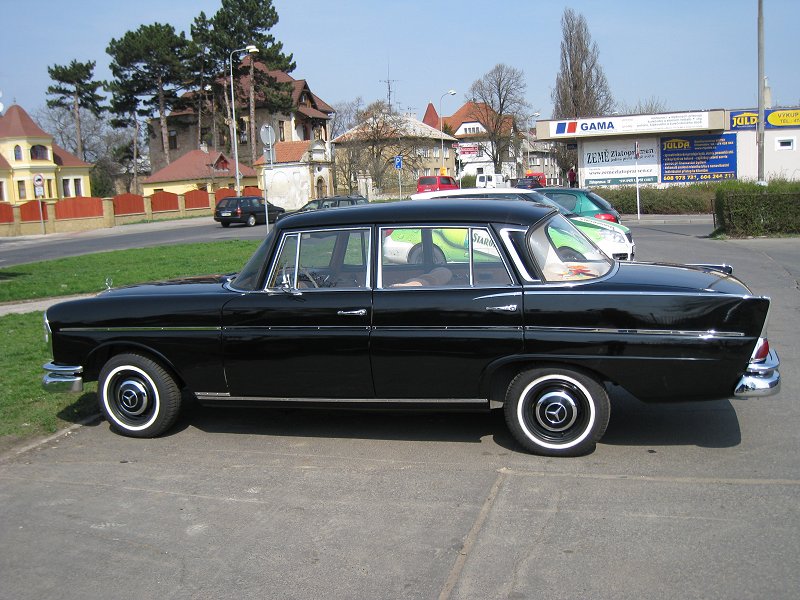
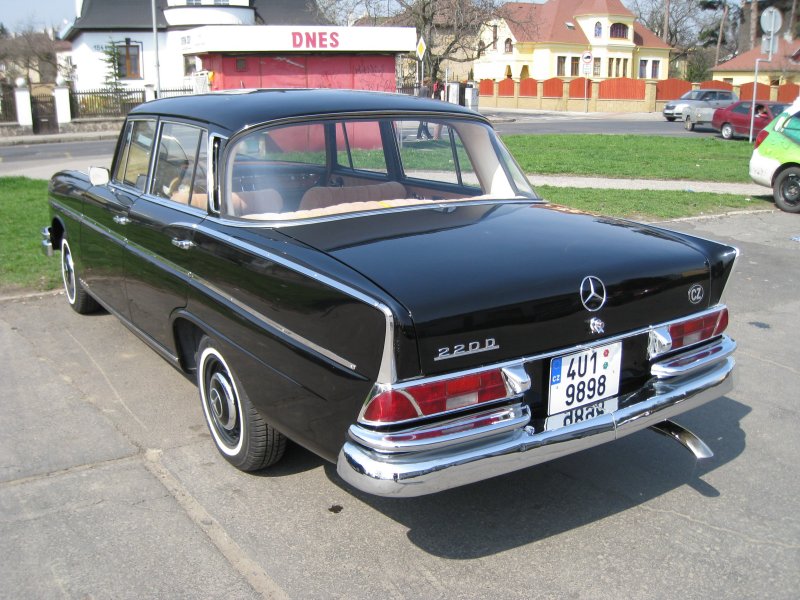
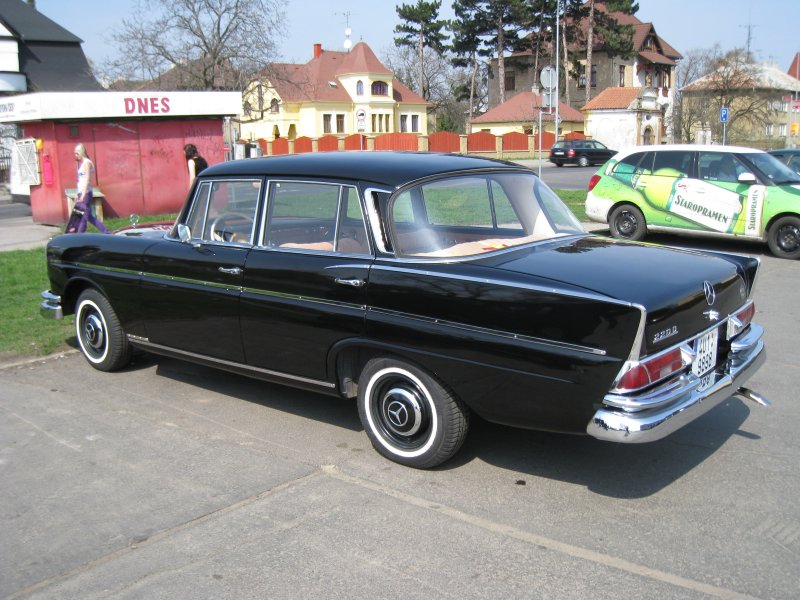
Description
The Mercedes-Benz 220 SEb was a refined evolution of the Ponton-series six-cylinder saloons and represented a significant technical step forward for Mercedes-Benz in the late 1950s. As the fuel-injected version of the 220 Sb, the 220 SEb combined conservative styling and robust construction with advanced engine technology, reinforcing the brand’s reputation for engineering innovation paired with long-term durability.
Power came from a 2.2-litre inline six-cylinder petrol engine equipped with mechanical fuel injection, producing approximately 115 horsepower. This system delivered more precise fuel metering than carburettors, resulting in stronger performance, improved throttle response and better efficiency. Acceleration and cruising ability were noticeably improved over the carburetted models, making the 220 SEb better suited to sustained high-speed driving while retaining a smooth and flexible character. A four-speed manual gearbox was standard, with an automatic transmission available for buyers prioritising comfort.
The car retained the Ponton unitary body construction, which integrated the body and chassis into a single rigid structure. This design improved structural integrity, ride comfort and safety compared with earlier separate-chassis cars. Suspension consisted of independent double wishbones with coil springs at the front and a swing-axle rear suspension with coil springs. This setup prioritised comfort and stability on uneven road surfaces, though it required measured driving at higher speeds due to the characteristics of the swing axle. Hydraulic drum brakes were fitted on all four wheels and were appropriate for the car’s performance and weight.
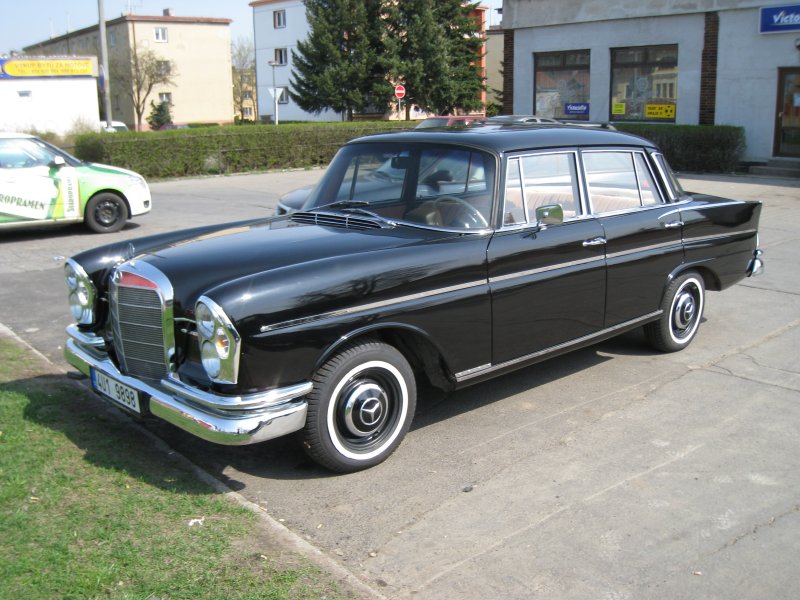
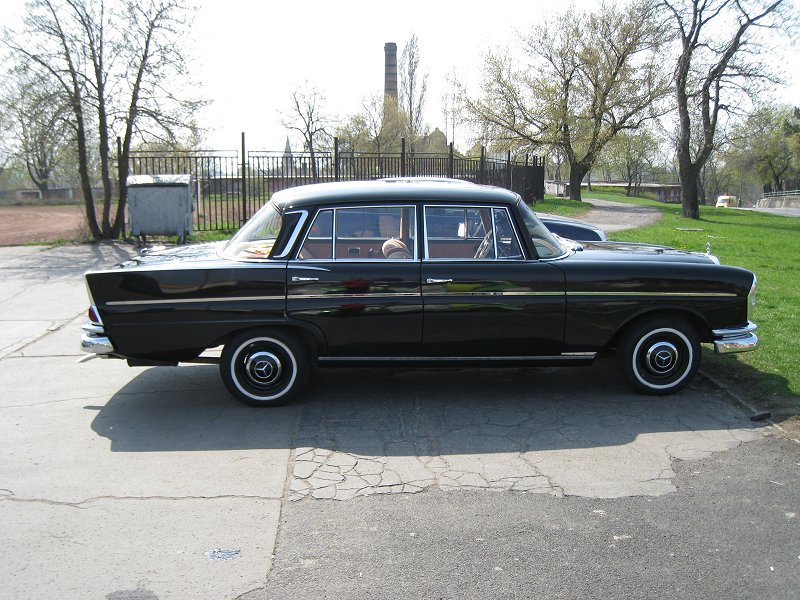
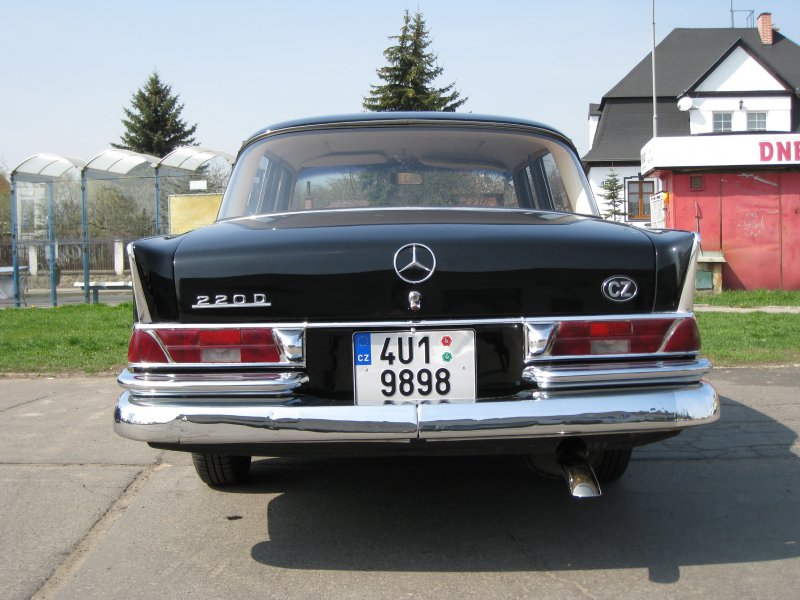
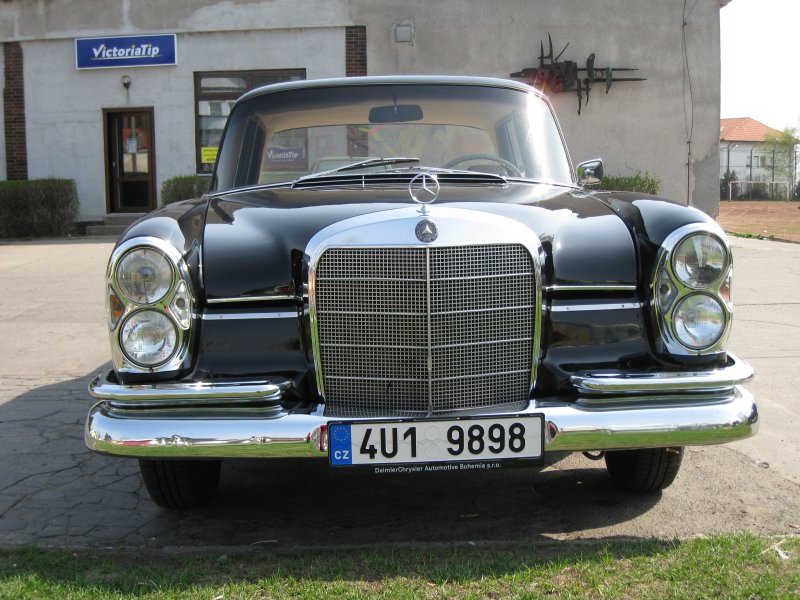
Styling followed the familiar Ponton design language, with smooth, rounded bodywork and fully integrated wings. The appearance was conservative and dignified, projecting solidity and professionalism rather than overt luxury or sportiness. Chrome detailing was restrained, and visual differences from other Ponton models were subtle, reinforcing Mercedes-Benz’s understated approach.
Inside, the cabin reflected Mercedes-Benz’s focus on durability, quality and functional comfort. Seating was upright and supportive, trimmed in high-quality materials chosen for longevity. The dashboard was simple and clearly laid out, with well-positioned controls and easy-to-read instrumentation. While luxury features were limited by modern standards, the overall impression was one of precision engineering and thoughtful design.
On the road, the Mercedes-Benz 220 SEb delivered a calm and composed driving experience with noticeably improved performance compared with earlier Ponton models. The fuel-injected six-cylinder engine provided smooth, confident power, and the car was particularly well suited to long-distance touring. Steering was heavy at low speeds but stable and reassuring once underway, and the suspension absorbed poor road surfaces effectively.
The 220 SEb appealed to professionals, senior business users and official fleets who wanted a prestigious yet restrained executive saloon with modern engineering. It represented the pinnacle of the Ponton series and laid important groundwork for later Mercedes-Benz fuel-injected models.
Today, the Mercedes-Benz 220 SEb is regarded as a technically significant classic. Valued for its early adoption of fuel injection, smooth six-cylinder performance and solid post-war construction, it stands as an important milestone in Mercedes-Benz’s transition toward more advanced engine technology while maintaining its traditional emphasis on durability and conservative design.