Description
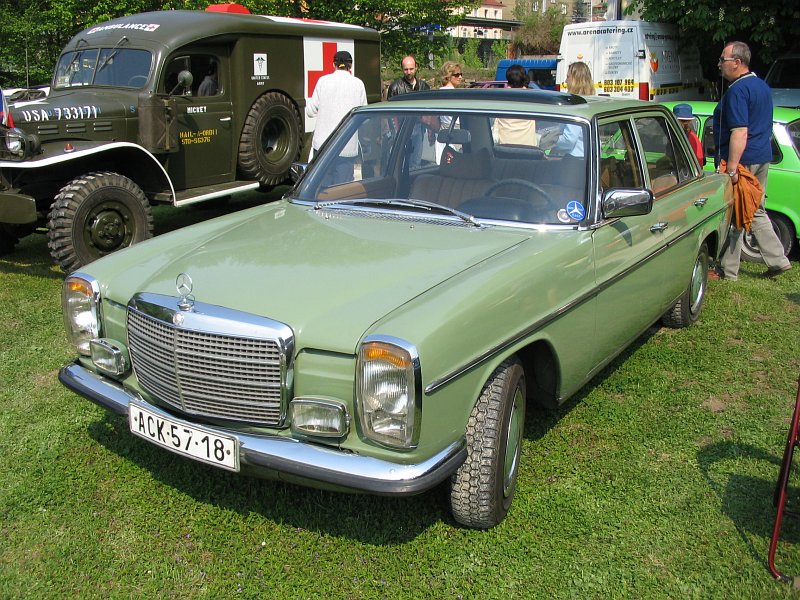
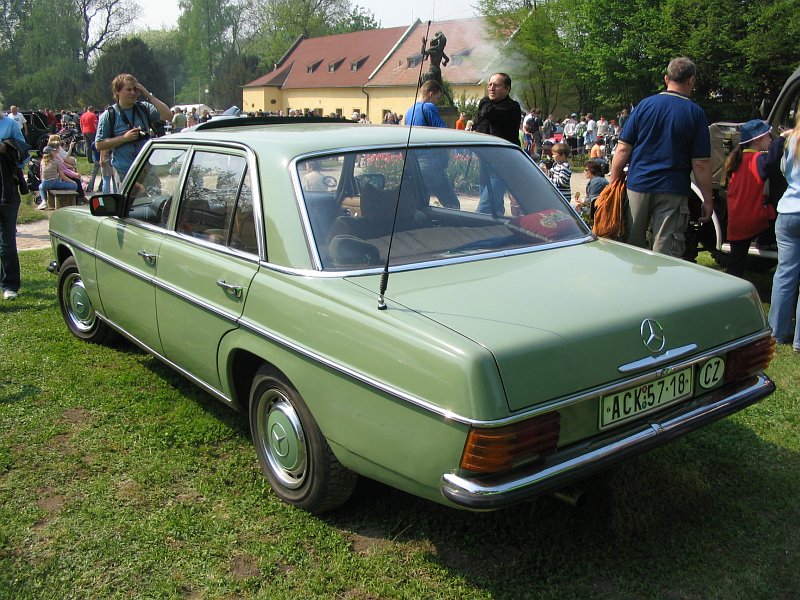
The Mercedes-Benz 230/6 was the six-cylinder version of the W114 series and became one of the most refined and desirable models in Mercedes-Benz’s mid-size lineup during the late 1960s and early 1970s. Introduced in 1968 alongside the four-cylinder W115 models, the 230/6 combined modern styling, improved safety engineering and the smoothness of a six-cylinder engine, making it a popular choice for buyers seeking understated performance and long-distance comfort.
Power came from a 2.3-litre inline six-cylinder petrol engine, producing approximately 120 horsepower. This engine was valued for its smooth, flexible power delivery and quiet operation rather than outright speed. Acceleration was confident for the period, and the car was particularly well suited to motorway and autobahn cruising, where the six-cylinder engine delivered relaxed and effortless performance. A four-speed manual gearbox was standard, while an automatic transmission was widely specified by buyers prioritising comfort.
The W114 chassis represented a significant step forward compared with earlier Mercedes-Benz saloons. It featured a rigid unitary body with carefully engineered crumple zones and a strong passenger safety cell, reflecting Mercedes-Benz’s leadership in passive safety design. Suspension consisted of double wishbones with coil springs at the front and a rear semi-trailing arm arrangement with coil springs, delivering a stable and comfortable ride with predictable handling. Front disc brakes and rear drum brakes provided reliable stopping power consistent with the car’s performance.
Styling of the Mercedes-Benz 230/6 marked a clear departure from the finned designs of the early 1960s. Clean, straight body lines, a large glass area and an upright grille gave the car a modern and dignified appearance. The design emphasised function and clarity rather than decoration, a theme that would define Mercedes-Benz saloons throughout the 1970s. Compared with earlier models, the 230/6 felt more contemporary and internationally styled.
Inside, the 230/6 offered a spacious and exceptionally well-built cabin. Seating was upright and supportive, ideal for long-distance travel, and interior materials were chosen for durability rather than luxury. The dashboard layout was logical and uncluttered, with clear instrumentation and excellent visibility. Build quality was a standout feature, reinforcing Mercedes-Benz’s reputation for solidity and attention to detail.
On the road, the Mercedes-Benz 230/6 delivered a refined and composed driving experience. The six-cylinder engine transformed the character of the car compared with four-cylinder variants, reducing vibration and noise while providing smooth, effortless power. Handling was stable and predictable, favouring comfort and composure over agility. The car rewarded smooth, measured driving and excelled at covering long distances with minimal driver fatigue.
The 230/6 was widely used by professionals, company fleets and private owners who valued reliability, comfort and understated prestige. Its mechanical robustness and ease of maintenance allowed many examples to accumulate very high mileages, particularly in European markets. It became known as a dependable and versatile executive saloon capable of serving as both a daily driver and a long-distance tourer.
Today, the Mercedes-Benz 230/6 is regarded as one of the most balanced and enduring models of the W114 series. Surviving examples are valued for their smooth six-cylinder engines, solid construction and timeless design. As a car that successfully combined modern safety engineering with traditional Mercedes-Benz refinement, the 230/6 stands as a key chapter in the evolution of the brand’s mid-size executive saloons.