Description
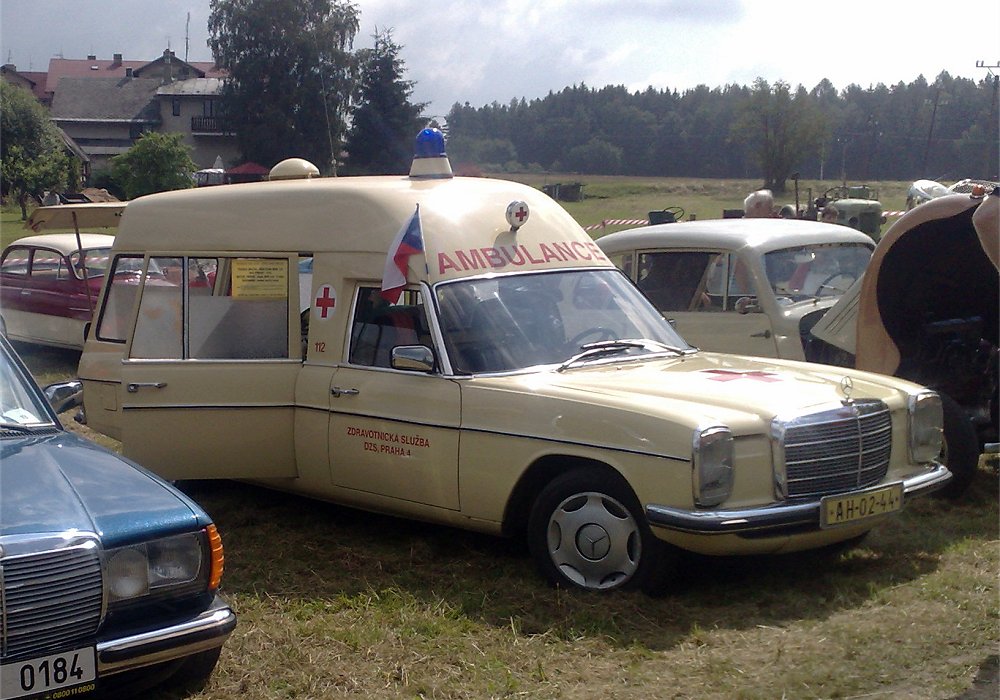
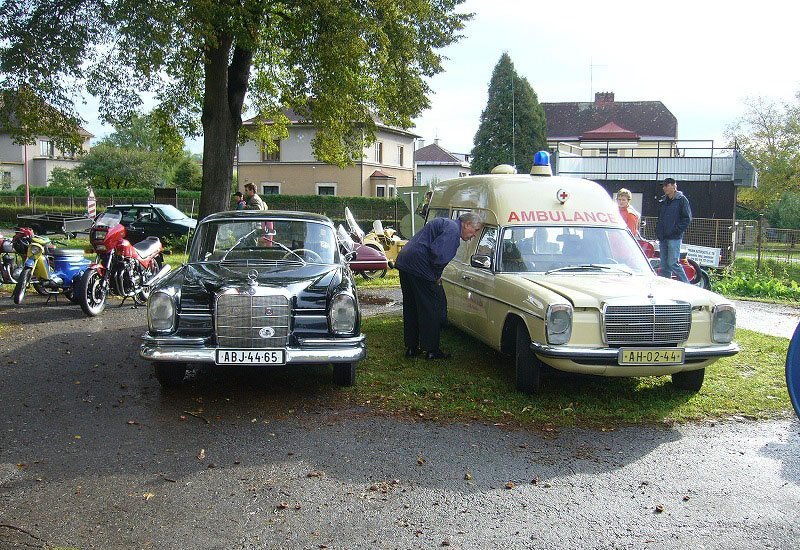
The Mercedes-Benz 230.6 L Binz Ambulance was a specialised long-wheelbase emergency vehicle based on the W114/W115 series and converted by Binz, one of Germany’s most respected coachbuilders. It represented a period when Mercedes-Benz saloons formed the backbone of European emergency services, valued for their reliability, comfort and mechanical durability. The combination of a six-cylinder petrol engine, extended wheelbase and professional coachbuilding made the 230.6 L Binz Ambulance particularly well suited to high-speed patient transport over long distances.
The base vehicle was the Mercedes-Benz 230.6, powered by a 2.3-litre inline six-cylinder petrol engine producing approximately 120 horsepower. This engine was chosen for its smoothness, flexibility and quieter operation compared with diesel alternatives, an important consideration for ambulance work where refinement and steady performance were valued. Acceleration was strong enough for rapid response driving, and sustained motorway speeds could be maintained with ease. Power was delivered to the rear wheels through a manual or automatic transmission, depending on specification and market.
The “L” designation referred to the long-wheelbase chassis, which provided additional interior length for medical equipment and patient care. Binz extensively re-engineered the body behind the B-pillar, extending the roofline and rear section to create a tall, spacious medical compartment. Unlike simple conversions, Binz ambulances were professionally engineered, with reinforced body structures and careful attention paid to weight distribution and rigidity.
Suspension was uprated to cope with the additional mass of medical equipment and the conversion itself. While retaining the W114’s double wishbone front suspension and rear semi-trailing arm layout, springs and dampers were modified to maintain stability and ride quality under load. Braking systems were also specified to meet the demands of emergency use, ensuring reliable stopping performance even when fully equipped and driven at speed.
Externally, the Mercedes-Benz 230.6 L Binz Ambulance was instantly recognisable. The raised roof, extended rear bodywork and large rear doors distinguished it from standard saloons. High-visibility paint schemes, emergency lighting and sirens varied by region and service provider, but the underlying design remained sober and functional. Despite its specialised role, the vehicle retained the clean, restrained styling typical of Mercedes-Benz in the early 1970s.
Inside, the Binz conversion transformed the car into a fully equipped medical vehicle. The rear compartment was designed to accommodate a stretcher, medical cabinets, oxygen equipment and seating for medical personnel. Layouts varied depending on customer requirements, but emphasis was placed on accessibility, ease of cleaning and efficient use of space. The longer wheelbase allowed staff to work more effectively around the patient compared with standard-length conversions.
In service, the Mercedes-Benz 230.6 L Binz Ambulance was valued for its reliability and road manners. The six-cylinder engine provided smoother and quicker progress than many contemporary diesel ambulances, particularly on motorways and rural roads. Ride comfort was also superior to many commercial-vehicle-based ambulances of the era, reducing fatigue for both patient and crew during long journeys.
These vehicles were widely used by hospitals, fire brigades and emergency services across Germany and other European countries. As ambulance technology evolved and larger van-based platforms became standard, saloon-derived ambulances like the 230.6 L Binz gradually disappeared from frontline service. Many were worked hard and later scrapped, making surviving examples rare today.
Today, the Mercedes-Benz 230.6 L Binz Ambulance is regarded as a fascinating and historically important specialist vehicle. It represents a transitional era in emergency medical transport, when high-quality passenger cars were adapted for professional rescue use. Surviving examples are highly prized by collectors and museums for their rarity, craftsmanship and insight into how Mercedes-Benz engineering and German coachbuilding supported emergency services during the late 1960s and early 1970s.