Description
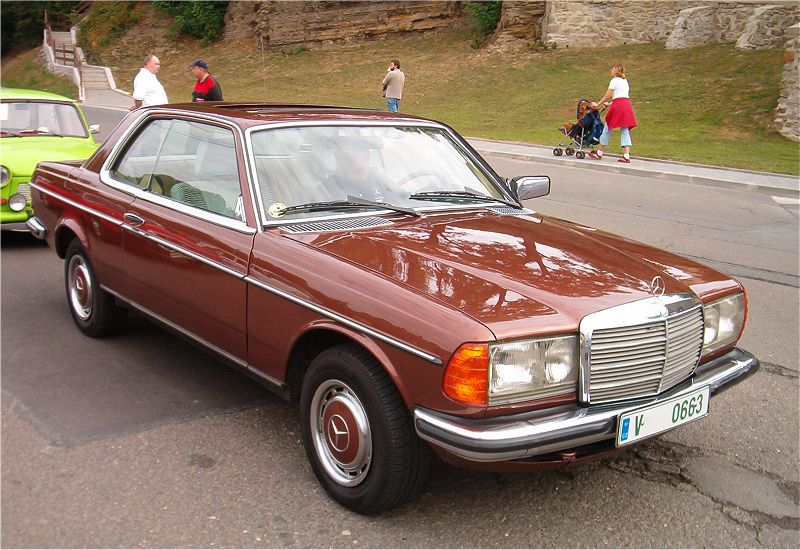
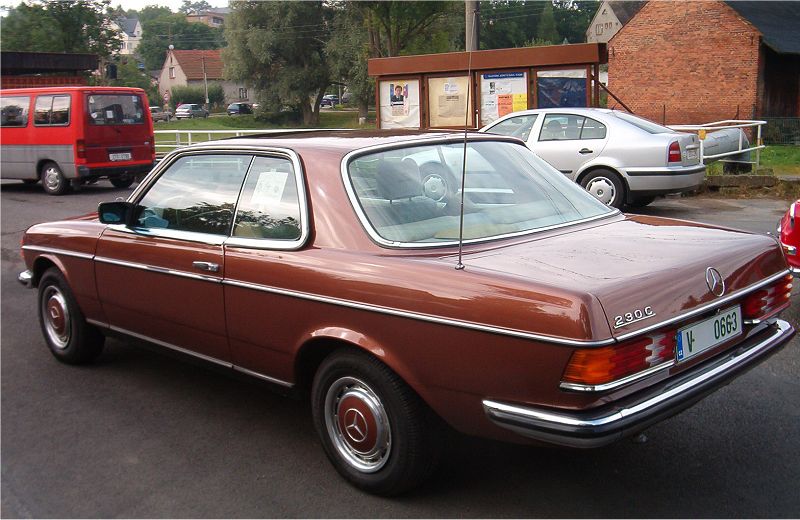
The Mercedes-Benz 230 C was the four-cylinder coupé version of the W114/W115 series and represented a more accessible entry into Mercedes-Benz’s elegant pillarless two-door range during the early 1970s. Positioned below the six-cylinder CE models, the 230 C combined restrained styling, solid engineering and everyday usability, appealing to buyers who wanted the visual sophistication of a Mercedes-Benz coupé without the cost or complexity of a larger engine.
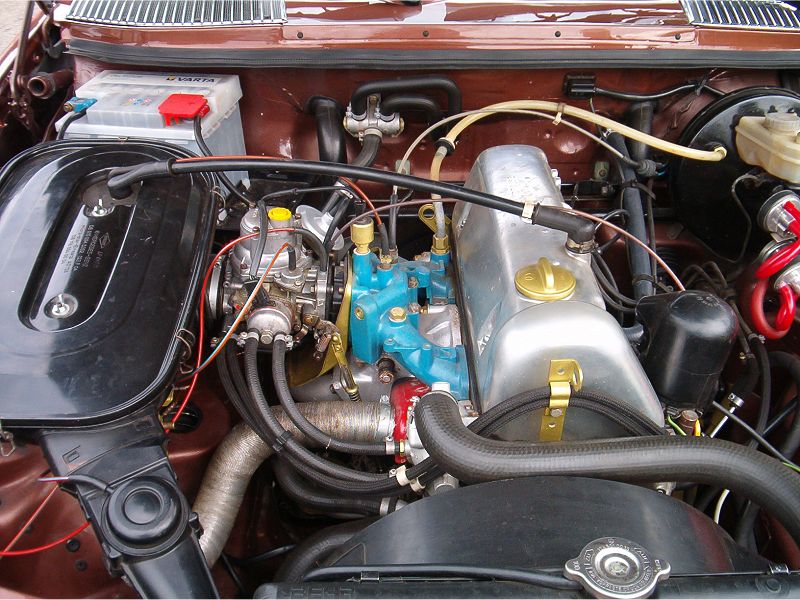
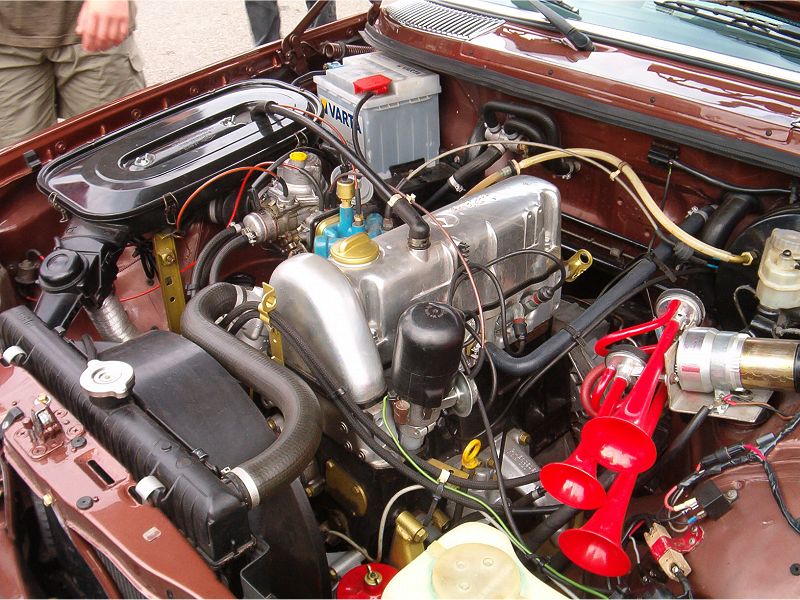
Power came from a 2.3-litre inline four-cylinder petrol engine from the M115 family, producing approximately 95 horsepower. This engine was tuned for reliability and smooth running rather than outright performance. Acceleration was modest, but the engine delivered adequate torque for relaxed everyday driving and was capable of sustained motorway cruising when driven smoothly. A four-speed manual gearbox was standard, with an automatic transmission available for buyers prioritising comfort and ease of use.
The chassis was shared with the W114/W115 saloons but featured a shorter wheelbase and unique coupé bodywork. Suspension consisted of double wishbones with coil springs at the front and a rear semi-trailing arm layout with coil springs, providing predictable handling and a comfortable ride. Compared with earlier Mercedes-Benz designs, this suspension arrangement offered improved stability and safety, particularly at higher speeds. Braking was handled by front disc brakes and rear drums, appropriate for the car’s performance level.
Styling was one of the defining features of the 230 C. The pillarless coupé body featured frameless side windows and a clean roofline, creating an open and elegant appearance when the windows were lowered. Straight body lines, an upright grille and restrained chrome detailing gave the car a dignified and timeless look. While less powerful than the six-cylinder coupés, the 230 C shared the same elegant proportions and understated presence.
Inside, the cabin was well constructed and focused on durability and comfort. Seating was upright and supportive, suitable for long-distance driving, and interior materials were chosen for longevity rather than luxury. The dashboard layout was simple and logical, with clear instrumentation and excellent visibility. Rear seating was more limited than in the saloon, but still usable for occasional passengers, reinforcing the car’s role as a personal luxury coupé rather than a family vehicle.
On the road, the Mercedes-Benz 230 C delivered a calm and composed driving experience. The four-cylinder engine encouraged smooth, unhurried driving, while the chassis provided stability and comfort over a wide range of road conditions. Steering was accurate though relatively heavy at low speeds, and the car felt most at home on open roads rather than in aggressive driving scenarios.
The 230 C appealed to buyers who valued style, quality and understated prestige over outright performance. It was often chosen by professionals and private owners who wanted a refined personal car with classic Mercedes-Benz build quality. Compared with the six-cylinder coupés, it offered lower running costs while retaining the same fundamental design and engineering values.
Today, the Mercedes-Benz 230 C is appreciated as a balanced and elegant classic from the W114/W115 era. While it lacks the performance of the CE models, it is valued for its simplicity, durability and timeless coupé styling. As an example of Mercedes-Benz’s conservative yet elegant approach to design and engineering, the 230 C remains a respected and increasingly rare representative of the brand’s early 1970s coupé lineup.