
Description
The Mercedes-Benz 230 C Automatic was the comfort-focused version of the four-cylinder coupé in the W114/W115 range, combining the elegant pillarless body with the ease of an automatic transmission. Introduced in the early 1970s, it was aimed at buyers who valued refinement, style and relaxed driving rather than outright performance, offering a more accessible alternative to the six-cylinder CE models while retaining the same high standards of build quality.
Power came from the 2.3-litre inline four-cylinder petrol engine from the M115 family, producing around 95 horsepower. This engine was known for its robustness and smooth, predictable power delivery rather than speed. When paired with the automatic transmission, typically a three-speed unit, acceleration was unhurried but progress was smooth and consistent. The combination suited the coupé’s grand touring character, making it easy to drive in traffic and comfortable on longer journeys.
The chassis was shared with the W114/W115 saloons but adapted for the shorter-wheelbase coupé body. Suspension consisted of double wishbones with coil springs at the front and a rear semi-trailing arm layout with coil springs, providing stable handling and good ride comfort. This suspension design represented a significant safety and stability improvement over earlier Mercedes-Benz swing-axle layouts. Braking was handled by front disc brakes and rear drums, appropriate to the car’s modest performance.
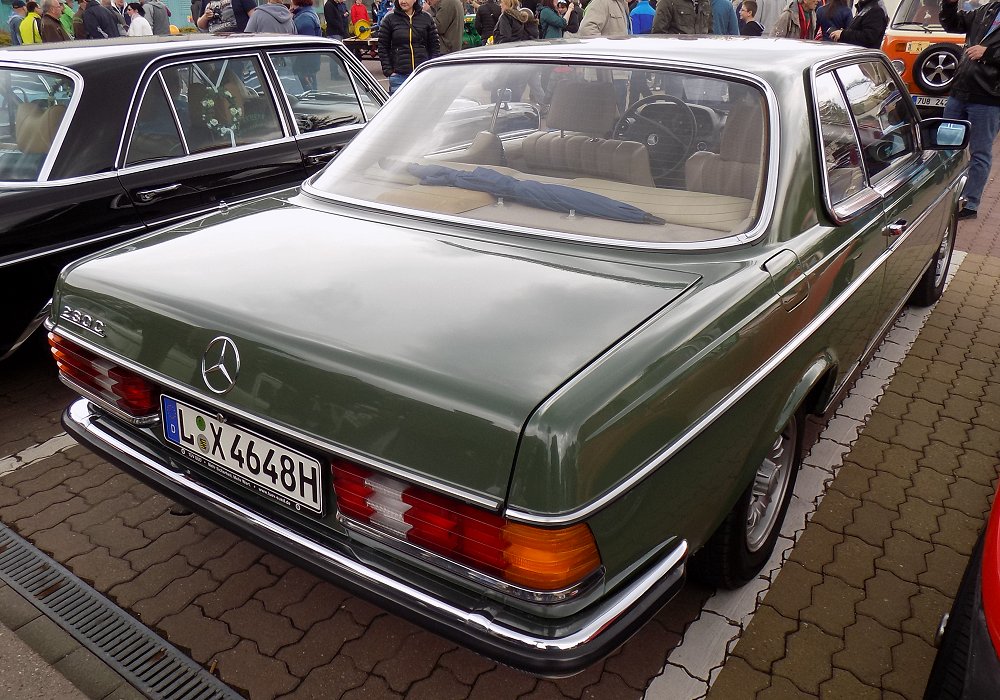
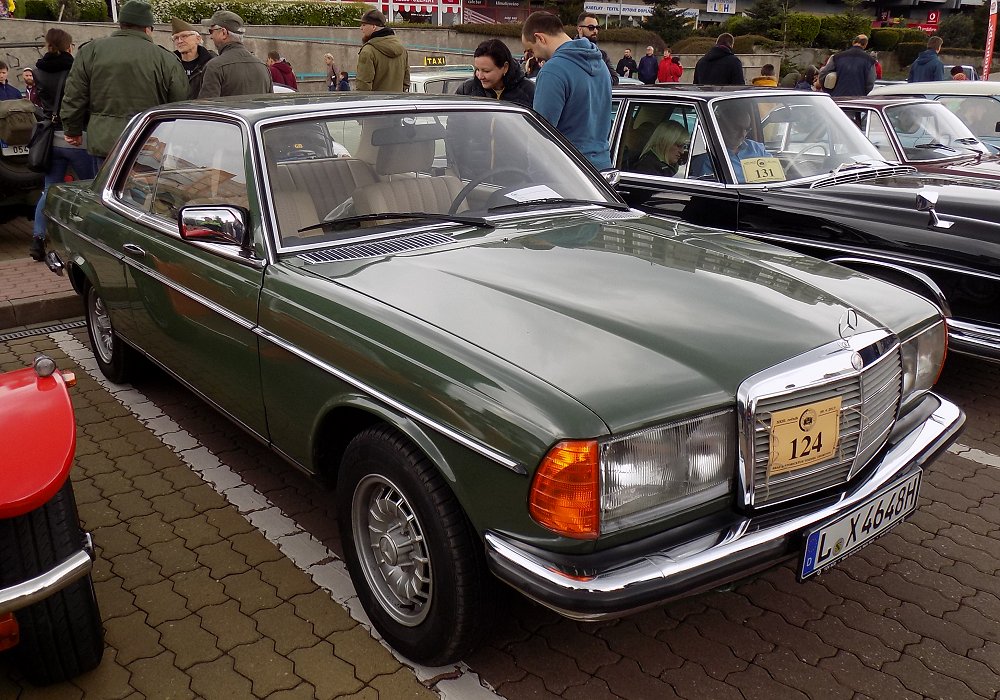
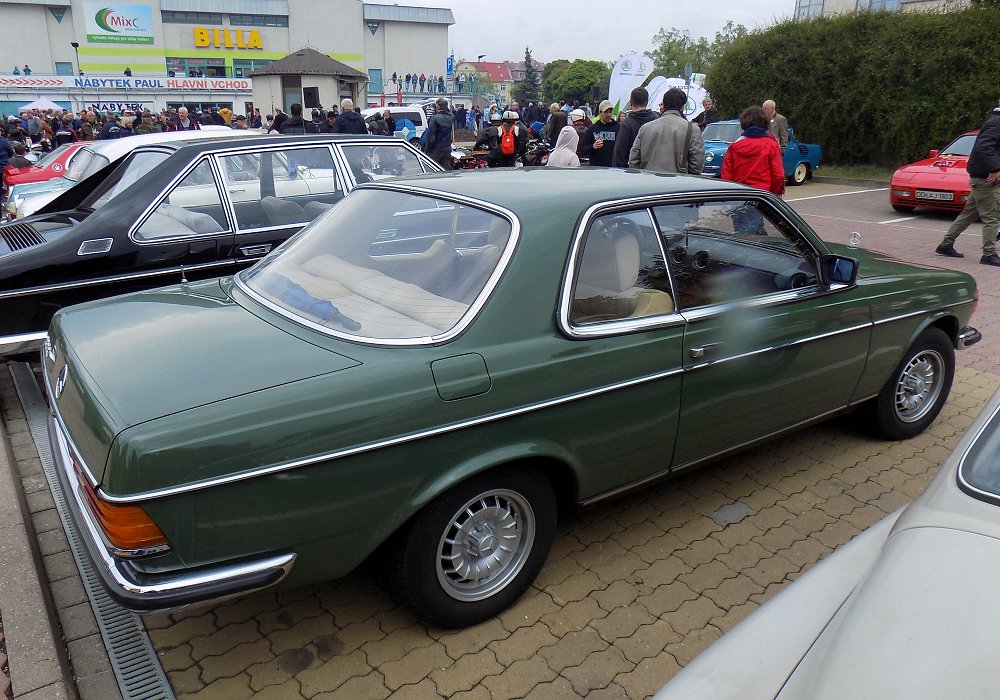
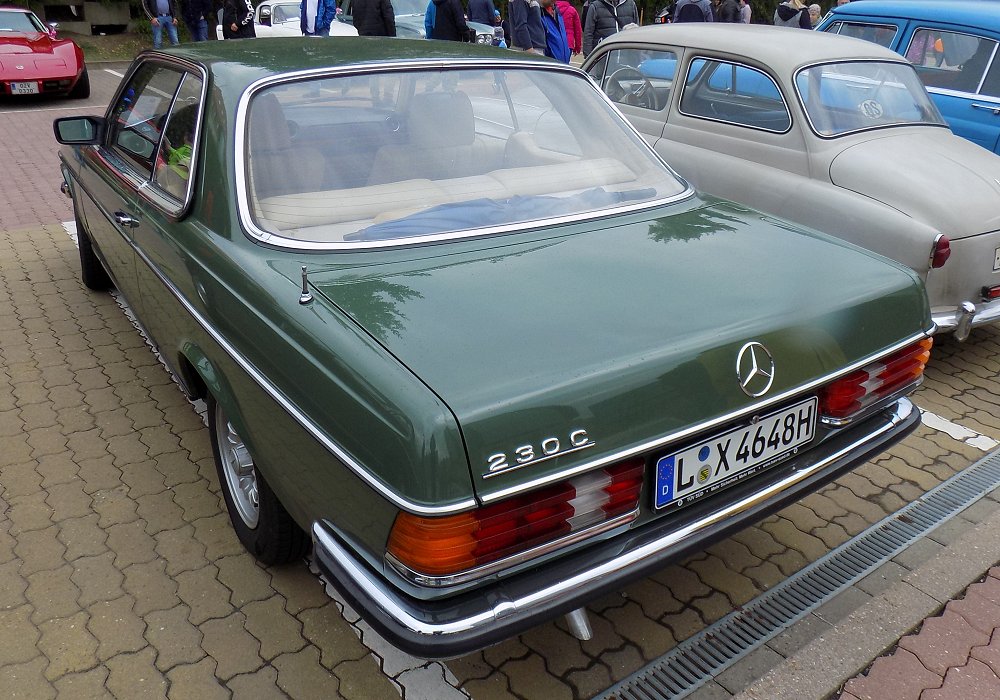
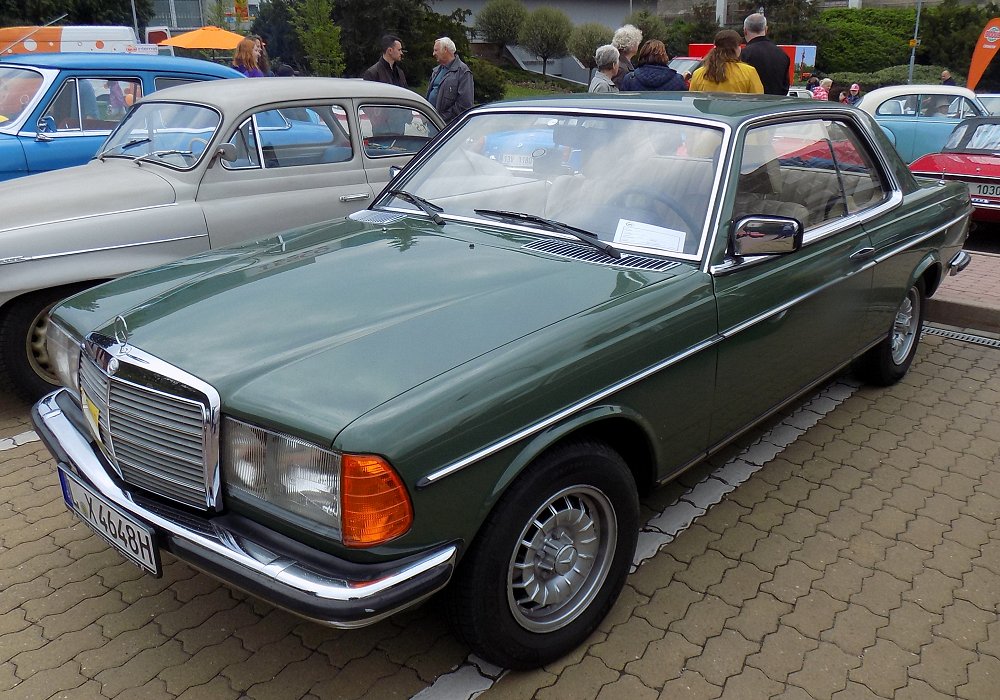
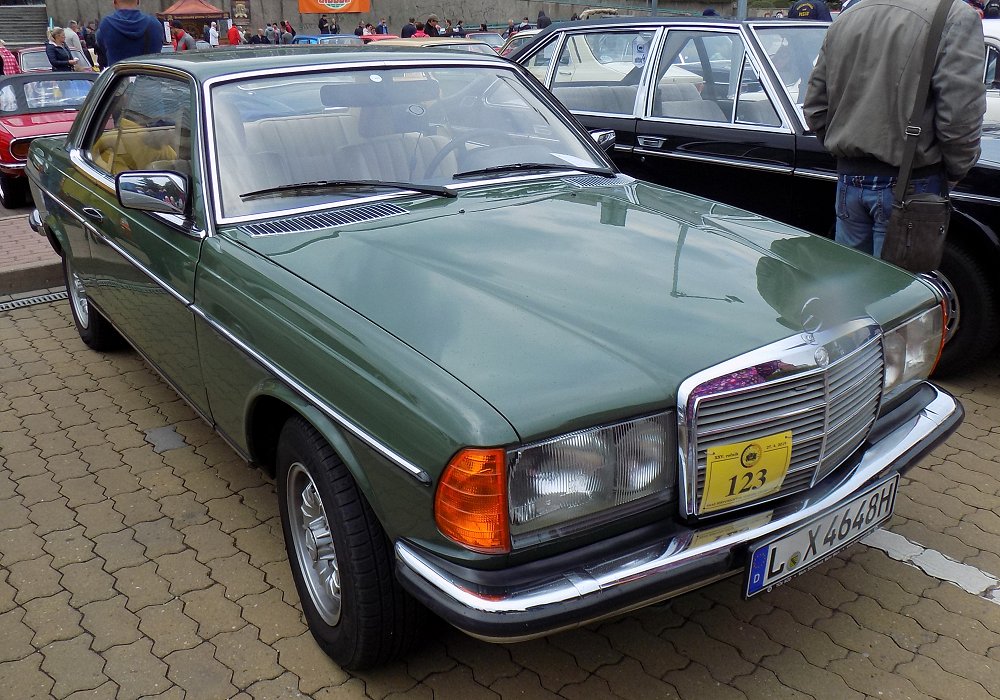
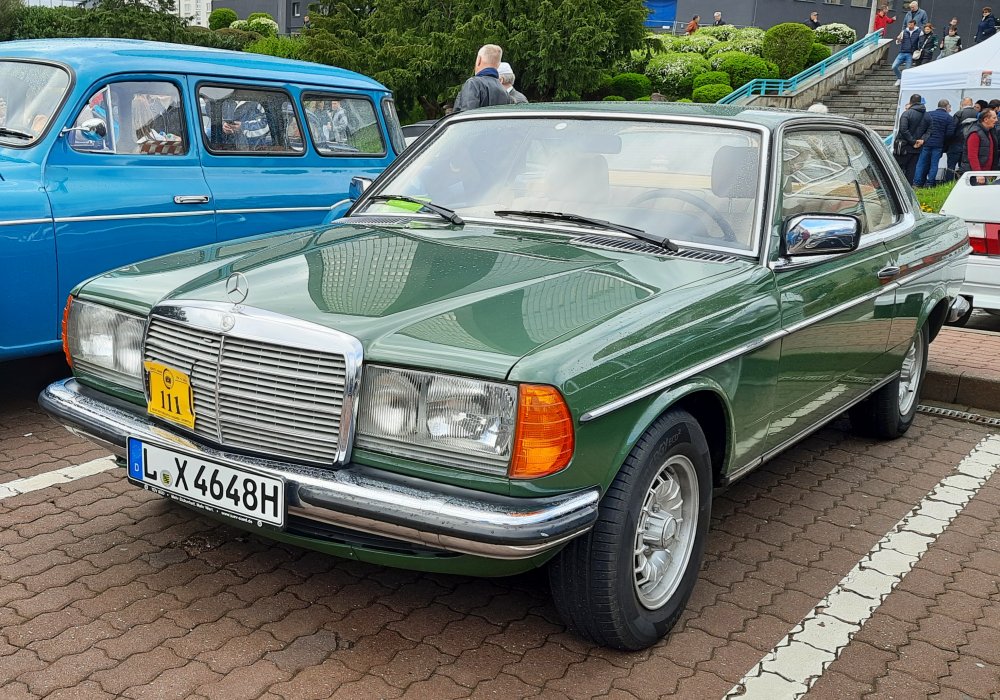
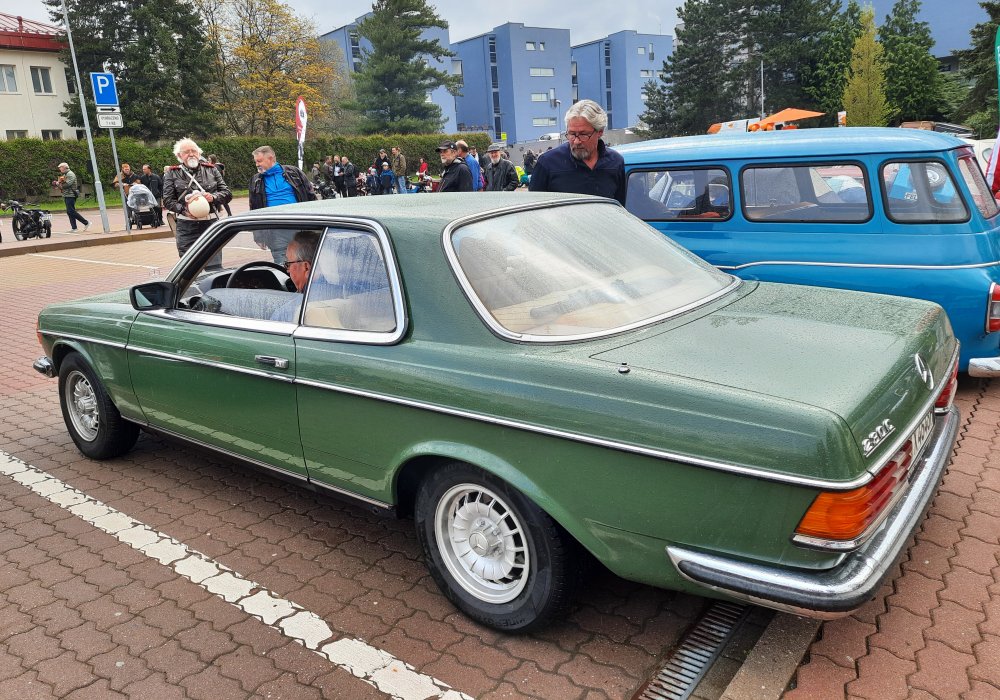
Styling was a key attraction of the 230 C Automatic. The pillarless coupé design, with frameless side windows and a clean roofline, gave the car a light and elegant appearance, particularly when the windows were lowered. Straight body lines, restrained chrome detailing and the upright grille created a dignified, timeless look that closely matched the more powerful CE variants. Externally, there was little to distinguish the automatic version, reinforcing the understated nature of the model.
Inside, the cabin was solidly built and focused on long-term comfort. Seats were upright and supportive, designed for relaxed cruising rather than sporty driving. Interior materials were chosen for durability, with high-quality fabrics and robust switchgear typical of Mercedes-Benz in this era. The dashboard layout was simple and logical, with clear instrumentation and excellent visibility. The automatic transmission further enhanced the calm, unhurried driving environment.
On the road, the Mercedes-Benz 230 C Automatic delivered a composed and refined experience. The four-cylinder engine encouraged smooth, steady driving, while the automatic gearbox reduced driver effort, particularly in urban conditions. Handling was predictable and secure, favouring comfort and stability over agility. The car felt most at home on open roads and long journeys, where its quiet manners and solid construction were most apparent.
The 230 C Automatic appealed to buyers who wanted the elegance of a Mercedes-Benz coupé without the higher running costs of a six-cylinder model. It was often chosen by professionals and private owners seeking a discreet personal car with classic styling and everyday usability. While never produced in large numbers, it filled an important niche within the coupé range.
Today, the Mercedes-Benz 230 C Automatic is appreciated as a refined and elegant classic from the early 1970s. It is valued for its pillarless design, robust mechanicals and relaxed driving character. As a coupé that prioritised comfort, quality and understated style, it stands as a clear example of Mercedes-Benz’s traditional approach to engineering and design during this period.