Description
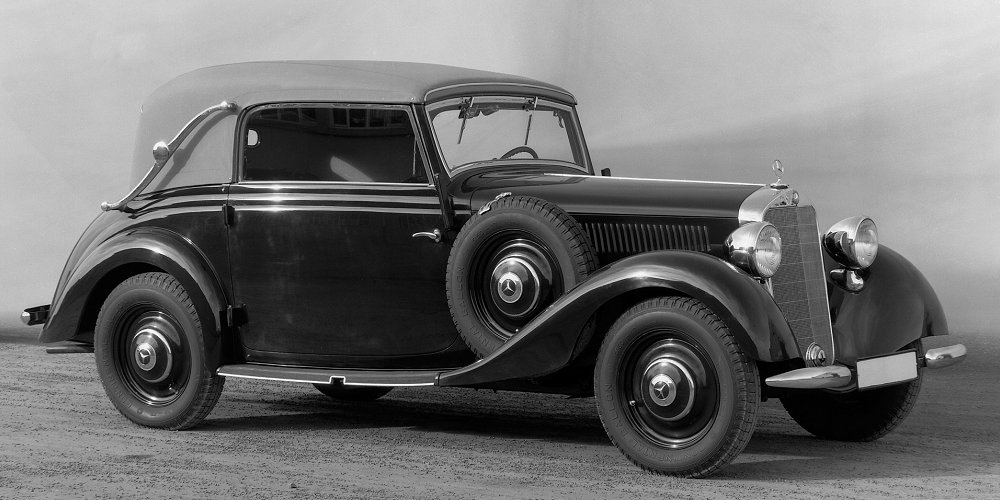
The Mercedes-Benz 230 N Cabriolet was one of the most elegant open-top variants of the early Mercedes six-cylinder range, introduced in 1937 as part of the refined W143 series. The designation “N” denoted the Normal wheelbase version, distinguishing it from the longer “Lang” cars. The Cabriolet variant combined the smooth, flexible performance of the 2.3-litre Mercedes engine with a beautifully proportioned two- or four-seat open body, depending on configuration, crafted with the precision and luxury for which the Sindelfingen coachworks were renowned. It offered a level of style and comfort that placed it between Mercedes’ mid-size touring cars and its more expensive luxury cabriolets.
Power came from the 2.3-litre inline-six engine that defined the W143 series. Producing around 55 horsepower, the engine delivered a satisfying balance of refinement, torque and smoothness. It offered far stronger performance than the earlier 200-series cars, allowing effortless cruising and confident acceleration for overtaking and hill climbing. The unit was exceptionally well balanced and quiet, with a reputation for reliability and durability. Coupled to a four-speed manual gearbox with synchromesh on the upper gears, the drivetrain made the 230 N Cabriolet a highly civilised touring machine by late-1930s standards.
The car used the shorter of the two W143 wheelbases, giving it more compact proportions and a more agile feel than the long-wheelbase models. The chassis was a sturdy ladder-frame construction, designed to handle both the more powerful engine and the structural demands of the cabriolet body. Suspension used independent front wheels with transverse leaf springs, while the rear employed a swing-axle layout with coil springs. This arrangement provided a supple ride and secure handling, with the shorter wheelbase adding to the car’s responsiveness on winding roads. Mechanical drum brakes on all four wheels delivered reliable stopping performance and were more than adequate for the car’s weight and speed.
The Sindelfingen-built cabriolet body is what truly defined the 230 N Cabriolet. Depending on customer specification, it could be configured as a two-seat Cabriolet A or a more spacious four-seat Cabriolet B. Both versions shared the same elegant proportions: a long bonnet, graceful front wings, a compact passenger cabin and a gently sloping rear deck where the folded roof rested neatly. The fabric top, made from high-quality materials, provided excellent weather protection when raised, and folded compactly to maintain a clean, flowing silhouette when lowered. Chrome detailing, carefully shaped door frames and flowing body lines completed the look of a refined, well-balanced luxury touring car.
Inside, the 230 N Cabriolet offered a comfortable and beautifully finished environment. Upholstery ranged from sturdy cloth to the finest leathers, depending on the buyer’s preference. The dashboard featured a combination of polished wood and painted metal surfaces, housing clear, elegantly designed instruments. The cabin felt airy and welcoming with the roof down, while still providing excellent insulation and warmth when closed. In the four-seat configuration, rear passengers enjoyed generous space for a car of this size, making the Cabriolet B particularly attractive for touring families or couples travelling with passengers.
On the road, the Mercedes-Benz 230 N Cabriolet delivered the refined driving experience expected from a late-1930s Mercedes. The six-cylinder engine provided smooth, confident power, and the suspension absorbed rough surfaces with ease. The shorter wheelbase made the car more agile and responsive than its larger, long-wheelbase siblings, giving it a lively feel without compromising comfort. The open-top design added to its enjoyment, transforming everyday drives into relaxed touring experiences. Whether cruising through cities or driving along country roads, the 230 N Cabriolet balanced elegance, comfort and performance in a way that few mid-size cars of its era could match.
The 230 N Cabriolet occupied an important niche in the Mercedes range. It offered much of the refinement of the company’s larger luxury cabriolets but at a more accessible price and in a more manageable size. Its combination of striking design, technical sophistication and practical usability made it popular among private owners who wanted a stylish touring car without stepping into the heavyweight luxury segment.
Today, the Mercedes-Benz 230 N Cabriolet is highly prized by collectors for its elegance, rarity and superb craftsmanship. Surviving examples highlight the beauty of Sindelfingen coachwork and the excellence of Mercedes’ six-cylinder engineering in the late 1930s. Well-preserved cars offer a deeply satisfying pre-war driving experience, combining smooth power, graceful styling and the timeless appeal of open-top motoring.